

What's Happening?
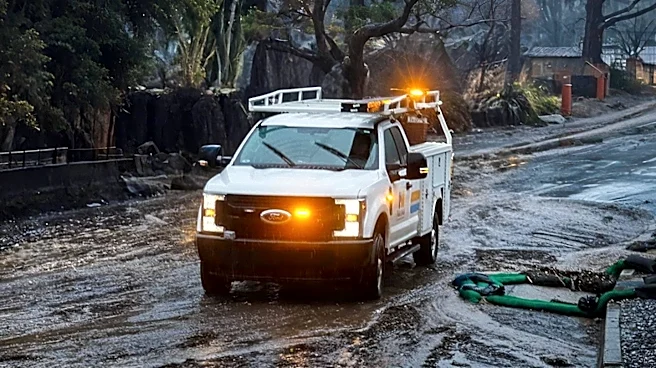
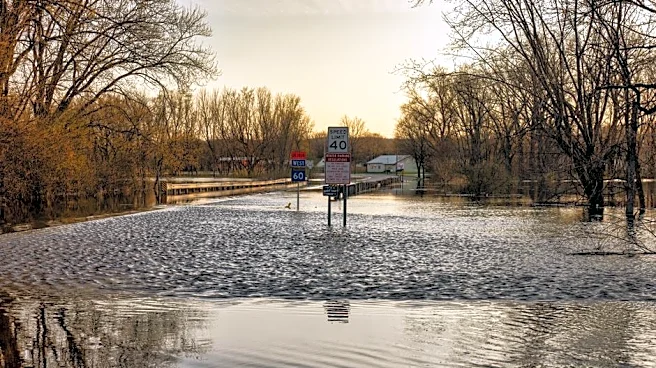
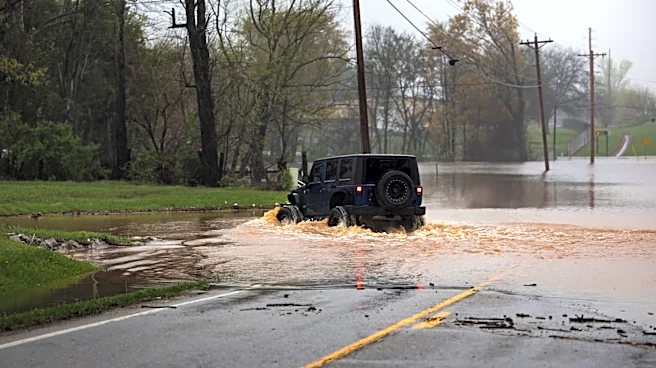
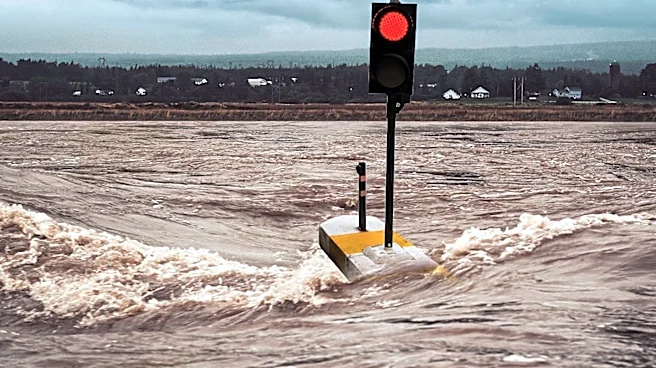
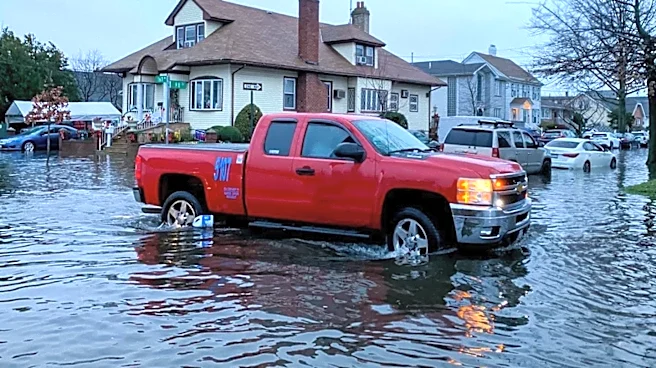
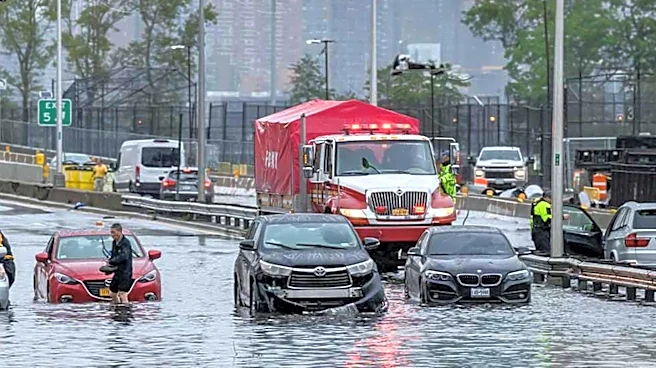
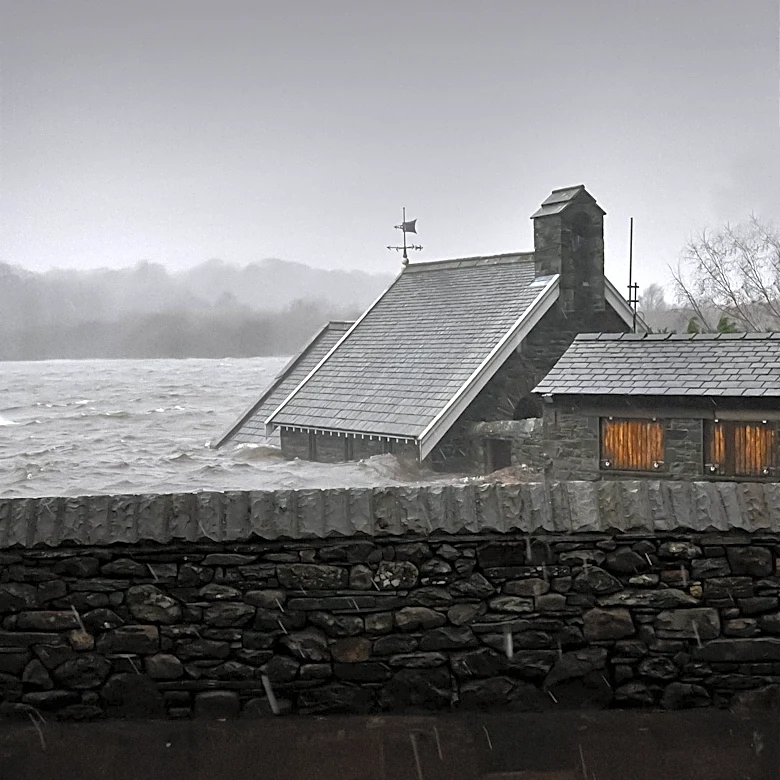
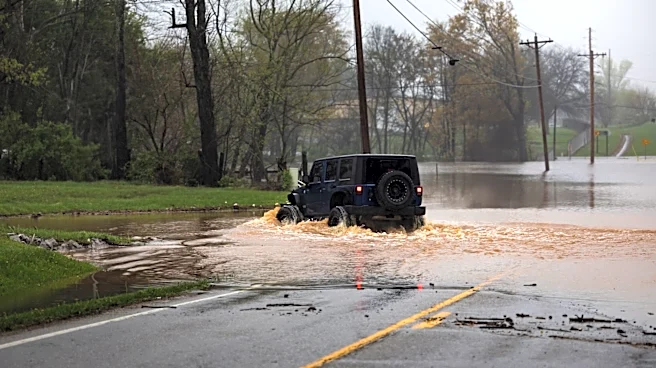
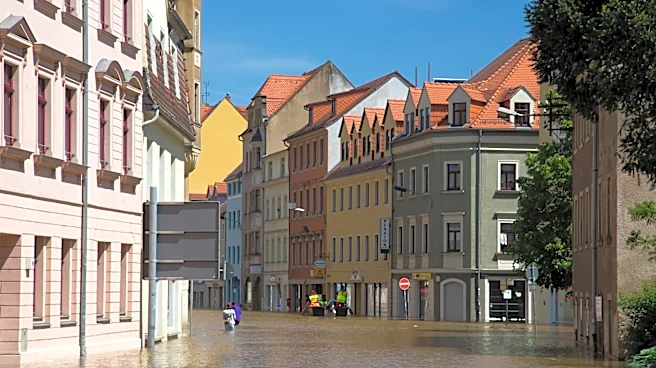
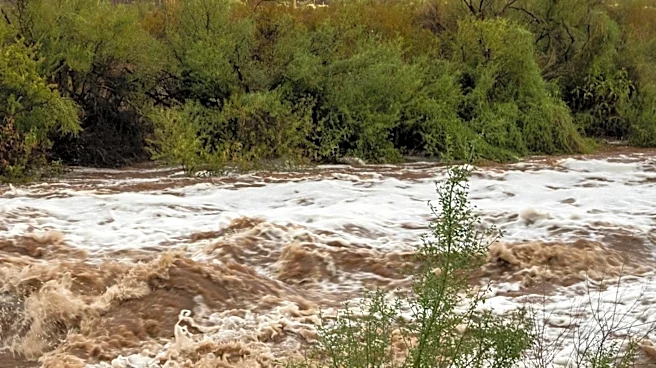
West Virginia Governor Patrick Morrisey has declared a state of emergency for all 55 counties following torrential rains that caused flash floods across the state. The severe weather led to significant damage, with homes and businesses inundated, and at least
two people reported missing. The National Guard has been deployed to assist with search and rescue operations, and efforts are underway to assess the full extent of the damage. The governor emphasized the need for community support and cooperation in the recovery process.
Why It's Important?
The declaration of a state of emergency underscores the severity of the situation in West Virginia and the urgent need for coordinated response efforts. The floods have caused widespread disruption, highlighting the vulnerability of infrastructure and the importance of disaster preparedness. The economic impact on affected communities will be significant, with potential long-term consequences for local businesses and residents. The situation also raises questions about the role of climate change in increasing the frequency and intensity of extreme weather events.
What's Next?
Recovery and rebuilding efforts will be a priority for West Virginia in the coming weeks. This will involve assessing the damage, providing support to affected communities, and implementing measures to prevent future disasters. The state may also consider investing in infrastructure improvements and disaster mitigation strategies to enhance resilience against similar events. Additionally, there may be discussions on policy changes related to climate adaptation and emergency preparedness to better protect residents in the future.