






What's Happening?
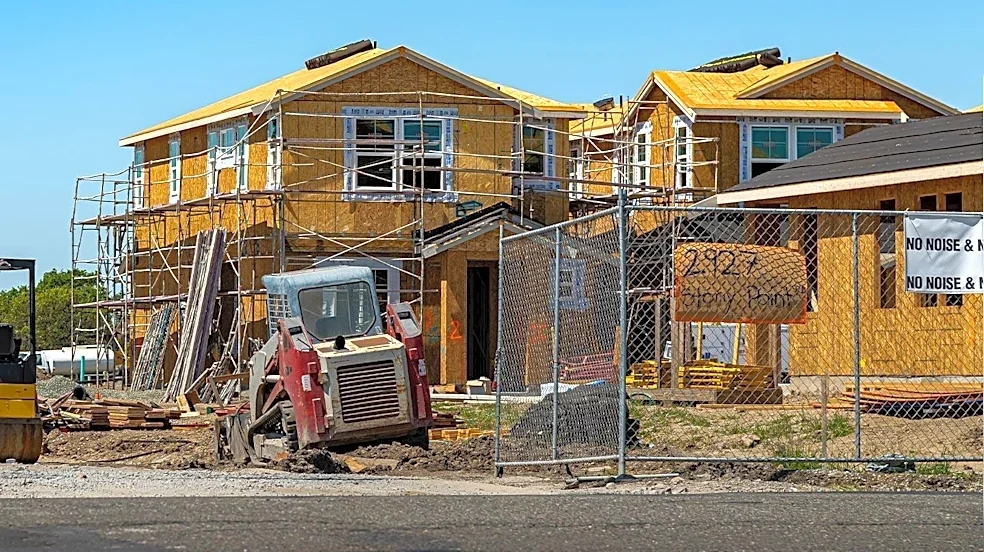
Habitat for Humanity of Lincoln County and Samaritan Health Services are collaborating on a new affordable housing project near Lincoln City hospital. This initiative aims to construct nine homes, with priority given to Samaritan Health Services employees
and survivors of the Otis wildfire. The project is designed to address the critical need for workforce housing, particularly for the hospital system's lowest-paid staff, such as certified nurse assistants, phlebotomists, and janitorial personnel. The homes, ranging from two to four bedrooms, are projected to cost between $155,000 and $195,000. Habitat for Humanity will utilize a land trust model, where homeowners own the house while Habitat retains land ownership to keep prices affordable. If a home is resold, new buyers must still meet affordable housing criteria. The 1.13-acre property at 2655 N.E Lake Drive, previously owned by the North Lincoln Health District, was donated by Samaritan Health Services, valued at over $770,000. The project has secured significant funding, including a $1.87 million grant from the Oregon Housing Stability Council, $50,000 from Lincoln County, $73,600 from Lincoln City, and $17,800 from Lincoln City’s brownfields assessment program. Habitat for Humanity will contribute $5,000 in cash and an estimated $1.5 million from home sales, bringing the total project value to $4.3 million.
Why It's Important?
This partnership is crucial for addressing the severe shortage of affordable housing in Lincoln County, particularly along the central Oregon coast, where employers often struggle to retain staff due to limited housing options. By prioritizing Samaritan Health Services employees, the project directly supports essential workers who are vital to the community's healthcare infrastructure but often face economic barriers to homeownership. The land trust model employed by Habitat for Humanity ensures long-term affordability, preventing speculative price increases and maintaining housing accessibility for future low-to-moderate-income residents. The inclusion of Otis wildfire survivors also highlights a commitment to community recovery and resilience following natural disasters. The substantial financial backing from state and local grants, alongside Samaritan's land donation, demonstrates a multi-sector approach to tackling complex social issues. This model could serve as a blueprint for other communities facing similar housing challenges, showcasing how collaborative efforts between non-profits, healthcare providers, and government entities can create sustainable solutions for workforce housing and community development.
What's Next?
Groundbreaking for the first three homes is anticipated in April, with Adair Homes undertaking the construction in three phases. Habitat for Humanity is actively hosting information sessions, both online and in-person, in Lincoln City and Newport. These sessions are designed to inform prospective applicants about the homes, eligibility requirements, and the application process. To qualify, applicants must reside or work in Lincoln County, earn no more than 80 percent of the area’s median income based on household size, and demonstrate the financial capacity to secure an affordable mortgage. The project will continue to seek out qualified individuals, with a specific focus on Samaritan employees and Otis wildfire survivors. The success of these initial phases will likely influence future affordable housing initiatives in the region, potentially encouraging more organizations to partner with Habitat for Humanity for similar projects, as expressed by Habitat for Humanity of Lincoln County executive director Lucinda Taylor.
Beyond the Headlines
This project delves into the deeper societal implications of housing insecurity and its impact on essential services. The struggle of healthcare workers to find affordable housing in the communities they serve is a widespread issue, affecting not only individual well-being but also the stability and quality of local healthcare systems. By providing homeownership opportunities, the initiative aims to foster greater community stability, reduce employee turnover, and strengthen the local economy. The land trust model, while innovative, also raises questions about long-term property rights and the balance between individual ownership and community control over land resources. Furthermore, the project's focus on wildfire survivors underscores the growing need for resilient housing solutions in areas prone to natural disasters, integrating disaster recovery with sustainable community planning. This collaborative effort represents a significant step towards addressing systemic inequalities in housing access and promoting a more equitable distribution of resources within the community.