




What's Happening?
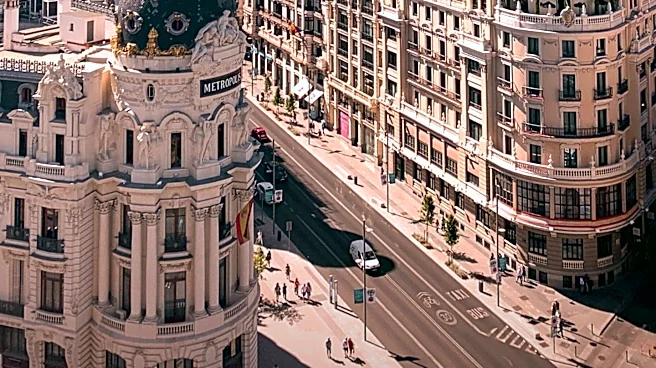
A study conducted as part of the OLADAPT project, involving the Polytechnic University of Madrid, the University of Extremadura, and the UNESCO Chair in Sustainable Development and Environmental Education at the EHU, has found significant variations in vulnerability
to heatwaves within Spanish cities. The research, published in the journal Cities, focused on Bilbao, Madrid, and Cáceres, all located in different climate zones. It highlights that the risk posed by heatwaves is multidimensional, encompassing not just temperature but also how cities are built, the areas most affected by high temperatures, and the socioeconomic vulnerability of residents. The study utilized building-level assessments, integrating socioeconomic, building, and environmental factors to identify local hotspots. It concluded that lower-income areas and older residents exhibit greater vulnerability to heatwaves. The methodology developed allows for the creation of urban vulnerability maps, which can help prioritize adaptation measures more effectively. This research aligns with the guidelines of the Intergovernmental Panel on Climate Change (IPCC) and aims to inform adaptation policies to minimize the impact of extreme heat events.
Why It's Important?
This research is crucial for urban planning and public health, particularly in the context of increasing frequency and severity of extreme weather events due to climate change. By identifying specific 'hot spots' and vulnerable populations within cities, authorities can implement targeted adaptation strategies rather than broad, less effective measures. The finding that lower-income areas and older residents are more susceptible underscores the social equity implications of climate change, suggesting that heatwave mitigation efforts must consider socioeconomic factors to protect the most vulnerable. This detailed, building-level assessment approach provides a replicable methodology that can be applied to other cities globally, offering a valuable tool for municipalities to enhance urban resilience. Understanding these localized vulnerabilities can lead to more efficient allocation of resources for interventions such as green infrastructure development, improved building insulation, and public cooling centers, ultimately saving lives and reducing health-related costs associated with heat stress.
What's Next?
The methodology developed by the SAREN research group is designed to be replicable, suggesting that similar detailed vulnerability assessments could be conducted in other urban areas. The researchers anticipate that these urban vulnerability maps will enable more effective implementation of adaptation measures. This could involve prioritizing renovations for vulnerable buildings, developing green spaces in identified hotspots, or establishing targeted support systems for at-risk populations. The study's findings are expected to guide urban planners and policymakers in creating more resilient cities in the face of ongoing climate change. Future steps may include pilot programs to test the effectiveness of specific adaptation measures in the identified vulnerable areas and further refinement of the methodology to incorporate additional variables that influence heatwave vulnerability.
Beyond the Headlines
The study's emphasis on socioeconomic variables reveals a deeper layer of inequality exacerbated by climate change. The fact that financial means can enable residents to protect their homes from heat, even if the building itself is sensitive, highlights a disparity in adaptive capacity. This suggests that climate adaptation is not solely an engineering or environmental challenge but also a social justice issue. The research implicitly calls for policies that address not only the physical infrastructure but also the economic disparities that leave certain segments of the population more exposed to environmental hazards. The integration of building characteristics, environmental factors, and socioeconomic data offers a holistic view of urban vulnerability, moving beyond simplistic temperature readings to a more nuanced understanding of risk. This approach could inform broader discussions on equitable urban development and climate resilience strategies that prioritize the well-being of all residents, especially those with limited resources.