






What's Happening?
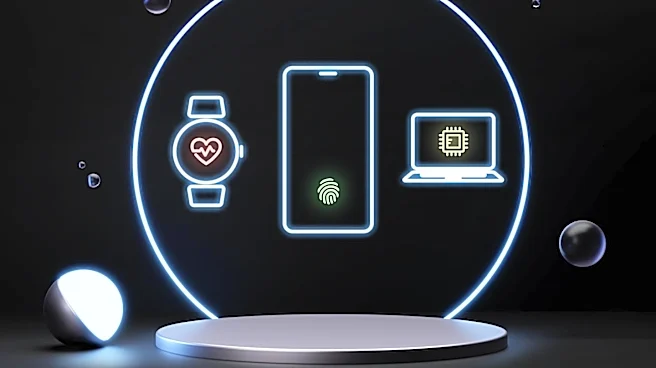
Wearable health devices are increasingly being utilized to explore and potentially validate Traditional Chinese Medicine (TCM) concepts. Researchers are investigating how data collected from smartwatches, heart rate monitors, and sleep-tracking systems—such
as heart rate variability, sleep quality, and blood oxygen saturation—can reflect TCM principles like qi and blood circulation, yin-yang balance, and organ function. This integration aims to provide quantitative support for TCM diagnosis. For instance, National Yang Ming Chiao Tung University (NYCU) is actively promoting the modernization of TCM by combining biomedical engineering, artificial intelligence, and physiological signal analysis. They are digitalizing pulse diagnosis using advanced sensors and machine-learning algorithms to quantify pulse characteristics, improving objectivity and reproducibility in TCM assessment. Additionally, wearable laser acupuncture devices are being developed to offer continuous, noninvasive stimulation of specific acupoints, providing a painless and safe alternative to traditional needle acupuncture for long-term home use. These devices, when integrated with AI-driven analysis, could create comprehensive systems for diagnosis, treatment, and real-time health monitoring.
Why It's Important?
The integration of wearable health technologies with Traditional Chinese Medicine (TCM) holds significant importance for the future of healthcare, particularly in the U.S. market. This convergence could bridge the gap between ancient healing practices and modern scientific validation, potentially leading to new diagnostic and treatment modalities. For consumers, it offers the promise of personalized health management tools that are rooted in a holistic understanding of the body, moving beyond purely Western medical frameworks. The development of painless, noninvasive wearable laser acupuncture devices could make TCM treatments more accessible and appealing to a broader audience, including those hesitant about traditional needle acupuncture. From an industry perspective, this trend opens new avenues for innovation in health tech, creating opportunities for companies to develop devices and software that cater to both Western and Eastern medical philosophies. It could also lead to a more comprehensive approach to preventive healthcare and chronic disease management, potentially reducing healthcare costs and improving patient outcomes by offering diverse treatment options.
What's Next?
The next phase in this integration will likely involve further research and development to scientifically validate the correlation between wearable device data and TCM concepts. Academic institutions and technology companies are expected to collaborate more extensively to refine algorithms and sensors capable of accurately interpreting physiological signals through a TCM lens. Clinical trials will be crucial to demonstrate the efficacy of wearable TCM-integrated devices for diagnosis and treatment. We can anticipate the emergence of new product categories, such as advanced smartwatches with built-in TCM diagnostic features or home-use laser acupuncture systems that offer personalized treatment plans based on real-time data. Regulatory bodies will also need to establish guidelines for these innovative devices, ensuring their safety and effectiveness. Furthermore, educational initiatives will be necessary to inform both healthcare providers and the public about the benefits and limitations of these integrated approaches, fostering greater acceptance and adoption in the U.S. healthcare landscape.
Beyond the Headlines
Beyond the immediate applications, the integration of wearable health technology with Traditional Chinese Medicine (TCM) raises profound implications for the broader understanding of health and wellness. This convergence challenges the traditional Western biomedical paradigm by seeking to quantify and validate holistic concepts like qi and yin-yang balance, potentially leading to a more integrated and personalized approach to medicine. Ethically, it necessitates careful consideration of data privacy and the responsible use of AI in interpreting complex health data, especially when dealing with culturally sensitive medical practices. Legally, the regulatory frameworks for medical devices may need to adapt to accommodate technologies that blend conventional and traditional medicine. Culturally, this development could foster greater acceptance and understanding of TCM in Western societies, promoting a more diverse and inclusive healthcare landscape. In the long term, it could trigger a shift towards preventive and personalized medicine, where individuals actively monitor their health using advanced wearables that offer insights from both Western and Eastern medical perspectives, ultimately empowering them to take a more proactive role in their well-being.