




What's Happening?
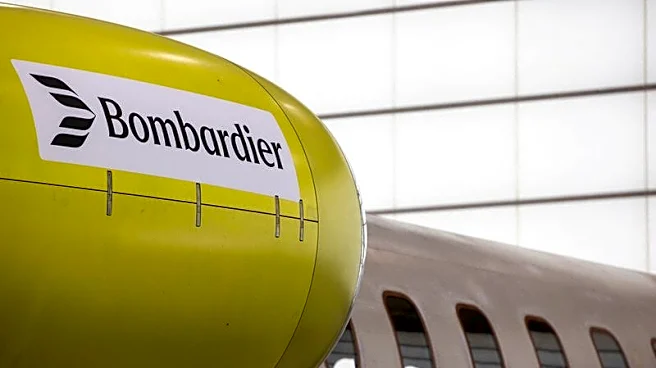
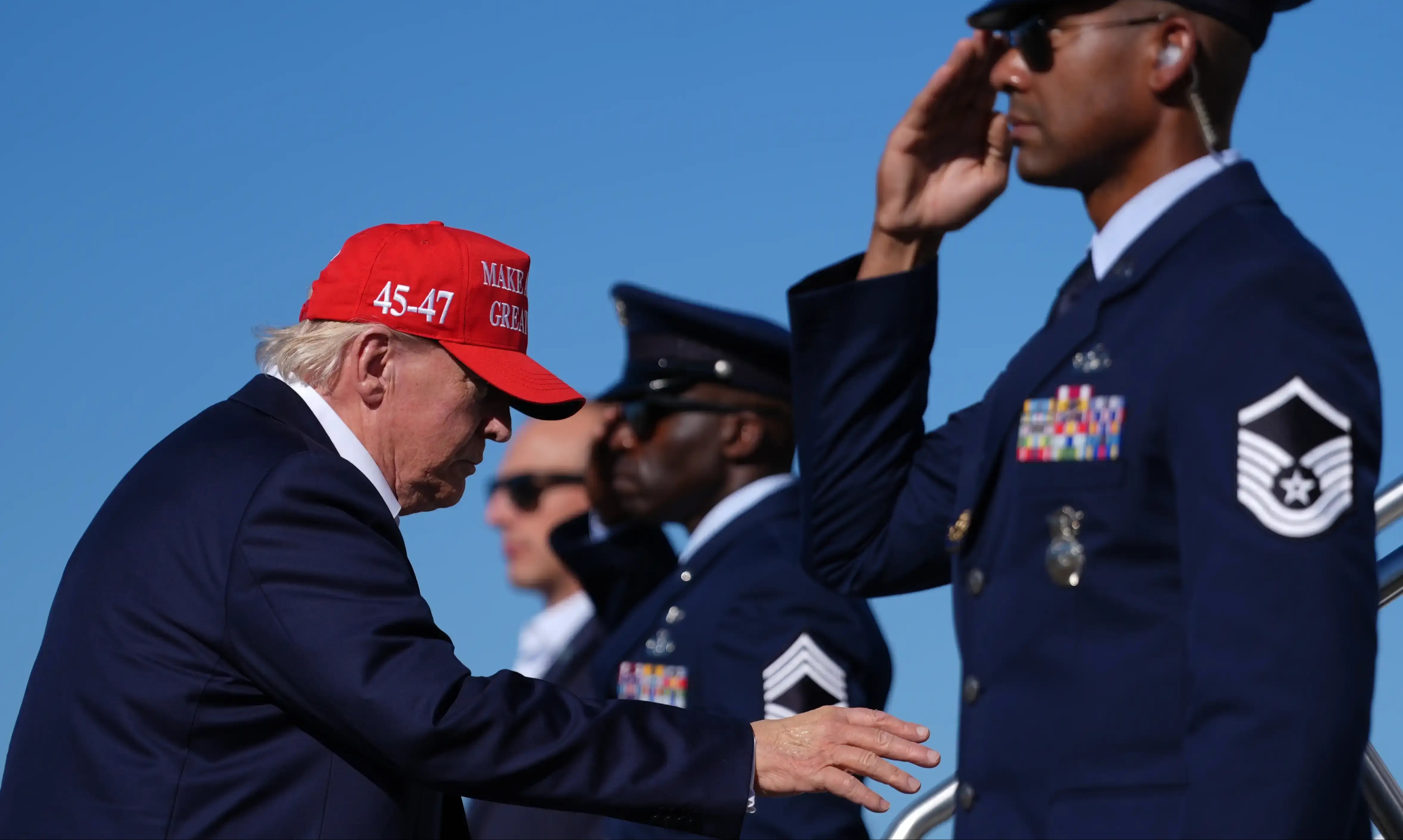
President Donald Trump has threatened to block sales of Canadian planemaker Bombardier in the United States unless the company builds its aircraft within the U.S. This announcement, made via a social media post, escalates existing trade tensions between
the two nations. President Trump accused Canada of 'unjust and unfair' trade practices and stated that if Bombardier desires access to the U.S. market, they must establish manufacturing facilities domestically. He also claimed that Canada obstructs U.S. banks and companies from operating there, declaring that 'That Era is OVER!' This threat comes on the eve of Canada implementing retaliatory tariffs on various U.S. goods. The U.S. market reportedly accounts for over half of Bombardier's revenue. Bombardier, in response, highlighted its significant contribution to the American aerospace industry, noting that its aircraft incorporate U.S.-made components and that the company supports tens of thousands of jobs across 47 states through its supply chain. They also plan to open a new facility in Fort Wayne, Indiana, later this year.
Why It's Important?
This development signifies a significant escalation in the ongoing trade dispute between the U.S. and Canada, potentially impacting the aerospace industry and broader economic relations. A ban on Bombardier sales could severely disrupt the company's operations, given the U.S. market's substantial contribution to its revenue. Such a move would also affect U.S. airlines that utilize Bombardier aircraft and the numerous American companies within Bombardier's supply chain. The President's demand for in-country manufacturing reflects a protectionist stance aimed at boosting domestic jobs and production, but it risks retaliatory measures from Canada, further destabilizing bilateral trade. The dispute also highlights the complexities of international trade, where national security, economic interests, and political rhetoric often intertwine. The potential for increased tariffs and trade barriers could lead to higher costs for consumers and businesses in both countries, impacting economic growth and stability.
What's Next?
Canada is set to impose retaliatory tariffs on a range of U.S. goods, including steel, aluminum, and dairy products, beginning Tuesday. It remains unclear how President Trump would legally enforce a ban on Bombardier sales, as the Federal Aviation Administration (FAA), not the White House, is responsible for certifying aircraft in the U.S. Bombardier models currently hold U.S. certification and are exempt from existing U.S. tariffs. The situation suggests continued acrimony and a lack of resolution in trade negotiations between the two countries. Further actions from either side could lead to a deepening of the trade war, potentially involving more industries and goods. Stakeholders, including Bombardier, U.S. airlines, and American suppliers, will be closely monitoring the situation for any concrete policy changes or legal challenges that may arise.
Beyond the Headlines
The President's threat extends beyond immediate economic implications, touching upon the sovereignty and regulatory autonomy of both nations. The assertion that Canada 'blocks our GREAT American Banks, and Companies' suggests a broader dissatisfaction with Canadian trade policies, potentially signaling a desire for a complete overhaul of the U.S.-Canada trade relationship. The focus on domestic manufacturing, while appealing to a segment of the U.S. electorate, could set a precedent for other industries and international trade partners, potentially leading to a more fragmented global economy. The dispute also raises questions about the role of executive power in trade policy and the checks and balances provided by regulatory bodies like the FAA. The long-term impact could include a re-evaluation of global supply chains and a shift towards more localized production, with significant consequences for international trade agreements and economic interdependence.