







What's Happening?
South Korean Defense Minister Ahn Gyu-back emphasized the country's efforts to bolster its self-reliant defense capabilities while strengthening its alliance with the United States. Speaking at the Asian Security Summit in Singapore, Ahn highlighted the evolving
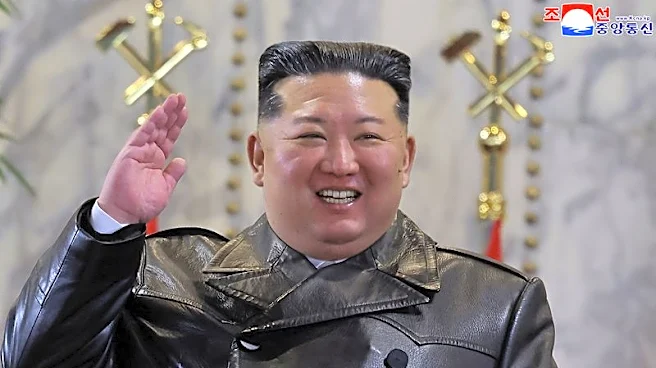
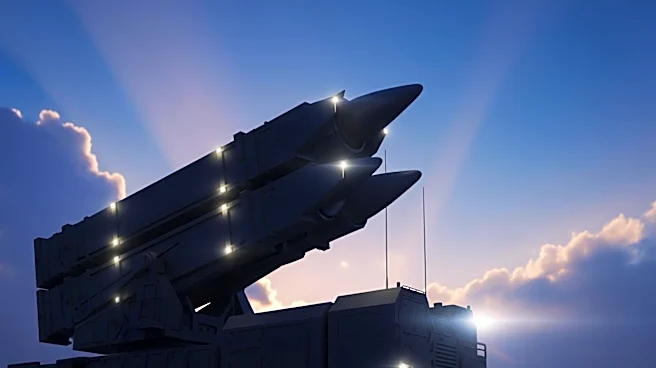
threats posed by North Korea, including its military buildup and nuclear advancements, which contribute to instability in the Indo-Pacific region. South Korea is advancing its three-axis deterrence system, which includes the KAMD missile shield, the Kill Chain preemptive strike platform, and the Korea Massive Punishment and Retaliation system. Additionally, South Korea is developing a 'smart military' using artificial intelligence and drone defense systems. Ahn reaffirmed the importance of dialogue with North Korea, advocating for peace without war, and emphasized South Korea's commitment to ensuring security in the Strait of Hormuz amid US-Iran tensions.
Why It's Important?
The strategic shift by South Korea to enhance its defense capabilities while maintaining a strong alliance with the United States is crucial in the face of North Korean threats. This approach aims to ensure regional stability and deter potential aggression from North Korea, which has been aligning more closely with Russia and gaining combat experience from the Ukraine conflict. The development of a 'smart military' reflects South Korea's adaptation to modern warfare paradigms, potentially setting a precedent for other nations facing similar threats. The emphasis on dialogue with North Korea underscores the importance of diplomatic efforts in achieving long-term peace and stability on the Korean Peninsula. Furthermore, South Korea's commitment to security in the Strait of Hormuz highlights its role in global maritime security, which is vital for international trade and energy supply routes.
What's Next?
South Korea is expected to continue advancing its defense systems and strengthening its alliance with the United States. The focus will likely remain on enhancing technological capabilities and maintaining robust deterrence against North Korean threats. Diplomatic efforts with North Korea may see renewed initiatives aimed at peaceful coexistence, although challenges remain due to the North's military advancements. South Korea's involvement in ensuring security in the Strait of Hormuz may lead to increased collaboration with international partners to guarantee freedom of navigation. The evolving geopolitical landscape in the Indo-Pacific region will require South Korea to adapt its strategies to address emerging threats and maintain regional stability.
Beyond the Headlines
South Korea's defense strategy reflects broader geopolitical shifts, including the increasing importance of technological advancements in military capabilities. The integration of artificial intelligence and drone systems into defense strategies may influence global military practices, potentially leading to ethical and legal considerations regarding autonomous weapons. The focus on dialogue with North Korea highlights the complex interplay between deterrence and diplomacy, which is crucial for long-term peace. South Korea's role in maritime security underscores the interconnectedness of global security issues, where regional conflicts can have far-reaching implications for international trade and energy security.