



What's Happening?
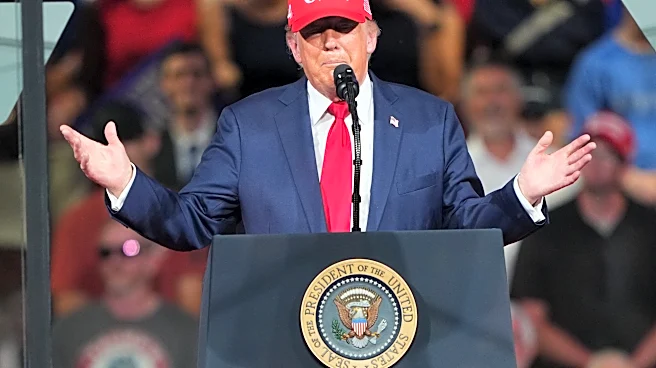
President Trump announced on Friday, September 18, that he is in discussions with Senate Majority Leader John Thune regarding the Ratepayers Protection Act. This legislation aims to prevent the costs associated with the expansion of artificial intelligence
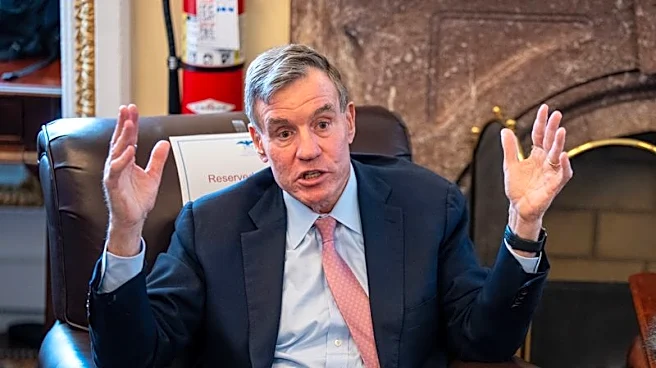
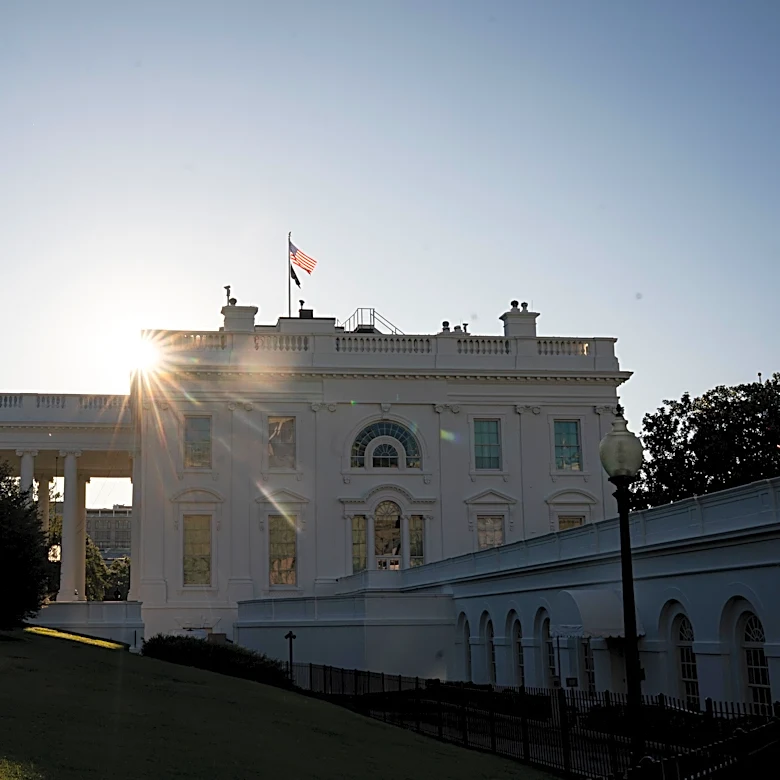
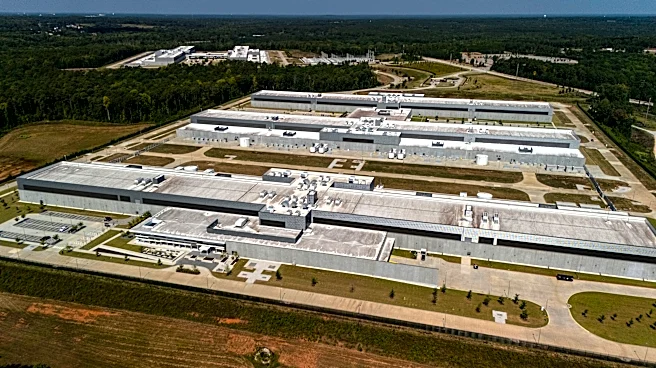
(AI) data centers from being passed on to residential electricity consumers. The House of Representatives overwhelmingly approved the bill with a vote of 417 to three, demonstrating rare bipartisan support. However, the bill's fast-track approval in the Senate was blocked by Senator Martin Heinrich, who argued that the proposal relies on voluntary commitments rather than binding obligations for data centers to cover their increased energy infrastructure costs. The President made these comments during a White House press conference primarily focused on drug prices, where he also touched upon an upcoming meeting with Chinese President Xi Jinping. Trump emphasized the critical role of data centers in maintaining U.S. competitiveness with China in the field of AI, referring to them as the 'oil of the next 20 or 25 years.'
Why It's Important?
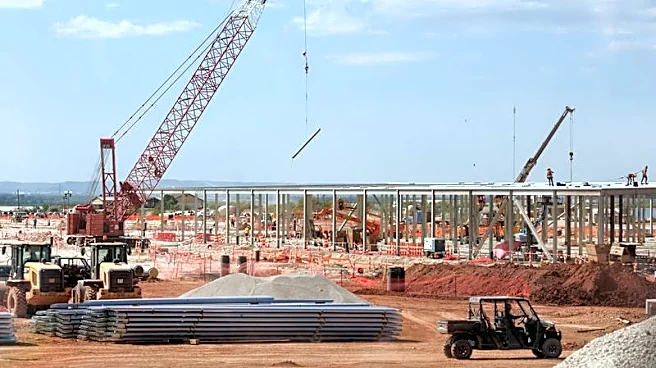
The Ratepayers Protection Act addresses a growing concern that the substantial electricity demands of AI data centers could lead to increased utility bills for American households. These data centers require immense power, necessitating the construction of new power plants, transmission lines, and other grid infrastructure. Currently, these costs are often distributed among all electricity users. The proposed law seeks to establish a federal standard, compelling state public utility regulators to assess whether large electricity consumers, such as data centers, should directly bear the incremental costs of the necessary infrastructure upgrades. This initiative is crucial for protecting residential consumers, farmers, seniors, and small businesses from potentially significant financial burdens. The bipartisan support in the House underscores the widespread recognition of this issue, while the Senate's blockage highlights ongoing debates about the most effective mechanisms to ensure fair cost distribution and prevent consumers from subsidizing technological advancements.
What's Next?
With the Ratepayers Protection Act stalled in the Senate, the immediate future of the legislation remains uncertain. President Trump's engagement with Senator Thune indicates a continued push to bring the bill to a formal vote. However, the opposition from senators like Martin Heinrich, who advocate for more stringent, binding obligations rather than voluntary agreements, suggests that further negotiations or amendments may be necessary. The upcoming weeks are critical, as there are only a few legislative sessions remaining before the November midterm elections. Public sentiment, as indicated by a recent NBC News survey showing nearly 70% opposition to data center construction in residential areas, could also influence legislative action. Stakeholders, including technology companies, utility providers, and consumer advocacy groups, will likely continue to lobby for their respective interests as the debate over who should bear the costs of AI infrastructure unfolds.
Beyond the Headlines
The debate surrounding the Ratepayers Protection Act extends beyond immediate electricity costs, touching upon broader implications for technological development, environmental impact, and social equity. The rapid expansion of AI data centers, while crucial for technological advancement and economic competitiveness, raises significant questions about resource allocation and community impact. Beyond electricity consumption, these facilities also contribute to noise pollution, water usage, and potential health risks in surrounding communities, issues that the three dissenting House legislators highlighted. The legislative impasse reflects a larger societal challenge: how to balance the benefits of cutting-edge technology with the need to protect ordinary citizens and the environment. The outcome of this legislative effort could set a precedent for how future large-scale infrastructure projects, particularly those driven by emerging technologies, are financed and integrated into existing communities, potentially influencing regulatory frameworks for years to come.