




What's Happening?
Governor Ron DeSantis announced the accelerated start of a $56 million transportation project on Clyde Morris Boulevard (State Road 483) in Daytona Beach, Florida. This project, which will improve safety and efficiency on the main thoroughfare for Embry-Riddle
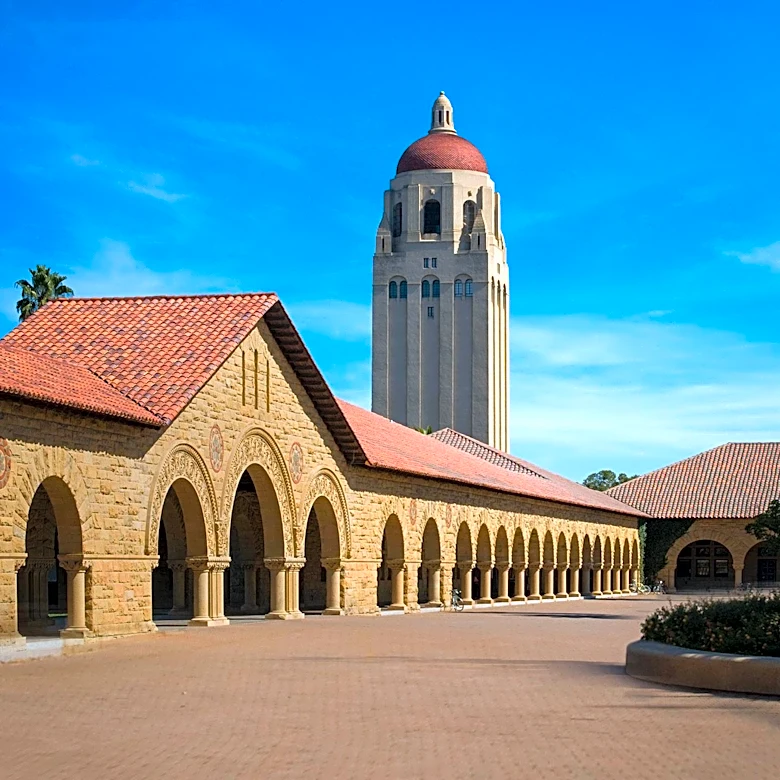
Aeronautical University, is commencing two years ahead of its original schedule. Governor DeSantis also highlighted a new partnership between Embry-Riddle and the Florida Department of Transportation (FDOT). This collaboration aims to significantly contribute to the emerging field of transportation technology, particularly in Advanced Air Mobility (AAM) and Autonomous Vehicles. The improvements to Clyde Morris Boulevard are a long-standing priority for the region, and their acceleration is expected to bring essential safety enhancements to Volusia County and Embry-Riddle University.
Why It's Important?
The acceleration of the Clyde Morris Boulevard project is significant for several reasons. Firstly, it addresses critical safety and efficiency concerns on a major roadway, directly benefiting residents, commuters, and the Embry-Riddle Aeronautical University community. Secondly, the partnership between Embry-Riddle and FDOT positions Florida at the forefront of emerging transportation technologies like Advanced Air Mobility (AAM) and Autonomous Vehicles. This collaboration will foster pivotal research and workforce development, potentially creating new job opportunities and strengthening the state's supply chain. Florida's investment in AAM reflects a vision to alleviate congestion, enhance travel options, and ensure a safe and efficient travel experience. This initiative demonstrates a proactive approach to infrastructure development and technological innovation, aiming to secure Florida's leadership in future transportation solutions.
What's Next?
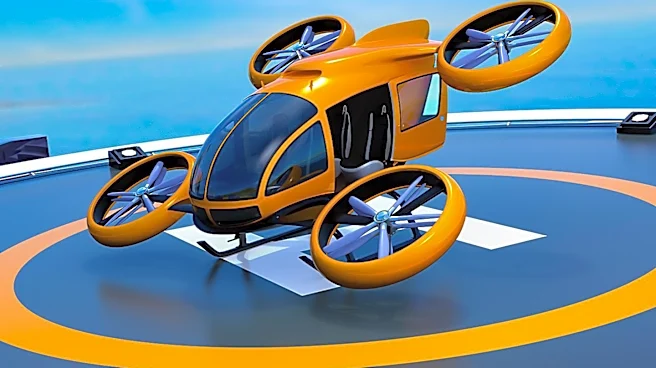
The accelerated construction of the Clyde Morris Boulevard project will proceed, with a focus on implementing significant safety and efficiency improvements. Concurrently, the partnership between Embry-Riddle Aeronautical University and the Florida Department of Transportation will continue to advance research in Advanced Air Mobility (AAM) and Autonomous Vehicles. This collaboration is expected to lead to the development and testing of new transportation technologies, potentially including passenger air taxis, cargo delivery drones, and medical transport solutions. Future legislative efforts may further support the integration of AAM as an official mode of transportation in Florida, building on the legislation signed by Governor DeSantis last year. The state will likely continue to invest in infrastructure to support these emerging technologies, aiming to relieve congestion and enhance overall travel efficiency.
Beyond the Headlines
The accelerated transportation project and the partnership with Embry-Riddle Aeronautical University signify a deeper strategic move by Florida to become a hub for future transportation innovation. Beyond immediate road improvements, the focus on Advanced Air Mobility (AAM) and Autonomous Vehicles indicates a long-term vision for economic development and technological leadership. This initiative could attract further investment from private companies in the aerospace and autonomous vehicle sectors, creating a robust ecosystem for research, manufacturing, and deployment. The ethical and regulatory frameworks for AAM and autonomous vehicles will also need to evolve rapidly, posing challenges and opportunities for policymakers. Florida's proactive stance could set precedents for other states in integrating these transformative technologies, potentially reshaping urban planning, logistics, and emergency services across the nation.