




What's Happening?
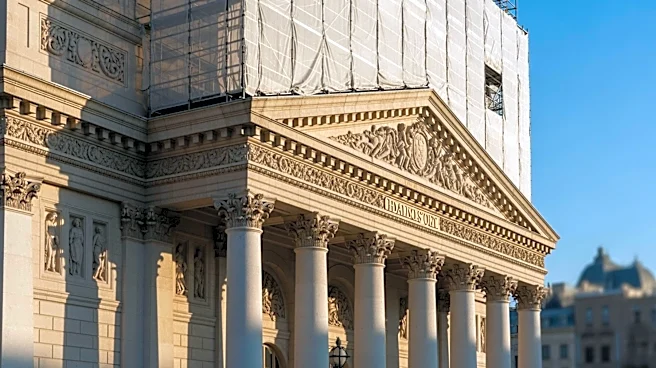
Two lawsuits have been filed against President Trump and the Kennedy Center's board to halt the planned closure of the Kennedy Center for renovations. Representative Joyce Beatty, an ex-officio trustee of the Center, is suing to remove President Trump's
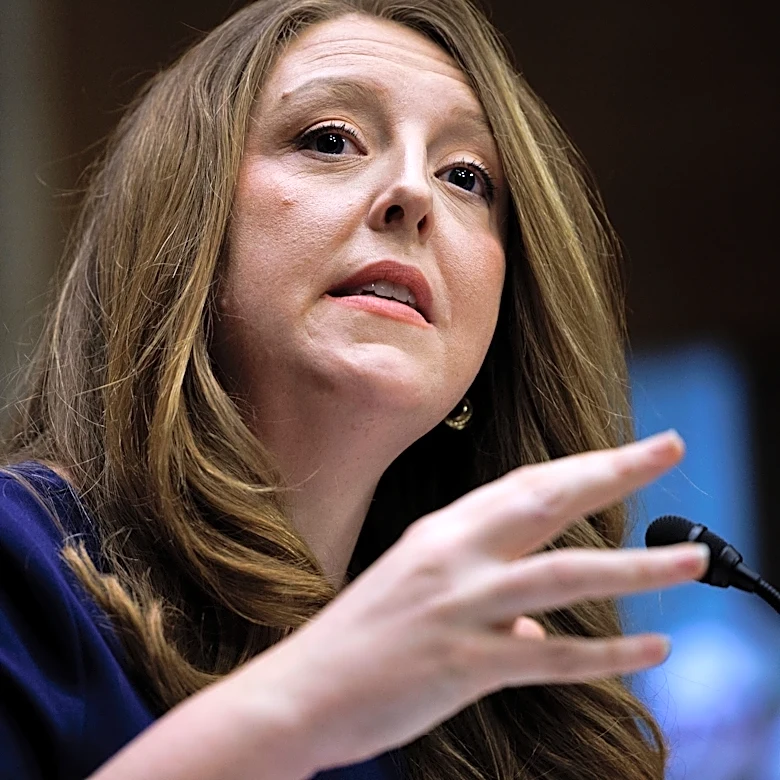
name from the Center and prevent its closure. A coalition of cultural preservation and architecture groups, including the American Institute of Architects and the National Trust for Historic Preservation, is also suing to stop the closure until renovation plans are submitted to Congress for approval. The lawsuits argue that the renovations, which include adding Trump's name to the building, have not been properly planned or approved. The Kennedy Center's executive director, Matt Floca, testified about the building's deteriorating condition, citing safety concerns and the need for extensive repairs. However, plaintiffs argue that a comprehensive plan has not been presented to Congress, and past renovations have occurred without closing the Center.
Why It's Important?
The lawsuits highlight significant concerns about governance and transparency in the management of national cultural institutions. The Kennedy Center, a living memorial to President John F. Kennedy, holds symbolic and cultural significance, and changes to its structure and management are closely scrutinized. The controversy over adding President Trump's name to the Center and the lack of a detailed renovation plan raises questions about the influence of political figures on cultural landmarks. The outcome of these lawsuits could set precedents for how such institutions are managed and preserved, impacting future decisions on cultural heritage sites across the U.S. Additionally, the case underscores the tension between political influence and cultural preservation, with potential implications for public trust in government oversight of national landmarks.
What's Next?
The lawsuits are currently being heard by U.S. District Court Judge Christopher Cooper in Washington, D.C. The court's decision could influence the future of the Kennedy Center's renovations and the inclusion of President Trump's name on the building. If the plaintiffs succeed, the Kennedy Center may be required to submit a detailed renovation plan to Congress, potentially delaying or altering the planned renovations. The case may also prompt further scrutiny of political appointments and decisions affecting cultural institutions. Stakeholders, including cultural preservation groups and political leaders, are likely to continue advocating for transparency and adherence to legal statutes governing national landmarks.