





What's Happening?
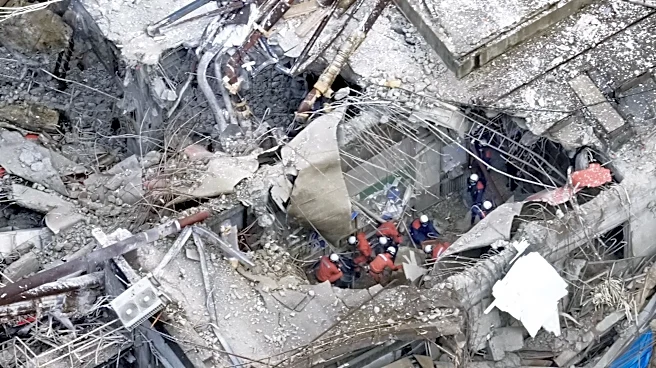
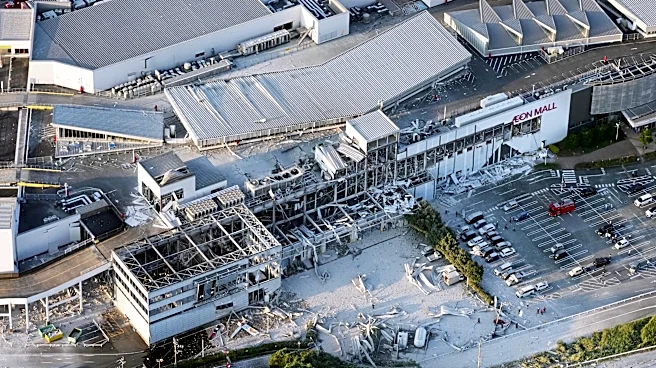
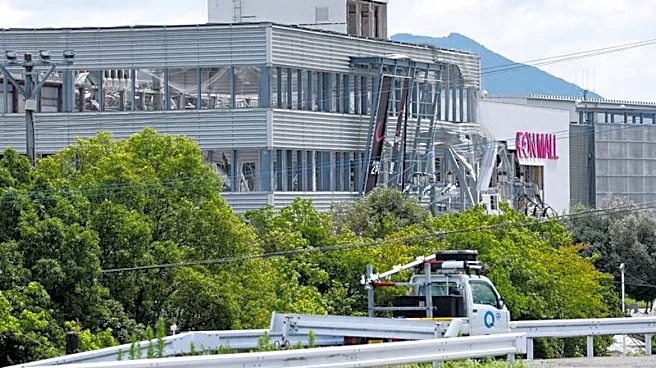
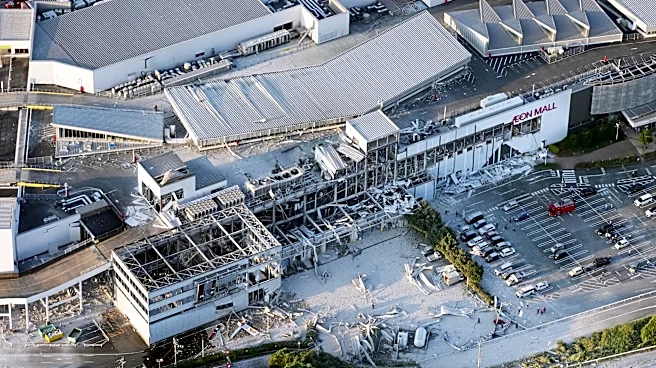
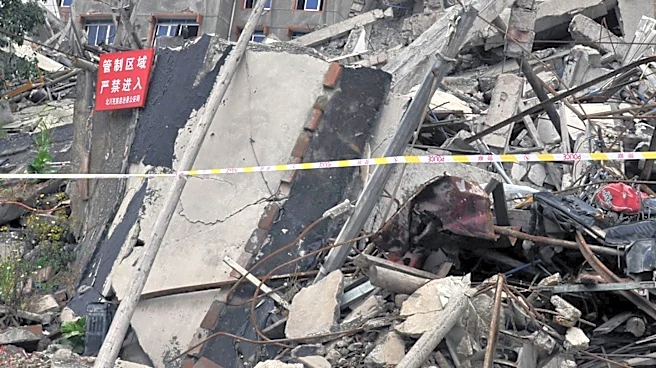
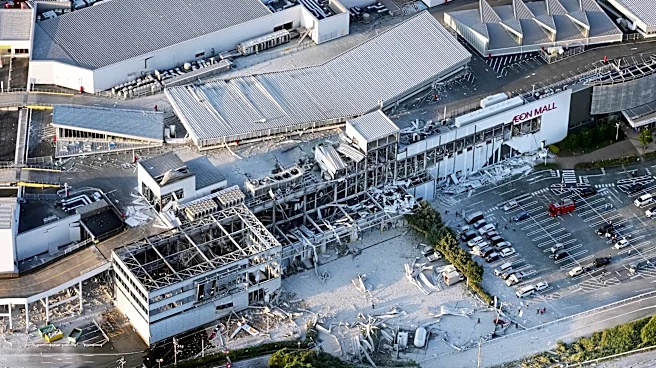
A 6.8 magnitude earthquake struck southern Japan, resulting in at least 13 deaths and leaving hundreds injured. The quake, which hit Kumamoto prefecture on Kyushu island, caused significant damage, including power and water outages affecting tens of thousands.
Rescue teams are racing against time to find missing individuals amidst ongoing aftershocks. The Japanese government has mobilized military personnel and aircraft for disaster relief, while evacuation centers are housing thousands of displaced residents. The earthquake has triggered memories of past seismic disasters in Japan, highlighting the country's vulnerability to such natural events.
Why It's Important?
Japan's latest earthquake highlights the persistent threat of natural disasters in the region, which is part of the Pacific 'Ring of Fire.' The event underscores the importance of disaster preparedness and resilient infrastructure in minimizing casualties and damage. It also raises concerns about the impact on local economies and communities, particularly in areas already struggling with recovery from previous disasters. The international community may look to Japan's response as a model for handling similar crises, emphasizing the need for robust emergency management systems.
What's Next?
As rescue operations continue, the focus will shift to recovery and rebuilding efforts. Authorities will assess the full extent of the damage and prioritize restoring essential services. The Japanese government may also review and update building codes and disaster response strategies to enhance resilience against future earthquakes. International aid and support could play a role in the recovery process, while ongoing aftershocks pose a continued risk to the affected areas.