





What's Happening?
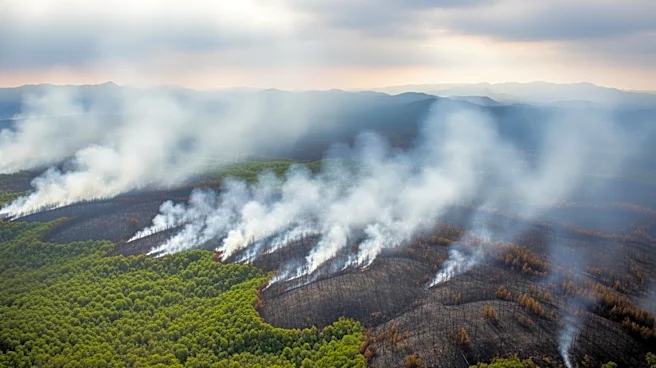
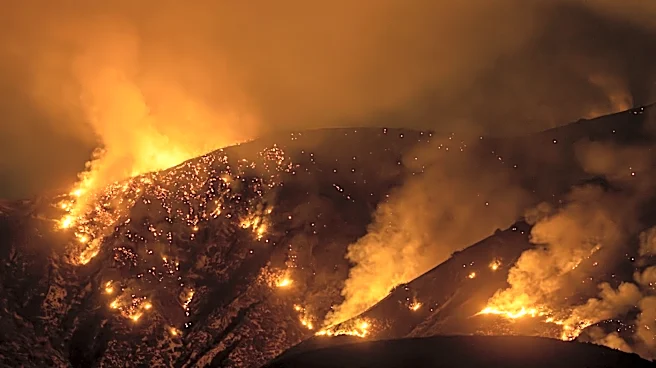
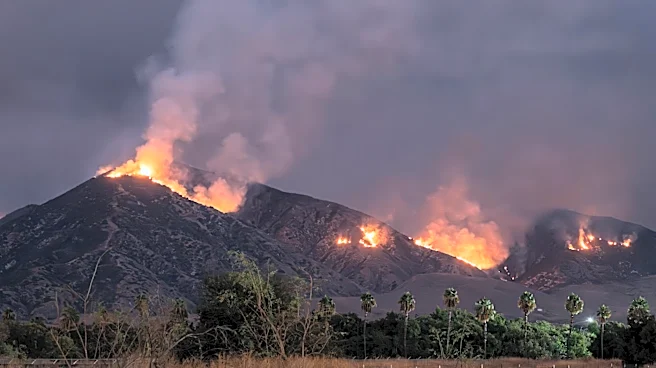
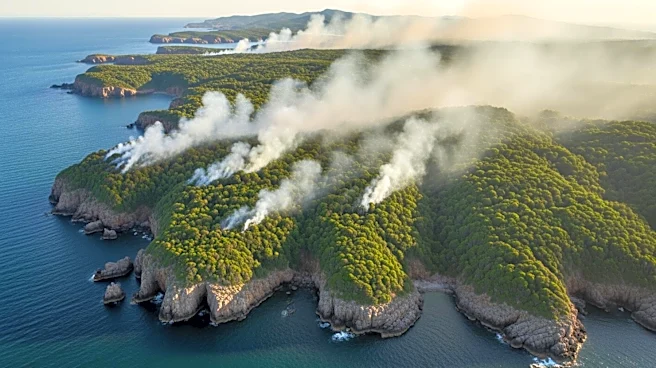
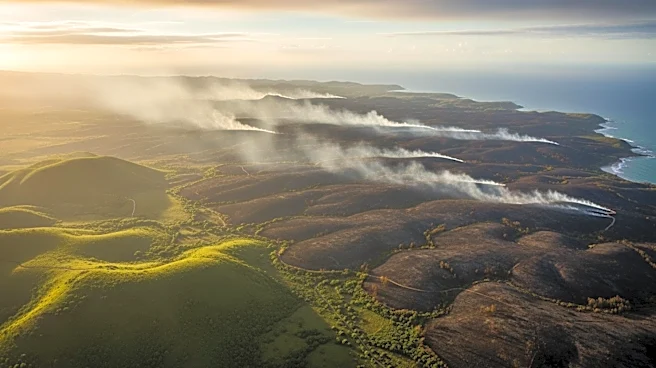
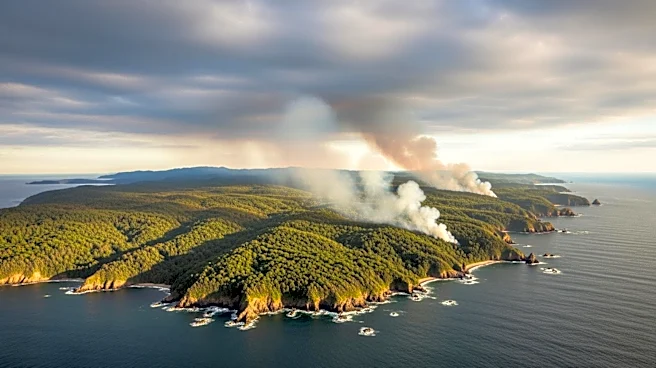
A wildfire, ignited by a flare from a shipwrecked sailor, has ravaged nearly one-third of Santa Rosa Island, including the critically endangered Torrey pine grove on the island's east side. The National Park Service reports that this fire has affected
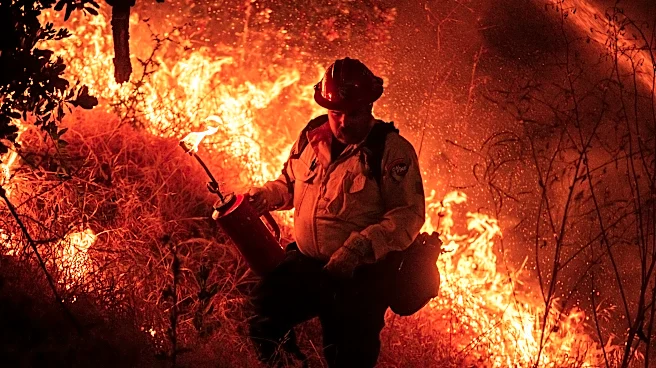
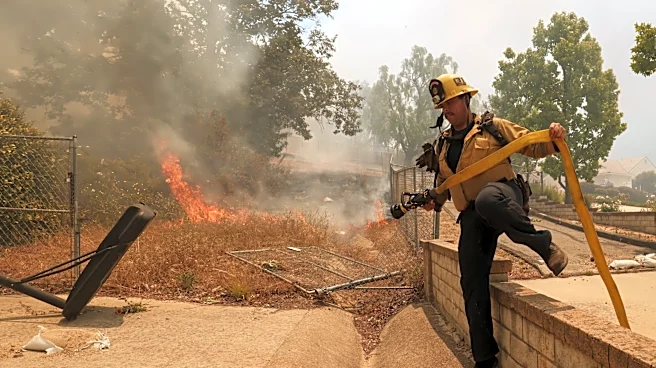
one of only two natural habitats of the Torrey pine, a tree species that is genetically distinct due to thousands of years of isolation. The fire, which is the largest recorded on the island in modern history, has also destroyed two historic buildings. Firefighters have managed to contain 26% of the 16,942-acre blaze, aided by improved weather conditions and aerial firefighting efforts.
Why It's Important?
The Torrey pine is one of the rarest pine species in the world, with its survival already threatened by its limited genetic diversity. The fire poses a significant risk to this unique ecosystem, which also includes other rare species such as a unique island fox subspecies and several uncommon birds. The loss of vegetation could disrupt the food chain and lead to increased erosion, affecting the island's biodiversity. The fire's impact on the Torrey pine grove could have long-term ecological consequences, highlighting the need for effective conservation strategies to protect such vulnerable species.
What's Next?
Firefighting efforts are ongoing, with additional reinforcements expected to arrive, including specialized wildland fire engines. Drones will be deployed to assess the condition of the Torrey pines more thoroughly. The park service will continue to monitor the situation closely, focusing on the potential ecological impacts and the recovery of the affected species. The outcome of these efforts will be crucial in determining the future of the Torrey pine grove and the broader ecosystem of Santa Rosa Island.
Beyond the Headlines
The fire underscores the challenges of preserving isolated ecosystems that are home to rare species. It raises questions about the resilience of such ecosystems in the face of environmental threats like wildfires, which are becoming more frequent and intense due to climate change. The situation on Santa Rosa Island could serve as a case study for conservationists and policymakers in developing strategies to protect other vulnerable ecosystems worldwide.