
What's Happening?
The United Nations Environment Programme (UNEP) has raised concerns about the growing threats to America's lakes due to climate change, overuse, and pollution. According to UNEP, climate change is intensifying
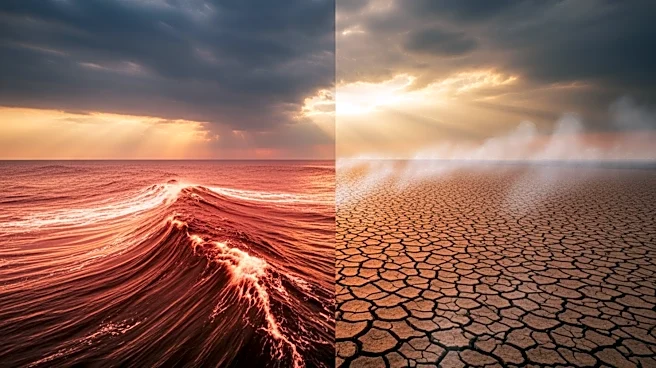
droughts and raising temperatures, which increases evaporation and reduces water inflows into lakes. This situation is exacerbated by growing populations and agricultural demands that divert water away from natural systems. Pollution from fertilizer runoff, sewage, and industrial waste introduces harmful nutrients into lakes, leading to toxic algal blooms that degrade water quality and pose health risks. Despite past reforms like the Clean Water Act, many lakes remain in a cycle of ecological decline due to concentrated pollution from lower water levels.
Why It's Important?
The degradation of America's lakes has significant implications for public health, environmental sustainability, and economic activities. Lakes are crucial sources of drinking water, recreation, and wildlife habitats. The decline in water quality and quantity threatens these functions, potentially impacting millions of people who rely on these water bodies. Toxic algal blooms can contaminate drinking water supplies, necessitating costly treatment processes and posing health risks. Additionally, the ecological decline of lakes can affect biodiversity and disrupt local economies dependent on tourism and fishing. Addressing these issues requires coordinated efforts to manage water resources sustainably and reduce pollution.
What's Next?
Efforts to mitigate the threats to America's lakes will likely focus on reducing water consumption, particularly in agriculture, which is a major user of freshwater resources. Improving water management policies and cutting nutrient pollution through stricter regulations and infrastructure upgrades are also critical steps. Restoring ecosystems and addressing climate change by reducing greenhouse gas emissions are long-term strategies that could help stabilize lake environments. These actions will require collaboration among government agencies, environmental organizations, and local communities to be effective.