
What's Happening?
The FBI conducted a search of Washington Post reporter Hannah Natanson's home as part of an investigation into a Pentagon contractor accused of mishandling classified information. The search, which took
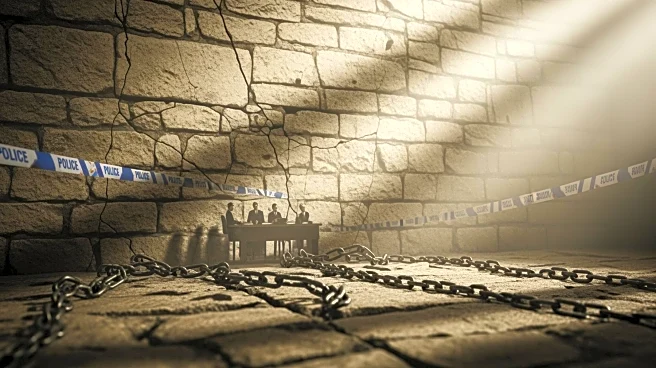
place in Virginia, resulted in the seizure of Natanson's phone, two laptops, and a Garmin watch. The Justice Department clarified that neither Natanson nor the Washington Post are targets of the investigation. The probe centers on Aurelio Perez-Lugones, a systems engineer and IT specialist, who allegedly took classified documents home. The search has raised concerns about press freedom, with the Washington Post expressing alarm over the aggressive nature of the action.
Why It's Important?
This development underscores the tension between national security concerns and press freedom. The search of a journalist's home is a significant escalation in the government's efforts to prevent leaks of classified information. It highlights the challenges faced by journalists in protecting their sources and maintaining the confidentiality of sensitive information. The incident could have a chilling effect on investigative journalism, potentially deterring sources from coming forward with information that is in the public interest. The case also reflects the broader debate over the balance between security and freedom of the press in the U.S.
What's Next?
The legal proceedings against Aurelio Perez-Lugones are ongoing, with a court appearance scheduled. The Washington Post and press freedom advocates are likely to continue monitoring the situation closely, potentially challenging the actions taken by the government. The outcome of this case could set a precedent for how similar cases are handled in the future, influencing the relationship between the government and the press. Additionally, the Justice Department's approach to handling leaks and the protection of journalists' rights may come under further scrutiny.