




What's Happening?
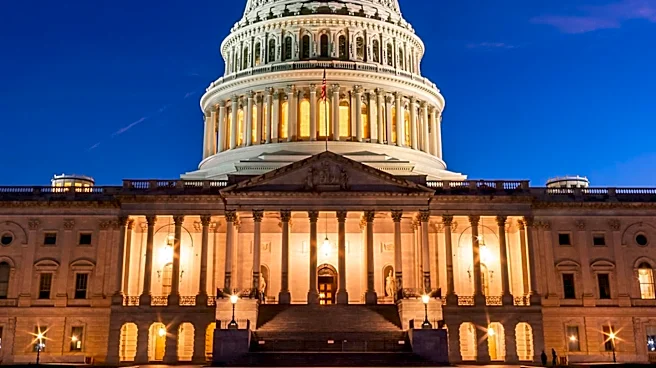
Representative Harriet Hageman, a Republican from Wyoming, introduced the SAFE Act (HR7539) in February. This legislation aims to address the issue of 'chameleon carriers' within the trucking industry. Chameleon carriers are trucking companies that illegally
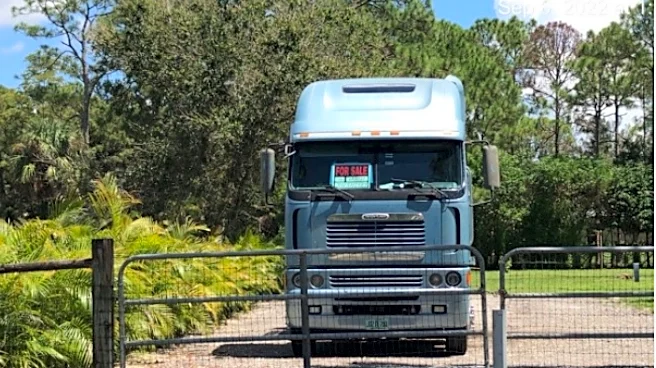
re-establish themselves under new names and DOT numbers after being cited or shut down by the Federal Motor Carrier Safety Administration (FMCSA) due to poor safety records. The SAFE Act seeks to develop an advanced automation tool designed to detect applications from these deceptive carriers. The problem of chameleon carriers gained national attention following a '60 Minutes' report earlier this year, which highlighted their practice of abandoning a poor safety history to operate under a new identity. According to Rob Carpenter, a CDL holder and trucking safety consultant interviewed by '60 Minutes,' these carriers adopt new identities to evade accountability for past safety violations.
Why It's Important?
The prevalence of chameleon carriers poses significant safety risks on U.S. roads. These entities, by circumventing regulatory oversight, often operate with substandard safety practices, leading to increased accidents and fatalities. Data cited by '60 Minutes' from Fusable indicates that chameleon carriers are four times more likely to be involved in severe crashes. The SAFE Act's focus on developing an automated detection tool is crucial for enhancing the effectiveness of the FMCSA in identifying and preventing these carriers from operating. This initiative is vital for public safety, as it aims to remove dangerous operators from highways, thereby protecting other motorists and ensuring the integrity of the trucking industry. The legislation could also level the playing field for legitimate trucking companies that adhere to safety regulations, as chameleon carriers often gain an unfair competitive advantage by cutting corners on safety.
What's Next?
The SAFE Act, HR7539, introduced by Representative Hageman, will now proceed through the legislative process in the House of Representatives. A similar bill, S5150, was introduced in the Senate by Senators Todd Young (R-Ind.) and Andy Kim (D-N.J.) in July, indicating bipartisan concern over the issue. The next steps will likely involve committee hearings, potential amendments, and votes in both chambers. If passed, the legislation would mandate the development and implementation of the advanced automation tool, which would then be integrated into the FMCSA's registration processes. The effectiveness of this tool will depend on its design and the resources allocated for its development and maintenance. Stakeholders, including trucking associations, safety advocates, and law enforcement, will closely monitor the bill's progress and its eventual impact on road safety.
Beyond the Headlines
Beyond the immediate safety concerns, the issue of chameleon carriers highlights broader challenges in regulatory enforcement and the adaptability of illicit operations. The need for an 'advanced automation tool' underscores the increasing reliance on technology to combat sophisticated evasion tactics. This trend suggests a future where regulatory bodies will increasingly leverage AI and data analytics to identify and prevent fraudulent activities across various industries. Furthermore, the bipartisan support for addressing chameleon carriers reflects a shared understanding of the importance of public safety and fair competition, transcending typical political divides. The success of the SAFE Act could set a precedent for how other industries tackle similar issues of regulatory circumvention, emphasizing proactive technological solutions over reactive enforcement measures. It also brings into focus the ethical responsibility of companies to ensure public safety, even when faced with economic pressures.