
What's Happening?
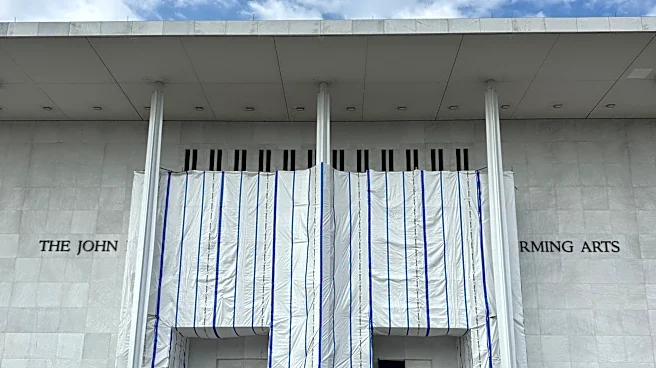
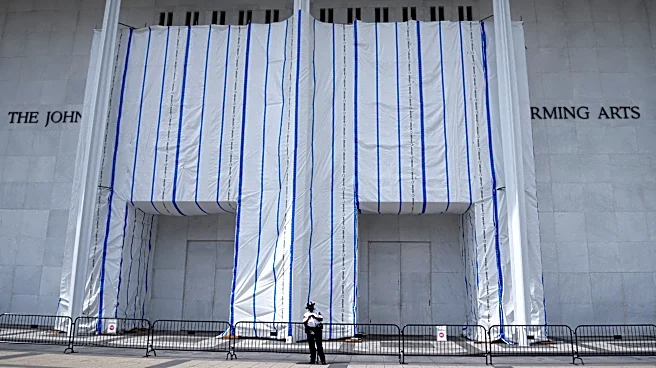
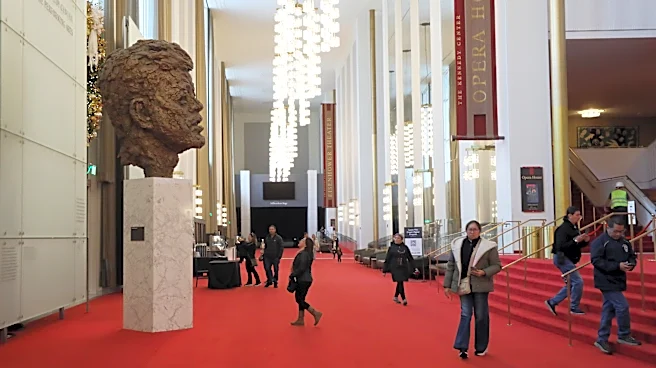
Thousands of individuals gathered outside the John F. Kennedy Center for the Performing Arts in Washington D.C. to protest potential plans by President Trump to close or demolish the institution. This demonstration, organized by 'Hands Off the Arts,'
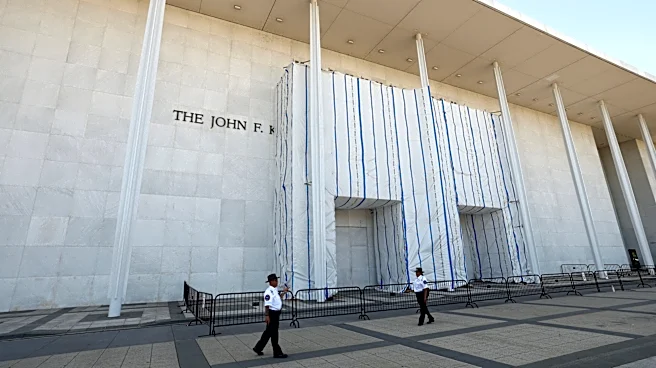
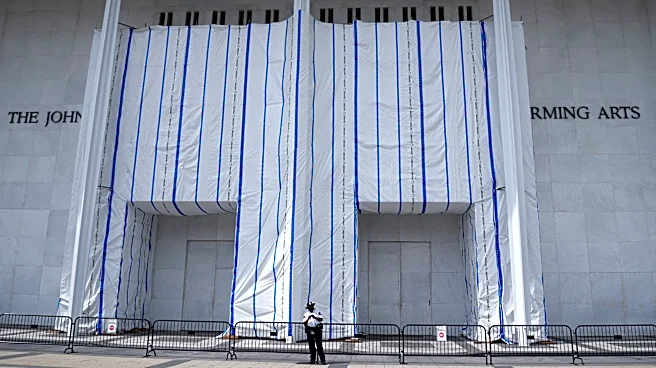
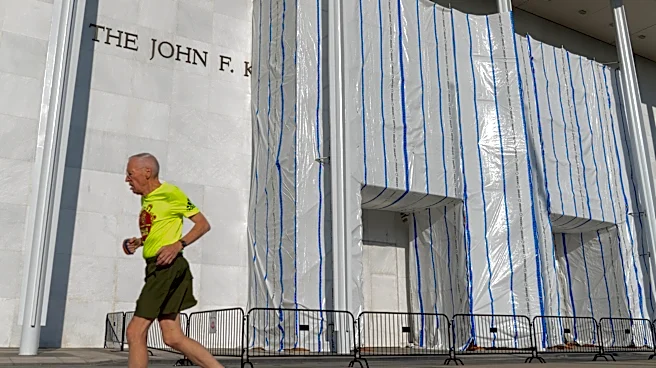
followed a tumultuous week in federal courts concerning the administration's 'vanity projects,' including the Kennedy Center. President Trump had previously installed himself as chairman of the Kennedy Center and replaced board members with his appointees in 2025. His name was subsequently placed on the center, which a judge later ruled illegal and ordered removed. The Kennedy Center board, aligned with President Trump, voted to close the center indefinitely for repairs after a U.S. District Judge blocked plans to return President Trump's name to the building. On Thursday, the judge further ordered that 30 days' notice must be given before any major physical changes, including demolition, could occur. President Trump stated he was willing to save the center, which he claimed was losing money, but did not directly address questions about demolition, instead suggesting his administration should be recognized for saving it.
Why It's Important?
The protests and legal battles surrounding the Kennedy Center highlight a significant conflict over the preservation and governance of national cultural institutions. The potential closure or demolition of the Kennedy Center, a memorial to John F. Kennedy and a pinnacle of the nation's performing arts, raises concerns about the politicization of cultural heritage and the role of the executive branch in overseeing such entities. The situation impacts the arts community, including students and performers who rely on the center for opportunities and resources. The legal rulings underscore the importance of judicial oversight in limiting executive actions, particularly when they involve public institutions and memorials. The broader implications touch upon the balance of power between the presidency and established cultural norms, as well as the public's role in safeguarding national treasures from perceived authoritarian overreach.
What's Next?
Following the judge's order requiring 30 days' notice before any major physical changes, including demolition, the immediate future of the Kennedy Center remains under judicial scrutiny. Protesters and advocacy groups like 'Hands Off the Arts' are expected to continue their efforts to safeguard the institution, potentially through further demonstrations and legal challenges. The administration's ongoing pursuit of various 'vanity projects,' despite litigation, suggests that similar conflicts may arise concerning other public assets. The Kennedy Center board's decision to close the center indefinitely for repairs, coupled with President Trump's statements about its financial state, indicates that the debate over its future funding and management will likely persist. Stakeholders, including political leaders, arts organizations, and the public, will be closely watching for any further actions by the administration or the courts regarding the center's status.
Beyond the Headlines
The controversy surrounding the Kennedy Center extends beyond its immediate fate, touching upon deeper ethical and cultural dimensions. The attempt to rename or significantly alter a presidential memorial without congressional approval raises questions about the respect for historical legacies and the integrity of national symbols. The perceived politicization of a cultural institution, as evidenced by President Trump's installation as chairman and replacement of board members, could set a precedent for future administrations to exert undue influence over non-political entities. This situation also highlights the vulnerability of cultural institutions to political agendas and the critical role of public activism and judicial intervention in protecting them. The emotional response from the arts community and the public underscores the profound connection many Americans have to these institutions as symbols of national identity and artistic expression, making the struggle over the Kennedy Center a battle for cultural autonomy and democratic values.