



What's Happening?
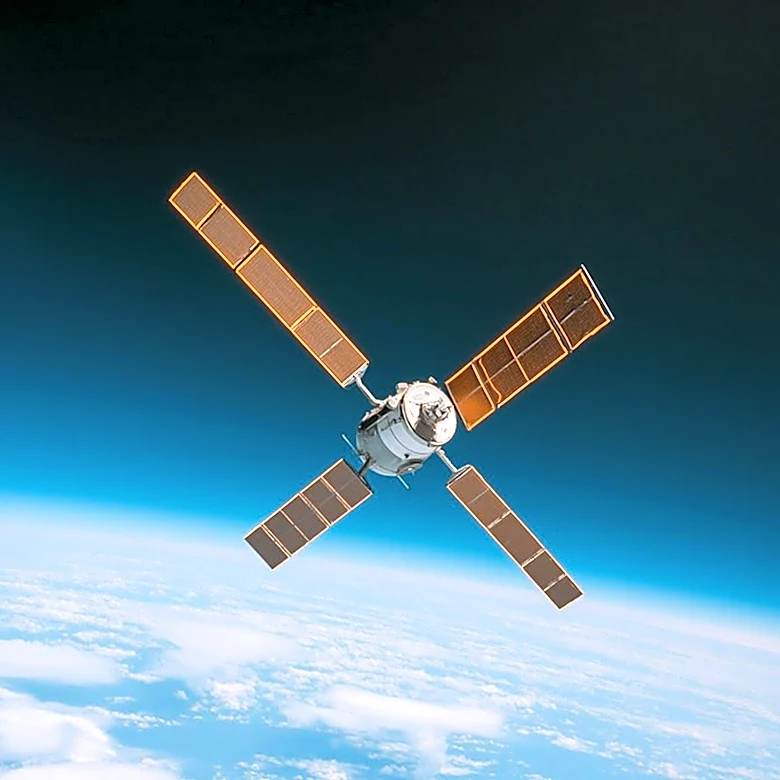
NASA's satellite imagery has revealed a hummingbird-shaped feature beneath the ice of Antarctica, capturing the attention of space enthusiasts and researchers. This discovery was made using data from the ISAR (NASA-ISRO Synthetic Aperture Radar) satellite,
which provided detailed images of the Antarctic landscape. The feature, known as Nunatak Zaterjavshijsja, is a mountaintop in East Antarctica that emerges amid a stream of ice flowing towards the ocean. The mountain's topography causes stress on the ice, creating deep cracks called crevasses, which appear as green lines in the satellite images. This technology allows scientists to track the movement of Earth's land and ice masses, monitor ecosystem changes, and respond to natural disasters.
Why It's Important?
The discovery of the hummingbird-shaped feature highlights the capabilities of advanced satellite imaging in uncovering hidden geographical features. This technology provides valuable data for understanding the dynamics of Earth's ice masses and their impact on global sea levels. By revealing the intricate details of the Antarctic landscape, researchers can better assess the effects of climate change and develop strategies for environmental conservation. The ability to monitor changes in ecosystems and respond to natural disasters is crucial for mitigating the impacts of climate-related events. This discovery also underscores the importance of international collaboration in space exploration, as the data was collected by teams from the U.S. and India.
What's Next?
Researchers will likely continue to analyze the data collected by the ISAR satellite to gain further insights into the Antarctic landscape and its changes over time. This ongoing research could lead to new discoveries about the region's geological features and their implications for global climate patterns. The use of advanced satellite imaging technology may also be expanded to other regions, providing a comprehensive understanding of Earth's dynamic systems. As scientists continue to explore the potential of this technology, it could play a significant role in shaping future environmental policies and conservation efforts.