





What's Happening?
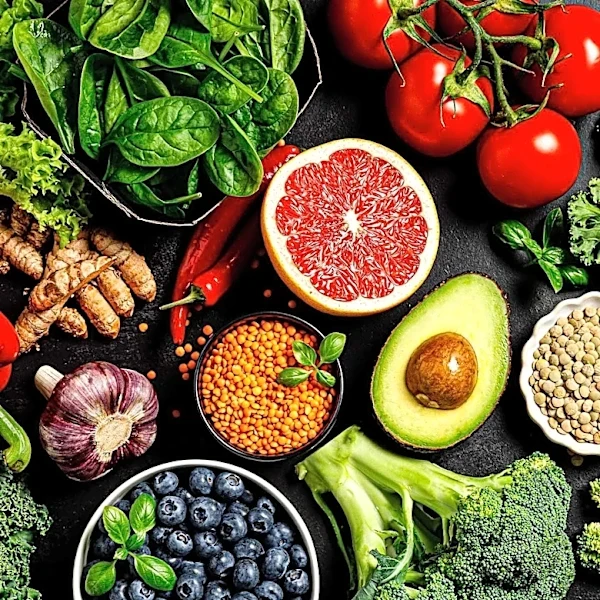
Prebiotics are identified as substrates that are selectively utilized by host microorganisms, leading to health benefits. These are typically types of fiber that specific gut microbes can ferment and use as fuel. Examples include inulin and other fermentable
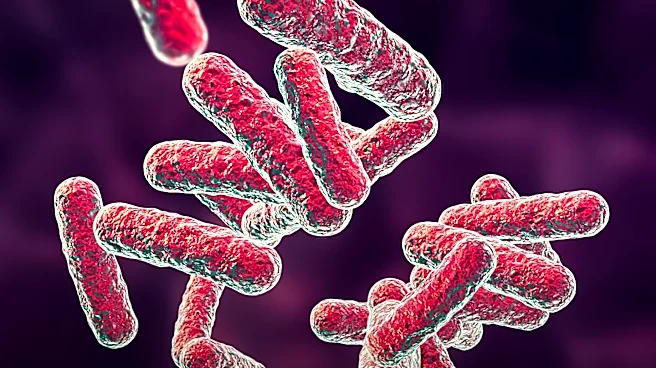
fibers. Unlike probiotics, prebiotics are not living organisms; instead, they serve as nourishment for existing beneficial bacteria within the gut. This support for beneficial gut bacteria contributes to overall health. The concept highlights that while probiotics introduce live microorganisms, prebiotics provide the necessary sustenance for these and other beneficial microbes to thrive and function effectively within the digestive system.
Why It's Important?
The understanding of prebiotics is crucial for advancing digestive health and overall wellness in the U.S. population. By providing a clear definition and examples, consumers and healthcare providers can make more informed decisions regarding dietary supplements and nutritional strategies. The emphasis on prebiotics as 'fuel' for beneficial gut bacteria underscores their role in maintaining a balanced gut microbiome, which is increasingly linked to various aspects of health, including immune function, metabolism, and even mental well-being. This distinction from probiotics helps clarify their unique contribution, allowing for targeted interventions to support gut health. For the supplement industry, this detailed understanding can drive the development of more effective and scientifically backed products.
What's Next?
Further research is expected to delve deeper into the specific types of fibers that qualify as prebiotics and their precise mechanisms of action within the human gut. This will likely lead to the identification of new prebiotic sources and more tailored dietary recommendations. The development of combined 'synbiotic' products, which include both prebiotics and probiotics, is also a foreseeable next step, aiming to create synergistic effects for enhanced health benefits. Additionally, increased public awareness campaigns may be implemented to educate consumers on the differences and benefits of prebiotics, potentially influencing dietary habits and supplement choices across the U.S.
Beyond the Headlines
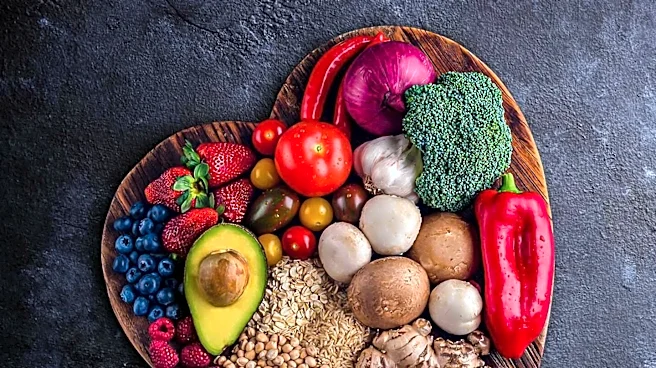
The detailed definition of prebiotics extends beyond simple dietary fiber, highlighting a sophisticated interaction between diet and the human microbiome. This understanding has profound implications for personalized nutrition, where dietary interventions can be customized to support an individual's unique gut flora. It also raises ethical considerations regarding the marketing and labeling of products claiming prebiotic benefits, necessitating clear scientific evidence. Culturally, a greater appreciation for the role of gut health could lead to shifts in food consumption patterns, favoring foods rich in fermentable fibers. Long-term, this could contribute to a reduction in chronic diseases linked to gut dysbiosis, fostering a healthier society.