






What's Happening?
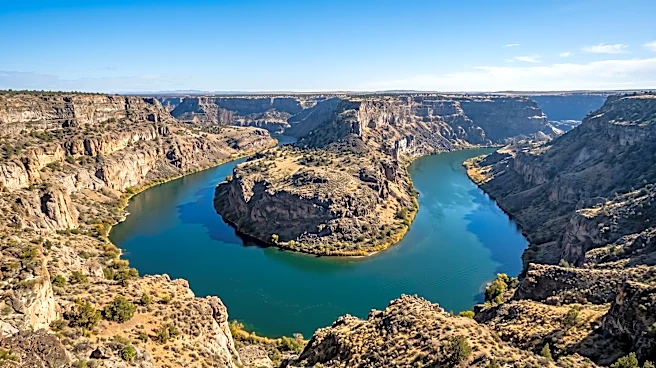
Idaho state officials are pressing forward with efforts to fully eradicate quagga mussels after detecting the invasive species again in the Snake River near Twin Falls earlier this month. Despite the continued presence, the number of quagga mussels detected
this year is down by 77% compared to last year, with eight larvae (veligers) and seven adult mussels found as of August 14. This marks the fourth consecutive year of detection in this area. The Idaho State Department of Agriculture (ISDA) and Governor Brad Little emphasize that not treating the infestation is not an option due to the severe economic, agricultural, and recreational impacts mussels can cause by clogging pipes. The state's treatment plan, set to begin soon and end by September 13, involves two steps of copper-based chemicals, Earthtec QZ and Natrix, applied to the Twin Falls and Shoshone Falls pools. New this year, officials will focus on smaller, targeted water pools and fissures where adult mussels survived previous treatments, utilizing increased scuba diver efforts.
Why It's Important?
The ongoing battle against quagga mussels in Idaho's Snake River is critically important for the state's economy, environment, and public infrastructure. These invasive mussels reproduce rapidly and can clog vital water infrastructure, including irrigation systems and municipal drinking water pipes, which would have devastating effects on agriculture, industry, and daily life. The Snake River supports over 1,700 different users, making its protection paramount. Idaho's aggressive eradication strategy, which has shown a significant reduction in mussel numbers, is charting new territory as no other state has successfully eradicated an established quagga mussel infestation on this scale. The success or failure of these efforts could set a precedent for invasive species management nationwide, demonstrating the feasibility of eradication versus long-term management, which is often far more costly. The use of copper-based chemicals, while effective, also highlights the environmental trade-offs involved, as these treatments can harm fish and other aquatic life.
What's Next?
Idaho's treatment plan, involving copper-based chemicals Earthtec QZ and Natrix, is scheduled to commence shortly and conclude by September 13. Following the treatment, the Idaho State Department of Agriculture will meticulously assess its effectiveness, particularly focusing on the new targeted approach in smaller pools and fissures. Officials will continue to monitor the Snake River for any signs of quagga mussel resurgence. The Idaho Conservation League and other environmental groups will also be closely observing the impact of the treatments on both the mussels and the broader aquatic ecosystem, particularly regarding the effects on fish populations. Discussions will likely continue regarding the long-term sustainability of copper-based treatments and the potential need for expanded mandatory inspection and decontamination stations for boats across all popular bodies of water in Idaho to prevent future infestations.
Beyond the Headlines
The fight against quagga mussels in Idaho is a microcosm of the broader global challenge of invasive species management, which poses significant ecological and economic threats worldwide. Idaho's ambitious eradication effort, particularly on a moving river, is a high-stakes experiment that could provide invaluable lessons for other regions grappling with similar invasions. The ethical dilemma of using chemicals that harm native aquatic life to protect infrastructure and agriculture underscores the complex choices policymakers face in environmental management. This situation also highlights the critical role of public awareness and prevention, as human activities, particularly recreational boating, are often vectors for invasive species. The long-term success of Idaho's strategy will depend not only on effective treatments but also on robust prevention measures and sustained public engagement to protect its precious water resources from future biological threats.