





What's Happening?
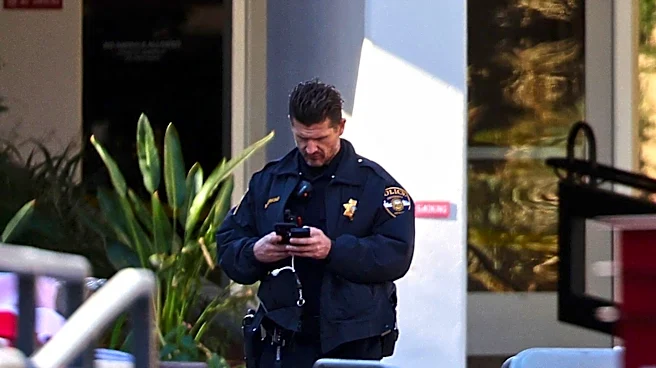
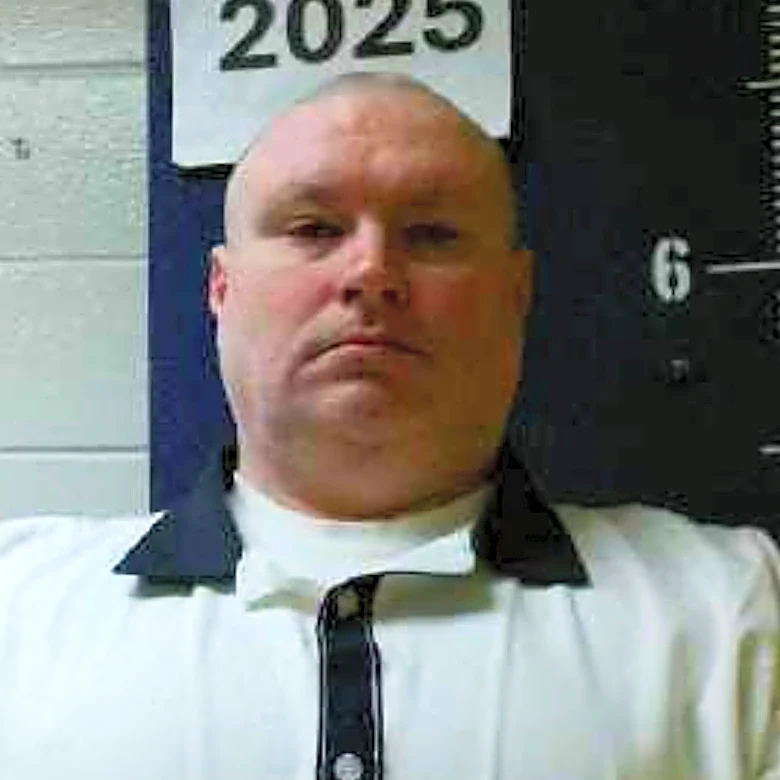
A San Jose police officer, Sgt. Matt Walsh, was injured, and a 39-year-old armed robbery suspect, Anthony Chavez, was killed in a shootout on Tuesday night. The incident occurred after Chavez, who was wanted for multiple armed robberies, fled from authorities
into a residential home. Police had been pursuing Chavez, who had an extensive history of violence, including convictions for robbery, assault with a deadly weapon, and auto theft. Chavez had been re-sentenced and paroled in October 2025 after initially receiving a 23-year prison sentence for four armed robberies committed in 2011. Despite being charged with new crimes while on parole, he was released by a judge over the district attorney's objection. Chavez failed to report for his next court date and electronic ankle monitoring, leading to a warrant for his arrest. The pursuit ended when Chavez crashed a stolen vehicle and entered an unaware family's home, where the shootout ensued. Sgt. Walsh was struck twice by gunfire but was later stabilized.
Why It's Important?
This incident highlights critical issues within the criminal justice system, particularly concerning parole and the release of individuals with extensive violent histories. The fact that Anthony Chavez, despite a significant criminal record and new charges while on parole, was released by a judge over prosecutorial objections, raises questions about the effectiveness of current judicial discretion and parole systems in protecting public safety. The shooting of Sgt. Walsh underscores the inherent dangers faced by law enforcement officers and the potential consequences when repeat offenders are not adequately monitored or detained. The event also brings to light the broader societal impact of such decisions, as an innocent family was inadvertently caught in the crossfire when the suspect invaded their home. This situation could fuel public debate on judicial reform, sentencing guidelines, and the balance between rehabilitation and public protection, potentially leading to calls for stricter measures for violent offenders.
What's Next?
San Jose authorities, including the police department and the district attorney's office, will likely conduct a thorough investigation into the shootout and the circumstances leading to Anthony Chavez's release from custody. This investigation will examine the police response, the use of force, and the judicial decisions that allowed Chavez to be out on parole despite his criminal history and subsequent charges. There may be increased scrutiny on the policies and procedures for parole and judicial discretion in Santa Clara County. Public officials, including San Jose Mayor Matt Mahan, have already expressed concerns about accountability within the criminal justice system, suggesting that this incident could prompt discussions and potential reforms aimed at preventing similar situations. The family whose home was invaded will also face the challenge of recovering from the traumatic event and dealing with property damage, which may lead to discussions about victim support and compensation.
Beyond the Headlines
The incident in San Jose delves into the complex interplay between judicial discretion, public safety, and the challenges of managing repeat offenders within the criminal justice system. The re-sentencing and subsequent parole of Anthony Chavez, despite his violent history and new offenses, points to a systemic tension between rehabilitation efforts and the imperative to protect communities. This case could become a focal point in the ongoing national conversation about criminal justice reform, particularly regarding the criteria for parole and the accountability of judges in decisions that impact public safety. It also highlights the psychological and financial toll on innocent civilians who become collateral damage in criminal pursuits, raising questions about support mechanisms for such victims. The event may also intensify calls for greater transparency and stricter guidelines in judicial rulings concerning violent criminals, potentially influencing future legislative efforts at both state and local levels to re-evaluate sentencing and parole policies.