






What's Happening?
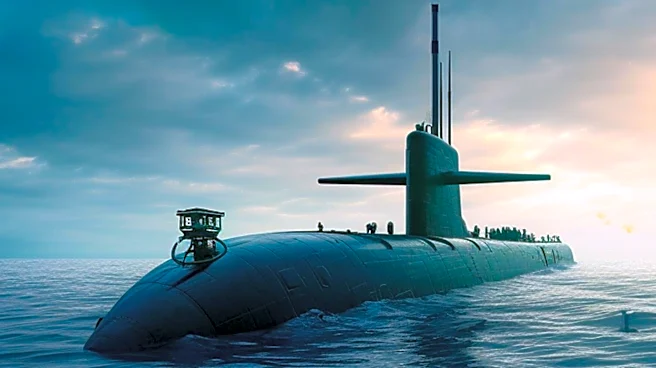
Amentum is actively recruiting a Principle Mechanical Engineer to join its team in China Lake, California. This role is critical for supporting U.S. Navy research and development facilities focused on top-priority submarine weapon system development programs.
The position is design-focused, covering the entire product lifecycle from initial concept development through hardware fabrication, installation, and on-site operation. The ideal candidate will possess deep expertise in mechanical systems design, structural analysis, and high-pressure fluid systems. Responsibilities include overseeing the design, development, and maintenance of mechanical systems, leading engineering teams, establishing engineering standards, and collaborating with various departments to meet project goals. The role requires a Bachelor's degree in Mechanical or Aerospace Engineering from an ABET-accredited institution and a minimum of 15 years of relevant experience. Proficiency in CAD and solid modeling software, along with strong communication skills, is also essential. The engineer will be involved in design reviews, vendor collaboration, and direct technical support during field installation and testing, working on mission-critical systems unique to the Department of Defense.
Why It's Important?
This recruitment highlights the ongoing commitment to advancing U.S. naval defense capabilities, particularly in submarine weapon systems. The development and maintenance of these systems are crucial for national security and maintaining a strategic advantage. The Principle Mechanical Engineer's role is pivotal in ensuring the performance, safety, and reliability of these complex mechanical systems, which directly impacts the operational effectiveness of the U.S. Navy's submarine fleet. The emphasis on a full product lifecycle approach, from design to field operation, underscores the need for robust and reliable engineering solutions in critical defense applications. Furthermore, the requirement for a U.S. government security clearance signifies the sensitive nature of the work and the importance of protecting classified information related to national defense technologies. The position also contributes to the local economy in China Lake, CA, by creating high-skilled employment opportunities within the defense sector.
What's Next?
Amentum will continue its search for a qualified Principle Mechanical Engineer to fill this critical role. The selected candidate will undergo a security clearance process, which is a prerequisite for working on U.S. government defense projects. Once onboard, the engineer will immediately begin contributing to the design, development, and maintenance of mechanical systems for submarine weapon systems. This will involve leading engineering teams, collaborating with cross-functional departments, and ensuring compliance with industry codes and organizational requirements. The ongoing work will support the U.S. Navy's research and development efforts, leading to advancements in submarine weapon technology. Future developments will likely include continued innovation in mechanical systems, further integration of advanced technologies, and rigorous testing to ensure the reliability and effectiveness of these critical defense assets.
Beyond the Headlines
The demand for highly specialized engineers in defense sectors, as exemplified by this Amentum role, points to a broader trend of continuous technological advancement and strategic investment in national security infrastructure. The focus on submarine weapon systems underscores the evolving nature of naval warfare and the need for sophisticated engineering to maintain a competitive edge. This position also highlights the intricate collaboration required between private contractors like Amentum and government entities such as the U.S. Navy. The emphasis on a full product lifecycle management suggests a holistic approach to engineering, where design considerations extend to manufacturing, installation, and long-term operational support. This integrated approach is vital for complex defense systems, where failure can have significant national security implications. The role also implicitly touches upon the importance of a skilled workforce in STEM fields to support critical national defense initiatives and technological superiority.