





What's Happening?
Fiji is actively investigating options to enhance regulatory controls on problematic and avoidable single-use plastic products. This initiative is part of a broader effort to prevent plastic pollution at its source and transition towards a more sustainable,
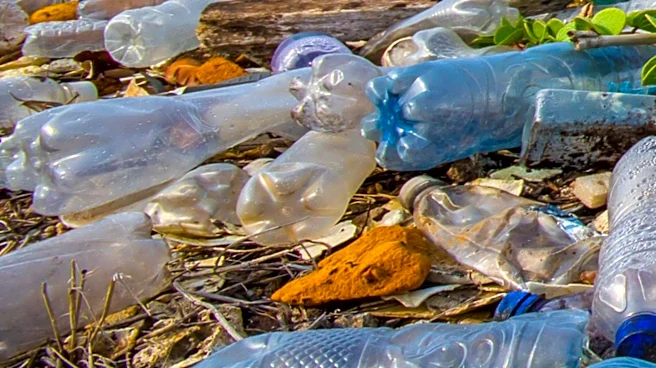
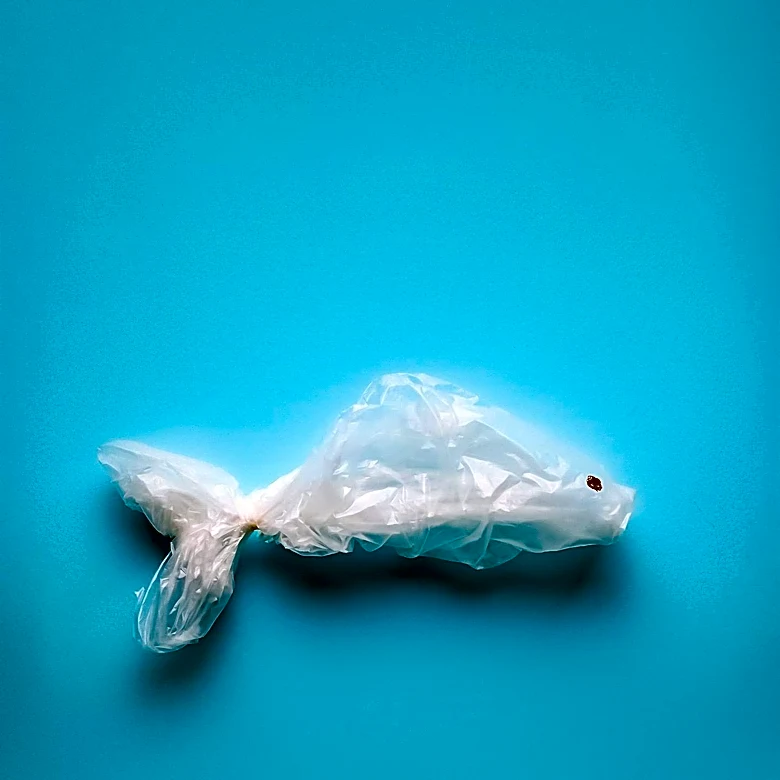
circular plastics economy. The Ministry of Environment and Climate Change (MECC), in collaboration with the Secretariat of the Pacific Regional Environment Programme (SPREP) and funded by the Australian Government's Pacific Ocean Litter Project (POLP), recently held a stakeholder workshop in Suva. This workshop brought together government agencies, technical experts, development partners, and key stakeholders to examine potential regulatory measures. These measures aim to reduce the importation and use of plastic products that pose risks to human health and the environment, especially where safer alternatives exist. Fiji, as a net importer of plastics, faces significant challenges in managing products and packaging manufactured elsewhere, with plastic pollution impacting communities, livelihoods, and the marine environment.
Why It's Important?
This move by Fiji is significant as it aligns with and supports international efforts to develop a legally binding instrument on plastic pollution, addressing plastics across their entire life cycle. The Pacific region has been a vocal advocate for stronger global action against plastic pollution. By strengthening its national systems and regulatory frameworks, Fiji is preparing to implement future commitments that will arise from the ongoing global plastics treaty negotiations. The workshop identified 41 plastic products for further assessment, including straws, plates, cups, cutlery, and confetti, and explored various regulatory options such as import restrictions, product bans, levies, and product stewardship measures. This proactive approach by a small island nation highlights the urgent need for global cooperation and national action to combat plastic pollution, setting a precedent for other nations to follow.
What's Next?
Fiji's next steps involve further engagement with industry and private sector stakeholders, a thorough assessment of suitable alternatives, regulatory impact analysis, and broader public consultations. The focus will be on ensuring that any proposed measures are practical, affordable, and responsive to the needs of households, small businesses, and maritime communities. This regulatory review is a crucial component of Fiji's commitment to the global plastics treaty negotiations, with the next formal round of international negotiations scheduled for March 2027. The outcome of Fiji's internal assessments and consultations will directly inform its position and capacity to implement future international agreements, potentially influencing the scope and ambition of the global treaty.
Beyond the Headlines
The discussions in Fiji underscore a critical global challenge: the disproportionate impact of plastic pollution on smaller nations, particularly those heavily reliant on marine ecosystems and tourism. While Fiji contributes minimally to global plastic production, it bears a heavy burden from pollution originating elsewhere. This situation highlights the ethical dimension of environmental responsibility, where major producers' actions have far-reaching consequences for vulnerable communities. The emphasis on locally available natural substitutes and the consideration of transition periods for businesses reflect an understanding that effective environmental policy must be equitable and economically viable. This approach could serve as a model for other developing nations seeking to implement stringent environmental protections while fostering sustainable economic growth.