



What's Happening?
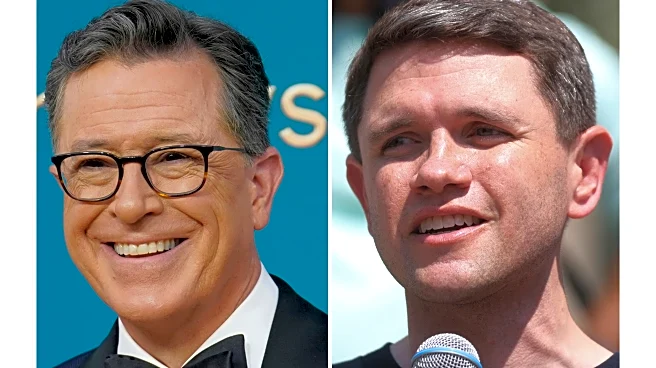
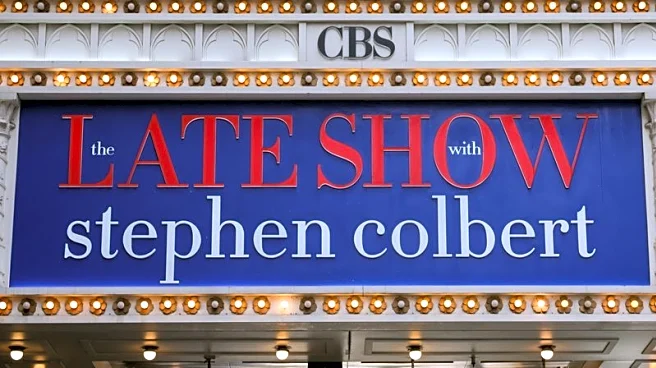
CBS has issued a statement clarifying that 'The Late Show' was not prohibited from broadcasting an interview with Texas state Representative James Talarico. The network explained that legal guidance was provided to the show, indicating that airing the interview could
trigger the FCC's equal-time rule, which requires equal broadcast time for other candidates, such as Rep. Jasmine Crockett. CBS suggested options for fulfilling this requirement, but 'The Late Show' opted to air the interview on its YouTube channel instead. This clarification comes after Stephen Colbert, the show's host, claimed on air that network lawyers had directly instructed him not to broadcast the interview. The situation arises as Talarico is running for the U.S. Senate in Texas, with the Democratic primary scheduled for March 3.
Why It's Important?
This incident highlights the complexities of broadcasting regulations during election periods, particularly the FCC's equal-time rule, which aims to ensure fair media access for all candidates. The decision by 'The Late Show' to move the interview to YouTube reflects the growing influence of digital platforms in political discourse, potentially bypassing traditional broadcast constraints. This situation underscores the challenges media outlets face in balancing legal compliance with editorial freedom, especially in politically sensitive contexts. The outcome could influence how other shows handle similar situations, impacting the visibility and reach of political candidates.
What's Next?
As the Democratic primary in Texas approaches, media coverage of candidates like James Talarico will likely intensify. CBS and other networks may need to navigate similar legal and ethical considerations when featuring candidates. The response from the FCC and other stakeholders could shape future media practices, particularly regarding the application of the equal-time rule. Additionally, the incident may prompt discussions about the role of digital platforms in political campaigns, potentially leading to new strategies for candidate engagement and audience reach.