





What's Happening?
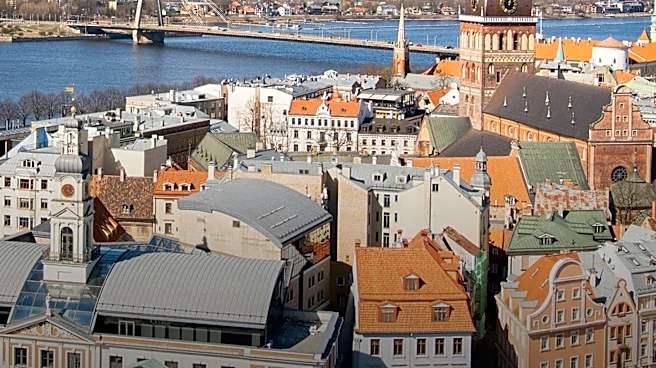
Latvia is experiencing a significant demographic shift, characterized by a projected population decline and an increase in the old-age dependency ratio. Economist Holger Zschaepitz highlighted that by 2050, Latvia's population is expected to decrease
by 20%, leaving it with approximately 1.5 million people. Concurrently, the old-age dependency ratio is anticipated to rise by 23 percentage points, while the pension replacement rate is expected to fall by 33 percentage points. This demographic trend poses a risk of increased old-age poverty and necessitates private retirement savings for the working population. The situation in Latvia is part of a broader regional trend affecting the Baltic states, with Lithuania and Estonia also facing population declines and aging populations. The European Commission's 2024 Ageing Report underscores these challenges, noting that the EU's population is expected to start declining from 2029, with significant impacts on Central and Eastern Europe.
Why It's Important?
The demographic changes in Latvia and the broader Baltic region have significant implications for economic and social stability. A shrinking workforce coupled with a growing number of retirees could strain public resources and social services, potentially leading to increased poverty among the elderly. The decline in the pension replacement rate suggests that future retirees may face financial insecurity, making private savings essential. These demographic shifts could also impact labor markets, economic growth, and the sustainability of social welfare systems. As the EU grapples with these challenges, the need for policy interventions to address aging populations and declining birth rates becomes increasingly urgent.