





What's Happening?
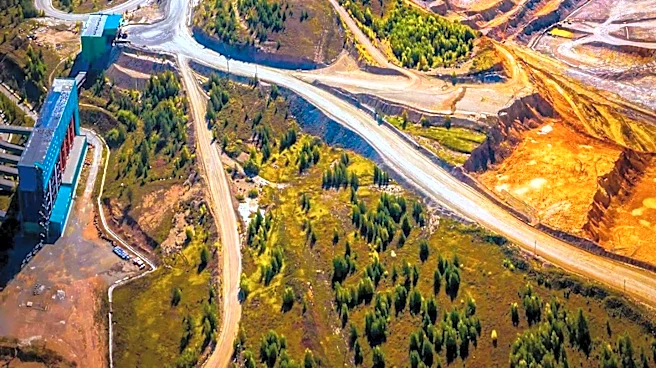
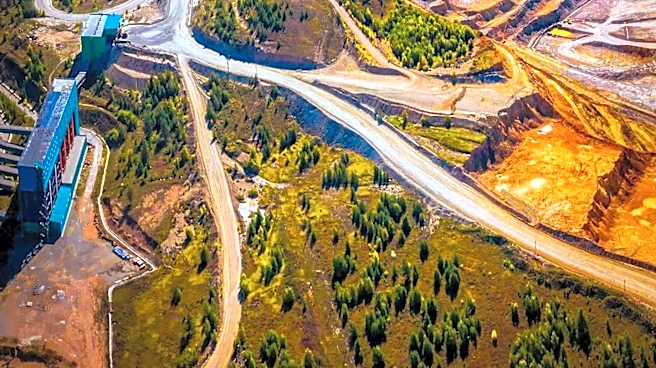
An investigative report co-published by Lighthouse and the Financial Times has uncovered that uranium from the Democratic Republic of Congo (DRC) has allegedly been secretly exported to China for over 20 years. This uranium, sourced from the Katanga region,
is reportedly being exported as a by-product of cobalt mining. The Shinkolobwe mine, which supplied uranium for U.S. nuclear weapons during World War II, is located in this region. Despite a ban on commercial uranium exports from the DRC, the report suggests that significant amounts of uranium have been shipped to China, contributing to the rapid expansion of China's nuclear arsenal. The Chinese mining company CMOC, which owns a major mine in the DRC, denies any violations or excessive uranium content in its exports.
Why It's Important?
The revelation of secret uranium exports from the DRC to China has significant geopolitical implications. It raises questions about the enforcement of international nuclear non-proliferation agreements and the transparency of global uranium trade. The alleged exports have reportedly enabled China to double its nuclear warhead count, potentially altering the balance of nuclear power. This situation underscores the challenges in regulating the extraction and export of strategic minerals, particularly in regions with weak governance. The findings could lead to increased scrutiny of Chinese mining operations in Africa and prompt calls for stricter international oversight of uranium trade.
What's Next?
The investigation may prompt international bodies, such as the International Atomic Energy Agency (IAEA), to conduct further inquiries into the uranium trade from the DRC. There could be diplomatic repercussions, with countries potentially seeking to address the issue through international forums. The DRC government might face pressure to tighten its export controls and improve transparency in its mining sector. Additionally, the findings could lead to increased regulatory scrutiny of Chinese mining companies operating in Africa, potentially affecting their operations and investments.