



What's Happening?
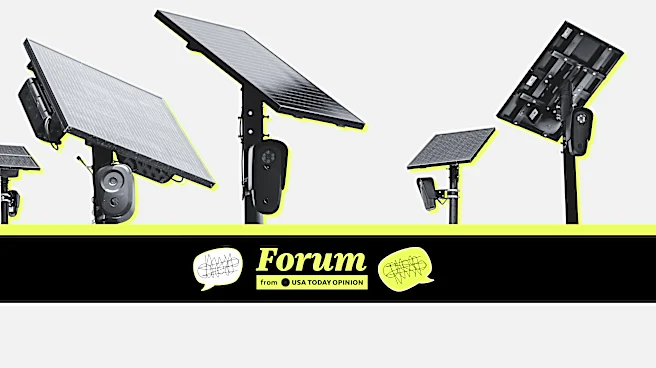
The United States Postal Service (USPS) is initiating a pilot program to equip mail carrier trucks with cameras that will continuously scan roads and signs, map roadways and sidewalks, and aim to enhance 'community safety.' This initiative, confirmed
by a letter posted by a labor union and a statement from the agency to 404 Media, leverages the extensive travel of postal vehicles to collect valuable data. The pilot program, which began on September 21 and is expected to last several months, involves installing these cameras in 100 vehicles operating in the Washington, D.C. area. The USPS is partnering with Next Base, a dashcam company, for this project. The cameras will be forward-facing, installed inside the trucks, and will start recording when the vehicle is in drive and away from the postal facility. The USPS has stated that the cameras will not obstruct the vehicle operator's field of vision and will not record audio. Existing USPS trucks already feature 360-degree cameras that capture external views for a period.
Why It's Important?
This pilot program represents a significant step in how the USPS might utilize its vast operational network for purposes beyond mail delivery. By collecting data on roadway conditions and community safety, the USPS could potentially contribute to urban planning, infrastructure maintenance, and public safety initiatives across the nation. The program's success could lead to a broader rollout, transforming mail trucks into mobile data collection units. This could offer a unique, cost-effective method for municipalities to gather real-time information on road hazards, signage issues, and sidewalk conditions, which are crucial for maintaining safe and efficient public spaces. However, the initiative also raises important considerations regarding data privacy and the scope of government surveillance, even with the stated privacy safeguards. The integration of such technology could set a precedent for how federal agencies leverage their existing assets for broader societal benefits, while also necessitating careful oversight to prevent potential misuse of collected data.
What's Next?
The USPS pilot program in Washington, D.C., is slated to continue for several months, during which the agency will assess the effectiveness of vehicle-mounted cameras in identifying roadway conditions and supporting community safety. The findings from this limited pilot will be crucial in informing any future decisions regarding the expansion of the program. Stakeholders, including labor unions and privacy advocates, will likely monitor the program's progress and its adherence to privacy safeguards. Depending on the pilot's outcomes, the USPS may decide to expand the program to other cities or even nationwide, potentially integrating the collected data with municipal services or other federal initiatives. Further discussions and policy developments regarding data ownership, access, and privacy protocols will be necessary if the program scales up, especially concerning the potential for this data to be shared with other entities or used for different purposes.
Beyond the Headlines
The deployment of cameras in USPS vehicles for 'community safety' extends beyond immediate data collection, touching upon deeper implications for public infrastructure and privacy. This initiative could redefine the role of the USPS, transforming it from solely a mail delivery service into a contributor to smart city infrastructure. The continuous scanning of roads and sidewalks by a federal entity raises questions about the balance between public safety enhancements and individual privacy rights, even with stated safeguards. The data collected, while intended for community safety, could potentially be used for other applications, prompting a need for robust governance and transparency. This development also highlights the increasing trend of leveraging existing public assets for technological advancements, blurring the lines between traditional government functions and modern data-driven services. The long-term societal impact will depend on how effectively the USPS manages data, ensures privacy, and communicates the benefits and limitations of such a widespread surveillance network.