



What's Happening?
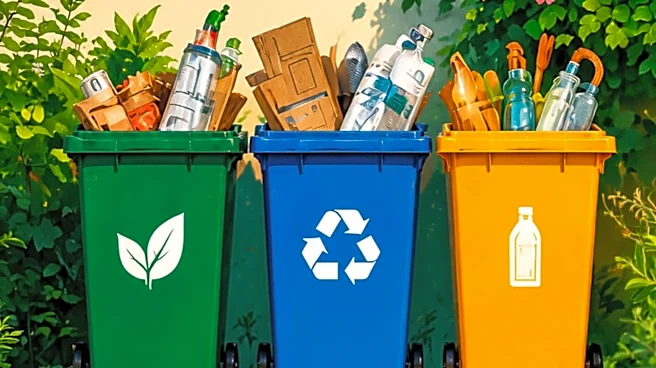
The City and County of Honolulu is expanding its Green Recycling Organic Waste (G.R.O.W.) program across Oʻahu, requiring all residents using gray, blue, and green bins to place food scraps into the green bin starting October 1. This initiative aims to divert
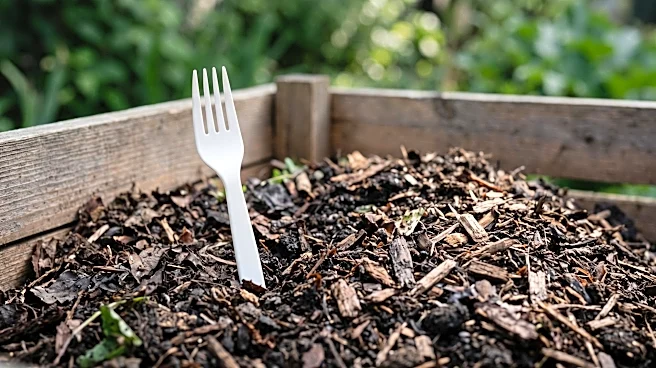
food waste from incineration and instead process it into compost. The program builds upon a pilot launched in six Oʻahu communities: Waipahu, Nānākuli, Hawaiʻi Kai, Mililani, Kailua, and Kalihi. Roger Babcock, director of the city’s Department of Environmental Services, clarified that acceptable items for composting include human food, plants, meat, bones, and shells, but exclude pet waste and liquids. The expansion seeks to increase resident participation in food waste separation, which was previously low, with a reported 15% participation rate during the pilot phase.
Why It's Important?
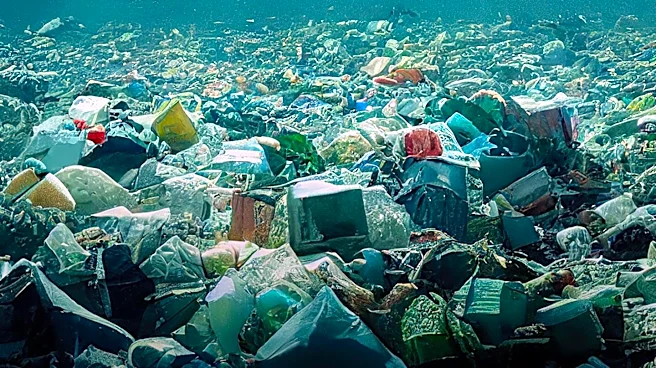
This expansion is a critical step for Oʻahu, which faces ongoing challenges with waste management and dwindling landfill space. By converting food waste into compost, the program directly reduces the volume of material sent to landfills and incinerators, mitigating environmental impact and extending the lifespan of existing waste disposal facilities. Increased composting can also produce valuable soil amendments, potentially benefiting local agriculture and landscaping. The success of the G.R.O.W. program hinges on widespread public participation, as low engagement could undermine its effectiveness. The initiative highlights the broader U.S. struggle with waste management and the need for innovative, community-based solutions to address environmental sustainability at a local level.
What's Next?
The City and County of Honolulu will continue to monitor participation rates and educate residents on proper food waste separation. Efforts will likely focus on improving the current 15% participation rate to achieve a more significant impact on waste reduction. Residents are encouraged to utilize the city’s website for additional resources and tips on what can be placed in the green bins, as well as information on blue bin recycling for glass, plastic, aluminum, and newspapers. Future steps may include further community outreach, educational campaigns, and potentially incentives to encourage greater adherence to the composting guidelines, as the program aims for near-universal participation to effectively address Oʻahu's waste challenges.
Beyond the Headlines
The G.R.O.W. program represents a shift in how urban centers approach waste, moving beyond simple disposal to resource recovery. This initiative could foster a greater sense of environmental responsibility among Oʻahu residents and potentially inspire similar programs in other U.S. cities grappling with waste management issues. The emphasis on composting food waste also touches upon the circular economy principles, where waste is viewed as a resource rather than an end product. The program's success could demonstrate the viability of large-scale municipal composting, influencing policy decisions and infrastructure investments in sustainable waste solutions nationwide. It also underscores the cultural and behavioral changes required for effective environmental programs, highlighting the importance of public engagement and education in achieving sustainability goals.