






What's Happening?
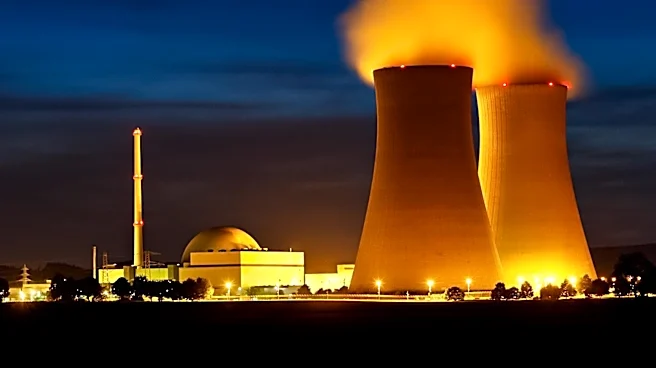
The community of Gillette, Wyoming, is currently engaged in discussions regarding a proposed nuclear fuel manufacturing facility. This facility, if approved, would be responsible for manufacturing nuclear fuel using enriched uranium, a process that has
raised concerns among some residents and experts. A recent letter to the editor in Oil City News highlighted that while TRISO fuel itself is considered durable, the manufacturing process involves distinct risks. These risks include uranium handling, criticality prevention, contamination, chemical hazards, worker safety, waste management, transportation, and emergency response. The letter referenced past incidents involving BWXT Nuclear Operations Group, the company proposing the facility, including a proposed civil penalty in 2023 for an overflow of uranium-bearing solution and a Severity Level III violation in 2024 concerning its criticality accident alarm system. These examples are cited to demonstrate that even experienced nuclear companies operating under federal regulation can experience serious safety failures.
Why It's Important?
The debate surrounding the proposed nuclear fuel manufacturing facility in Gillette carries significant implications for public safety, environmental protection, and economic development in Wyoming. The concerns raised about uranium handling, potential contamination, and worker safety directly impact the well-being of the local population and the environment. The financial stake for Wyoming residents is also considerable, as public resources, infrastructure, and long-term development are connected to the project. This necessitates a thorough public review to understand the materials handled, waste produced, water and electricity consumption, transportation methods, accident scenarios, emergency resources, and long-term costs. The outcome of this decision could set a precedent for how similar industrial projects are evaluated and regulated in other communities across the U.S., particularly those involving potentially hazardous materials and processes.
What's Next?
The proposed Wyoming project has not yet completed the Nuclear Regulatory Commission (NRC) licensing process. While BWXT has engaged in pre-application discussions with the NRC, a full site-specific review is still pending. This review will address critical aspects such as design, environmental impacts, safeguards, emergency planning, and operating requirements. The licensing process is intended to determine whether BWXT can meet the required standards for safe operation, rather than assuming safety in advance. Therefore, the next steps will involve the comprehensive evaluation by the NRC and continued public engagement and scrutiny from the Gillette community and other stakeholders. The public will likely continue to demand transparency and evidence-based conclusions before major commitments are made regarding the facility.
Beyond the Headlines
Beyond the immediate safety and regulatory concerns, the discussion in Gillette touches upon broader themes of technological advancement versus community risk, and the role of public oversight in complex industrial projects. The emphasis on 'due-diligence questions' rather than 'fear-based questions' highlights a desire for informed decision-making based on facts and evidence. This situation underscores the challenge of balancing potential economic benefits, such as job creation and industrial growth, with the imperative to protect public health and the environment. It also brings to light the ongoing tension between corporate interests and community concerns, and the critical need for robust regulatory frameworks and transparent processes to build public trust in the development of advanced industrial facilities.