






What's Happening?
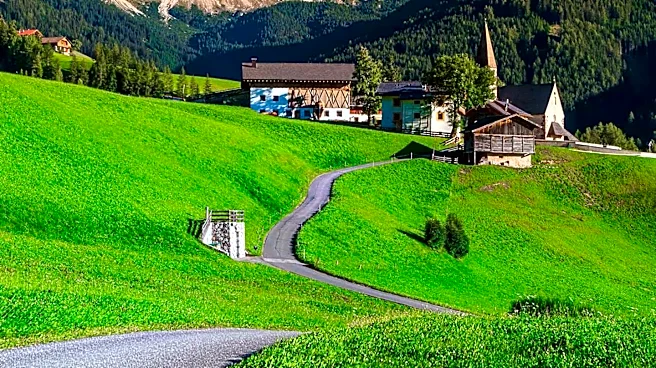
The Dolomiti region in Italy is currently facing significant overtourism, particularly during the autumn season. This surge is largely attributed to an influx of tourists from Southeast Asia, especially South Korea. Images of long queues on trails, such
as those in Val di Funes, highlight the extent of the crowding. Expert Kim HyunJin notes that South Korean tourists, having saturated traditional European destinations like Rome and Venice, are now seeking 'hidden gems.' This trend is amplified by Asian media, including television programs and web formats dedicated to the Dolomites, which have elevated the region to a cult destination. Social media further fuels this phenomenon, as visitors compete to explore and share content from lesser-known locations, leading to constant crowds and challenges in small mountain villages and previously less-traveled paths.
Why It's Important?
The overtourism in the Dolomiti region underscores a broader global challenge where popular destinations struggle to balance visitor growth with local quality of life and environmental sustainability. While the immediate impact is on the Dolomiti, this situation reflects how media and social trends can rapidly shift tourist flows, creating unexpected pressures on infrastructure and natural resources in previously quieter areas. For the U.S. tourism industry, this serves as a cautionary tale, highlighting the need for proactive strategies to manage visitor numbers, especially in national parks and unique natural landscapes that could similarly become 'cult destinations' through viral media. Uncontrolled tourism can lead to environmental degradation, strain local services, and diminish the authentic experience that initially attracts visitors, ultimately harming the long-term viability of these destinations.
What's Next?
Addressing the overtourism in the Dolomiti region will likely involve implementing strategies to manage visitor flows and protect the local environment. This could include measures such as limiting daily visitor numbers, promoting off-peak travel, or diversifying tourist attractions to distribute crowds more evenly. Local authorities may also need to invest in infrastructure improvements to accommodate the increased demand while preserving the natural beauty and cultural integrity of the area. Furthermore, there might be a push to educate tourists on responsible travel practices to minimize negative impacts. The situation could also prompt a re-evaluation of how media and social platforms influence travel decisions and whether collaborations with these platforms could help promote more sustainable tourism patterns.
Beyond the Headlines
The phenomenon of overtourism in the Dolomiti region reveals deeper implications regarding the commodification of natural landscapes and the influence of digital culture on global travel. The pursuit of 'exclusive content' for social media often prioritizes photographic opportunities over genuine engagement with the environment, potentially leading to a superficial tourist experience and increased pressure on fragile ecosystems. This trend raises ethical questions about the responsibility of media outlets and social media platforms in shaping travel behaviors. It also highlights the tension between economic benefits from tourism and the preservation of local heritage and resident well-being. The long-term shift could see destinations moving towards more regulated, experience-focused tourism models that prioritize sustainability and local community involvement over sheer visitor volume.