
What's Happening?
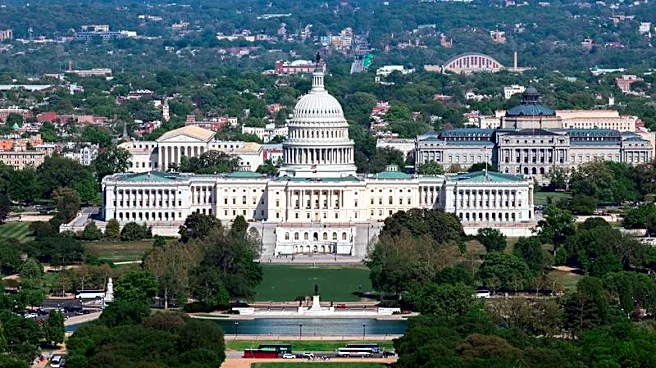
The U.S. House of Representatives has voted to extend the Foreign Intelligence Surveillance Act (FISA) Section 702 for three years. This program allows U.S. intelligence agencies to intercept electronic
communications of foreign nationals outside the U.S. The extension passed with a vote of 235 to 191, despite opposition from privacy-focused Republicans and some Democrats. The bill now moves to the Senate, where its future is uncertain due to disagreements over privacy protections and an attached provision banning Central Bank Digital Currency (CBDC). The program has been a point of contention, with debates over its impact on privacy rights and national security.
Why It's Important?
The extension of FISA Section 702 is crucial for U.S. national security, as it provides intelligence agencies with tools to monitor foreign threats. However, it raises significant privacy concerns, particularly regarding the incidental collection of American citizens' communications. The debate reflects broader tensions between security and privacy, with implications for civil liberties and government surveillance practices. The outcome of this legislative process could influence future surveillance policies and the balance between national security and individual rights. The inclusion of the CBDC provision adds complexity, as it addresses concerns about financial privacy and government oversight.
What's Next?
The Senate will now consider the bill, with potential modifications or rejections of the CBDC provision. Senate Majority Leader John Thune has expressed opposition to the provision, suggesting possible amendments. The Senate's decision will determine whether the bill is returned to the House or if a temporary extension is enacted to allow further negotiations. The outcome will impact the future of U.S. surveillance practices and the ongoing debate over privacy and security. Stakeholders, including privacy advocates and national security officials, will closely monitor the Senate's actions and their implications for FISA reform.