






What's Happening?
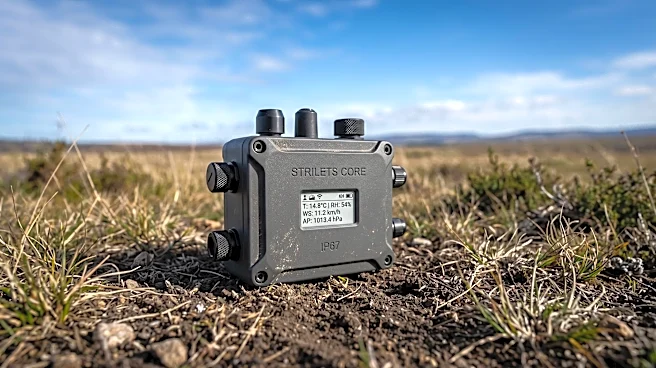
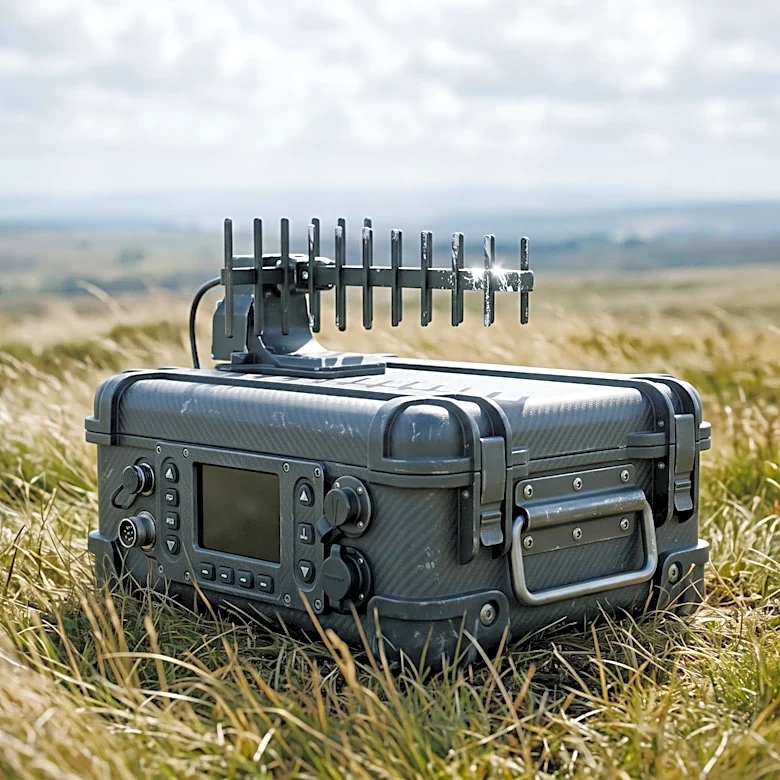
The Ukrainian electronic warfare (EW) system known as 'Lima' is causing widespread GPS signal disruptions, leading civilian navigation devices to incorrectly pinpoint locations, often in Lima, Peru. This system, developed by Ukrainian company Cascade
Systems in collaboration with the military unit 'Night Watch,' generates electromagnetic interference to disorient Russian missiles and drones. Initially, 'Lima' jammed signals, but later versions were programmed to spoof GPS coordinates, causing devices to display specific false locations. The situation escalated in August 2025 with the deployment of an advanced version, 'Lima Quant,' in Kyiv, creating a 'dome' of electromagnetic interference. This has resulted in taxi apps plotting routes through South America, fitness watches tracking runs in Peru, and dating apps showing users in Lima, Belarus, or even the Democratic Republic of the Congo. Despite the inconvenience to civilians, the military deems the system's benefits in diverting Russian munitions to outweigh the collateral damage, especially given the shortage of Patriot interceptor missiles.
Why It's Important?
The widespread GPS disruptions caused by the 'Lima' system highlight the dual-use nature of electronic warfare technologies and their significant impact on civilian life during conflict. While crucial for national defense against advanced weaponry like cruise missiles and drones, such systems can inadvertently affect essential civilian services and daily activities that rely on accurate GPS data. This situation forces civilians to adapt by using alternative navigation methods like paper maps and offline apps, underscoring the fragility of modern infrastructure dependent on satellite technology. The military's prioritization of defense over civilian convenience reflects the severe threats faced, illustrating the difficult trade-offs made in wartime. The effectiveness claims, such as diverting over 30 cruise missiles and 10,000 drones in three months, if independently verifiable, demonstrate the critical role of EW in modern warfare and its potential to mitigate damage from sophisticated attacks.
What's Next?
As the conflict continues, the use of electronic warfare systems like 'Lima' is likely to persist, meaning civilians in affected areas will continue to experience GPS disruptions. There may be ongoing efforts to refine these systems to minimize civilian impact, though the primary objective will remain military effectiveness. The Ukrainian Verkhovna Rada is considering legislation to allow rapid deployment of EW systems on any land plots, indicating a strategic commitment to expanding such capabilities. This could lead to more widespread or intensified GPS interference. Furthermore, the development of countermeasures by civilian technology providers to mitigate the effects of jamming and spoofing could accelerate. The long-term implications include a potential shift in civilian reliance on GPS, fostering the development and adoption of more resilient navigation technologies or a greater acceptance of offline alternatives.
Beyond the Headlines
The 'Lima' system's impact extends beyond immediate navigation issues, touching upon broader ethical and societal implications. The deliberate spoofing of GPS signals, even for defensive purposes, raises questions about the integrity of global navigation systems and the potential for misuse or unintended consequences in other contexts. It highlights the increasing blurring of lines between military and civilian technological domains in modern warfare. The humorous, yet frustrating, anecdotes of cars reporting oil changes due to perceived long-distance travel to Peru underscore the deep integration of GPS into everyday technology and the unexpected ways its disruption can manifest. This situation could also spur innovation in alternative positioning, navigation, and timing (PNT) technologies that are less susceptible to jamming, potentially leading to a more robust and diversified global navigation infrastructure in the future.