





What's Happening?
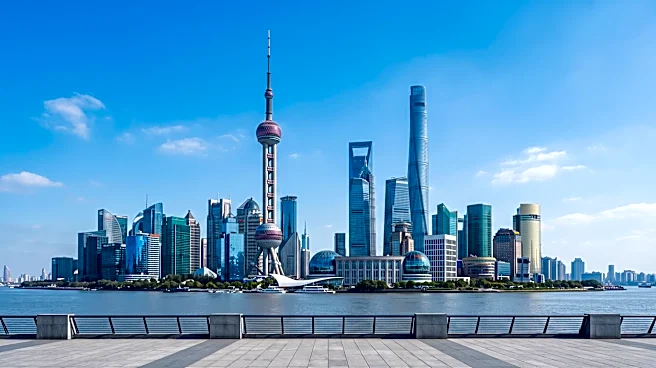
Travelers entering Shanghai, China, must adhere to stringent regulations regarding the import of personal medications. Chinese law categorizes certain common Western drugs, such as ADHD stimulants (e.g., Adderall, Ritalin), opioids (including codeine),
and all cannabis-derived products (like CBD oil), as either banned or restricted. For instance, amphetamine and methylphenidate classes are not importable under any personal-use exception, and foreign prescriptions do not alter this status. Codeine, often found in over-the-counter medicines in Western countries, is a controlled substance in China. Pseudoephedrine, a common decongestant, is also controlled due to its use as a methamphetamine precursor. Benzodiazepines (e.g., Xanax, Valium) are restricted and require specific documentation for small quantities. Conversely, many common medications like insulin, asthma inhalers, EpiPens, blood pressure tablets, and SSRIs are generally permitted for personal use in reasonable quantities, provided they are in original packaging with clear labels. The Chinese government does not provide a simple traveler-facing list of permitted drugs, instead applying domestic narcotics control regulations to items brought into the country.
Why It's Important?
These strict medication import rules are crucial for U.S. travelers to understand, as non-compliance can lead to confiscation, questioning, and significant disruption to their trip. The discrepancy between U.S. and Chinese drug classifications means that medications legally obtained and commonly used in the U.S. may be illegal or heavily restricted in China. This impacts individuals with chronic conditions requiring specific medications, potentially forcing them to alter treatment plans or risk legal issues. The lack of a clear, publicly accessible list of permitted drugs from Chinese authorities places the onus on travelers to proactively research and confirm the legality of their medications, often requiring consultation with the Chinese embassy. For U.S. citizens, this highlights the importance of thorough pre-travel planning, including obtaining official documentation and considering alternative treatment options or local procurement for permitted drugs, which are often cheaper in Shanghai pharmacies. Failure to prepare can result in medical emergencies or legal complications, underscoring the need for awareness and adherence to international travel regulations.
What's Next?
Travelers planning to visit Shanghai should initiate inquiries about their medications well in advance, ideally several months before their trip. This includes contacting the Chinese embassy or consulate for written confirmation regarding controlled substances. For restricted medications, individuals must gather comprehensive documentation: original packaging with pharmacy labels matching their passport name, a photocopy of the prescription, and a doctor's letter on letterhead detailing the medication, dosage, and purpose for personal use during travel. A Chinese translation of the doctor's letter is highly recommended for restricted items to facilitate customs clearance. Upon arrival, travelers carrying restricted medications should use the 'red channel' to declare their items and present all documentation. For common, unrestricted medications, the 'green channel' is appropriate, but keeping them in original packaging in carry-on luggage is advised. In case of medication needs during the trip, Shanghai offers a robust pharmacy network with Western and traditional Chinese medicines, and international clinics are available for prescriptions, though these can be costly.
Beyond the Headlines
The disparity in drug classification between China and Western countries like the U.S. reflects differing legal frameworks and cultural approaches to medicine. China's stringent control over substances like codeine and pseudoephedrine stems from concerns about their potential for abuse or use in illicit drug manufacturing, a perspective that may not align with their over-the-counter availability in other nations. The absolute prohibition of cannabis-derived products, including CBD, underscores China's zero-tolerance policy towards cannabis, regardless of THC content or legality elsewhere. This situation highlights a broader challenge in international travel: the need for travelers to navigate complex and often opaque legal systems that can significantly impact personal freedoms and health. It also emphasizes the limitations of foreign prescriptions in a sovereign legal context, where local laws always take precedence. The emphasis on original packaging and detailed documentation points to a bureaucratic approach designed to prevent illicit drug trafficking while accommodating legitimate medical needs, albeit with a high burden of proof on the individual traveler.