









What's Happening?
The U.S. Department of Transportation (DOT) is backing a significant renovation of New York City's Penn Station, a project that has been in the works for decades. Architect Vishaan Chakrabarti, founder of the Practice for Architecture and Urbanism (PAU),
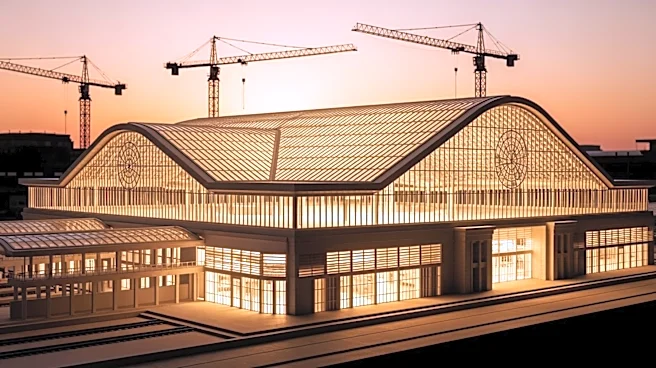
will oversee the renovation, which is expected to begin construction in 2027. The project aims to transform Penn Station, one of the busiest transit hubs in the Western Hemisphere, handling over 600,000 daily riders. The renovation plans include a new light-filled train hall, expanded entry points, improved accessibility, and modernized fire safety systems. Despite the progress, the project has faced criticism from New York lawmakers over transparency issues regarding costs and stakeholder involvement.
Why It's Important?
The renovation of Penn Station is crucial for improving the infrastructure of one of the most congested transit hubs in the United States. The project is expected to enhance passenger movement and safety, addressing long-standing issues of overcrowding and outdated facilities. The renovation is also significant for its potential economic impact, as it is projected to cost around $8 billion, with funding from federal grants, loans, and private financing. This investment could stimulate job creation and economic activity in the region. However, the lack of transparency and stakeholder involvement could pose challenges, potentially affecting public support and the project's timeline.
What's Next?
The renovation project is currently in the predevelopment agreement stage, with initial designs being refined and undergoing federal review. The agreement is expected to be executed in June and July. As the project progresses, it will be important for the DOT and other stakeholders to address the concerns raised by lawmakers to ensure transparency and collaboration. The project's success will depend on effective coordination among federal, state, and local entities, as well as private partners involved in the renovation.
Beyond the Headlines
The Penn Station renovation highlights broader issues in U.S. infrastructure investment, particularly the historical underinvestment in rail systems compared to airports and highways. The project also reflects a shift in urban planning priorities, emphasizing the importance of creating dignified and efficient public spaces. The decision to retain Madison Square Garden above the station, rather than relocating it, marks a significant change in approach, focusing on optimizing existing structures rather than pursuing more disruptive alternatives.