









What's Happening?
NASA has released a draft Request for Proposals (RFP) aimed at U.S. companies interested in developing privately operated space stations in low-Earth orbit. This document is crucial as it outlines NASA's expectations and requirements for these private entities.
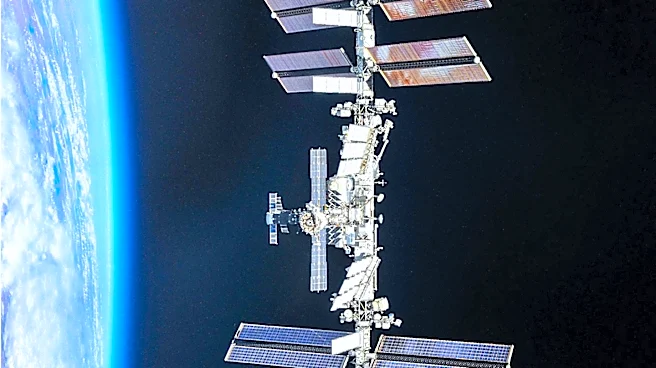
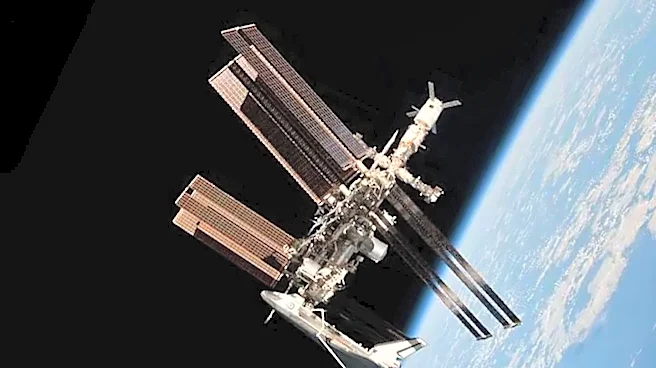
The urgency stems from NASA's plan to retire the International Space Station (ISS) by 2030, with a possible two-year extension. The agency is keen to avoid any gap in human presence in orbit, which has led to significant pressure on the timeline for developing new space stations. Previously, NASA awarded funding to three companies to develop space station concepts and provided $140 million to Axiom Space. These efforts are part of a phased program to transition to private space stations, but progress has been delayed due to funding issues and changes in directives.
Why It's Important?
The release of the draft RFP is a pivotal step in ensuring the U.S. maintains a continuous human presence in space, which is vital for scientific research, international collaboration, and maintaining leadership in space exploration. The transition to private space stations represents a significant shift in how space operations are conducted, potentially leading to increased innovation and reduced costs. This move could also stimulate the commercial space industry, creating new business opportunities and jobs. However, the success of this transition depends on adequate funding and clear guidelines, which the draft RFP aims to provide. The involvement of private companies could lead to more diverse and sustainable space operations, benefiting both the U.S. economy and its strategic interests in space.
What's Next?
Following the release of the draft RFP, private companies will need to review the document and prepare their proposals. NASA will likely evaluate these proposals to select one or two companies for further funding and development. The timeline for these developments is tight, given the planned retirement of the ISS. Stakeholders, including Congress, will need to ensure that sufficient funding is allocated to support this transition. Additionally, NASA may need to provide further guidance or adjust its plans based on the responses from the private sector. The success of this initiative will depend on effective collaboration between NASA, private companies, and legislative bodies.