
What's Happening?
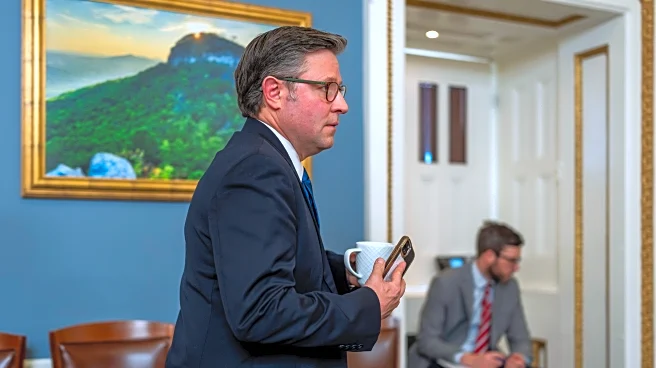
The House Oversight Committee, led by Chairman James Comer, is proceeding with contempt of Congress charges against former President Bill Clinton after he failed to appear for a subpoenaed deposition related
to the Jeffrey Epstein investigation. The Clintons have criticized the subpoenas as partisan politics, arguing that they have no relevant information to provide. The committee's decision follows bipartisan support for the subpoenas, and if the full House approves the contempt resolution, it could lead to a referral to the Justice Department for prosecution.
Why It's Important?
This development highlights the ongoing political tensions surrounding the Epstein investigation and the use of congressional subpoenas. The potential contempt charges against a former president underscore the seriousness with which the committee is pursuing its inquiry. The situation could have broader implications for congressional oversight powers and the legal obligations of former government officials. It also reflects the contentious political climate in Washington, where partisan divides often influence legislative and investigative actions.
What's Next?
If the House votes to hold Clinton in contempt, the case will be referred to the Justice Department, which will decide whether to pursue prosecution. This could lead to a legal battle with significant media coverage and political ramifications. The Clintons have indicated their readiness to fight the charges, potentially prolonging the dispute. The outcome could set a precedent for how Congress handles similar cases in the future, affecting the balance of power between legislative oversight and executive privilege.