


What's Happening?
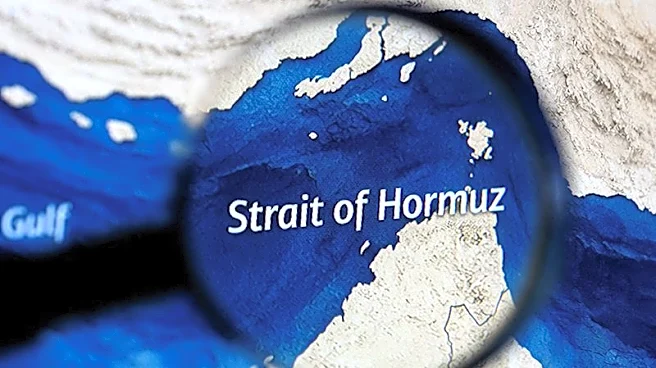
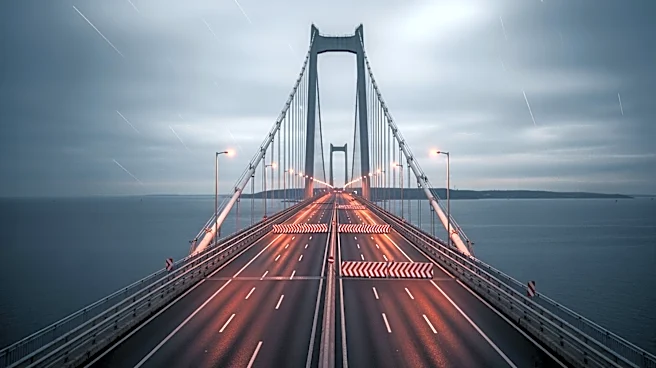
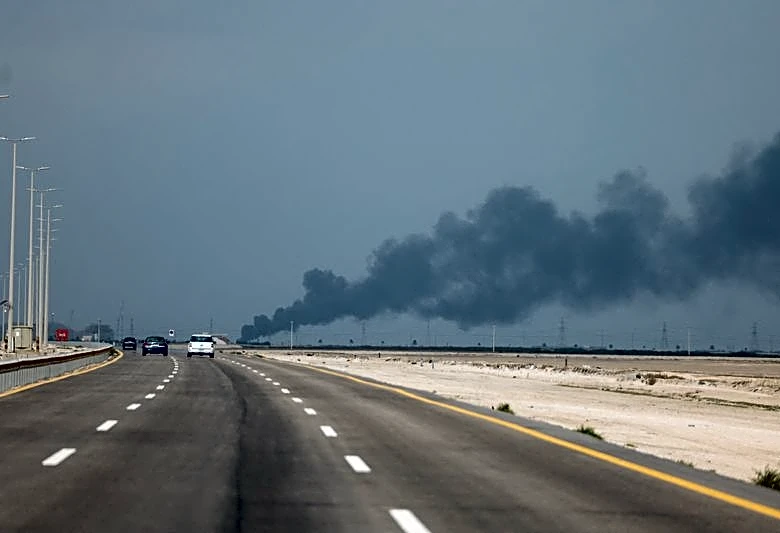
Saudi Arabia has closed the King Fahd Causeway, the only road linking it to Bahrain, following Iranian missile strikes on its Eastern Province. This action comes as President Trump’s deadline for Iran to reopen the Strait of Hormuz nears. Trump has threatened
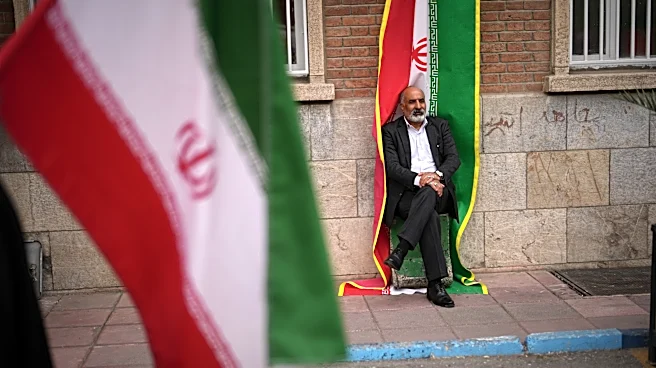
to bomb Iran's power plants and bridges if the strait is not reopened by the deadline. Iran has responded by urging its youth to form human chains around power plants to protect them. The closure of the bridge is a precautionary measure against further Iranian attacks targeting the Eastern Province. The geopolitical tension has led to a significant increase in oil prices, with Brent crude trading above $111 per barrel.
Why It's Important?
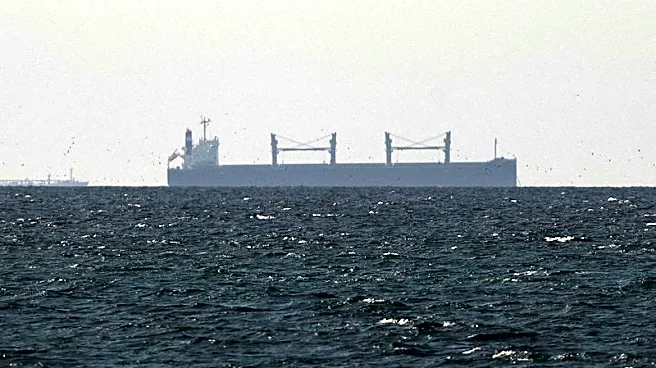
The closure of the King Fahd Causeway and the ongoing conflict between Iran and its Gulf neighbors have significant implications for global oil markets and regional stability. The Strait of Hormuz is a critical chokepoint for global oil shipments, and its closure has already caused oil prices to surge, impacting economies worldwide. President Trump's threats to target civilian infrastructure in Iran have raised concerns about potential war crimes, drawing international criticism. The situation underscores the fragile nature of Middle Eastern geopolitics and the potential for escalation into broader conflict, which could further disrupt global energy supplies and economic stability.
What's Next?
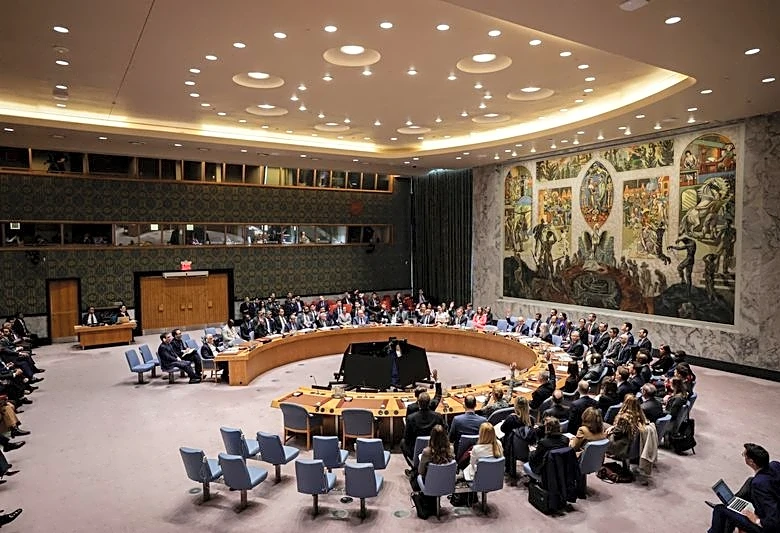
As the deadline set by President Trump approaches, diplomatic efforts continue to find a resolution to the conflict. Despite Iran's rejection of a ceasefire proposal, negotiations are ongoing. The international community, including the United Nations, has warned against attacks on civilian infrastructure, emphasizing the need for de-escalation. The situation remains tense, with potential for further military actions and retaliations. The outcome of these negotiations and the actions taken by major stakeholders will be crucial in determining the future stability of the region and the global oil market.
Beyond the Headlines
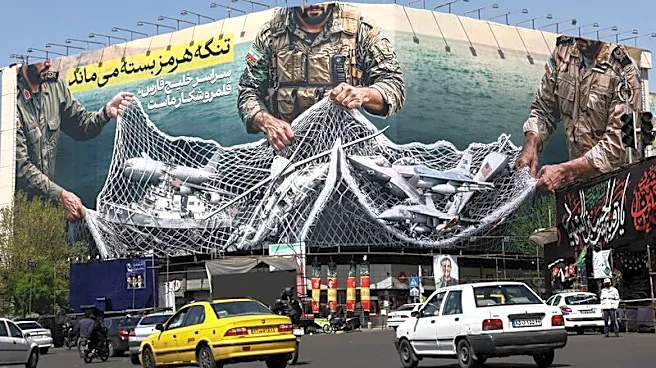
The conflict highlights the complex interplay of regional power dynamics, with Iran asserting its influence over strategic waterways and challenging U.S. and Israeli military actions. The call for Iranian youth to protect power plants reflects a nationalistic response to external threats, emphasizing the cultural and political dimensions of the conflict. The situation also raises ethical questions about the use of military force against civilian infrastructure and the potential humanitarian impact on affected populations. Long-term, the conflict could reshape alliances and power structures in the Middle East, influencing global geopolitical strategies.