



What's Happening?
Texas Agriculture Commissioner Sid Miller has introduced a plan aimed at safeguarding prime farmland from the encroachment of data centers. The proposal suggests the creation of Agriculture Freedom Zones (AFZs), which would direct development to areas
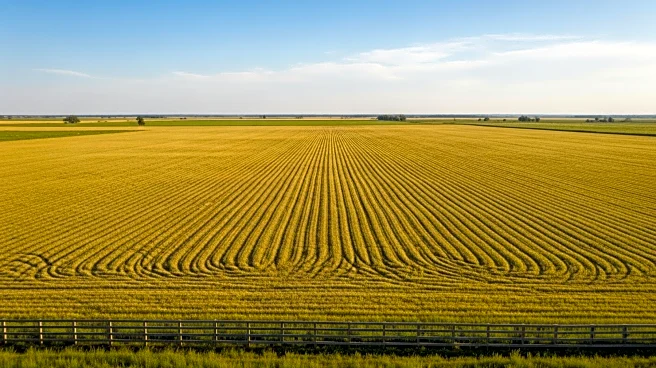
less suitable for agriculture, thereby preserving vital food production resources. Miller's plan addresses the growing concern that the expansion of data centers onto agricultural land poses a significant threat to the state's and nation's food and water supply. The initiative seeks to balance the need for technological infrastructure with the preservation of agricultural resources by offering targeted tax incentives to steer development away from prime farmland.
Why It's Important?
The proposal by Commissioner Miller is significant as it addresses the critical issue of land use in the context of technological expansion. As the AI and data industries continue to grow, they increasingly compete with agricultural interests for land and water resources. By establishing AFZs, the plan aims to ensure that food production remains a priority, which is crucial for long-term food security and economic stability. The initiative also highlights the need for strategic planning in land use to prevent irreversible loss of productive farmland, which could lead to higher food prices and increased pressure on remaining agricultural resources.
What's Next?
If implemented, the Agriculture Freedom Zones would require states to nominate eligible areas for development, which would then be approved by state or federal authorities. These zones could benefit from various tax incentives, encouraging investment in less agriculturally valuable land. The proposal may prompt discussions among policymakers, agricultural stakeholders, and technology companies about the best ways to balance technological growth with agricultural preservation. The success of this initiative could serve as a model for other states facing similar challenges.