



What's Happening?
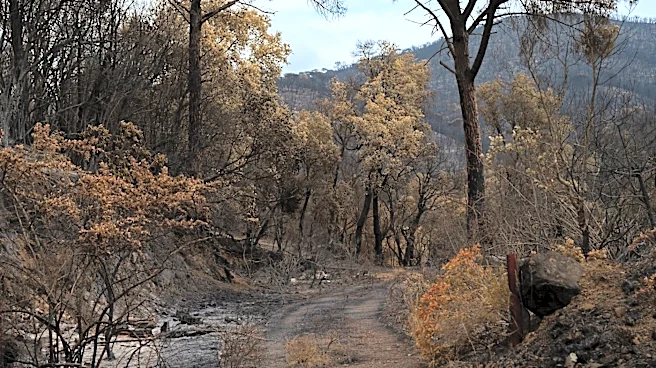
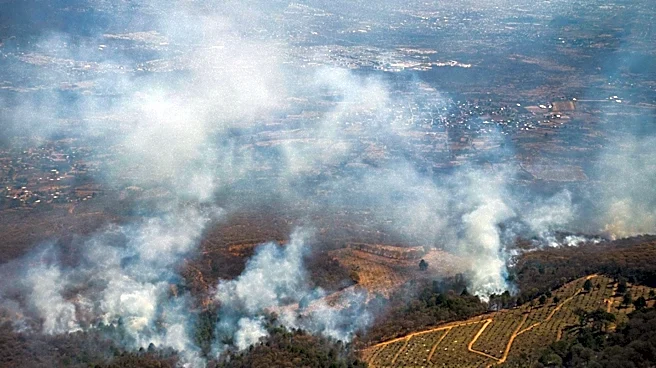
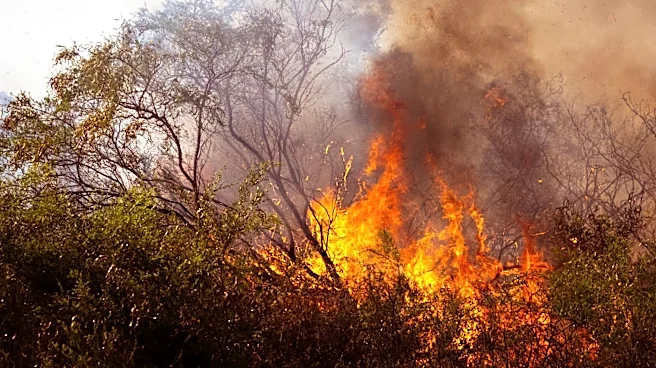
Firefighters are actively battling the Hagen and Paradise fires, which continue to be highly active, particularly in the Low Ridge Creek and Mill Creek drainages. The situation is exacerbated by forecasts of stronger winds and continued hot, dry conditions,
with temperatures in Walla Walla expected to approach 100 degrees Fahrenheit and humidity dropping to 13-17%. For the Paradise Fire, crews are focused on protecting critical infrastructure, including the Mill Creek water intake, local utilities, and communication sites. They are also working to hold, improve, and monitor firelines along the eastern and southern flanks, preventing spread near Forest Roads 64 and 65. The Hagen Fire shows increased heat along its west and north edges, with firefighters locating and mopping up hot spots and monitoring unburned areas. Heavy equipment used for fuel breaks is being removed as a safety precaution ahead of the anticipated winds.
Why It's Important?
The ongoing Hagen and Paradise fires pose significant threats to communities and natural resources in Northeastern Oregon and the Columbia Basin. The protection of the Mill Creek watershed is critical, as it supplies water to surrounding communities, making its safeguarding a top priority. The fires' proximity to local utilities and communication sites highlights the potential for widespread disruption to essential services, impacting residents and businesses. The challenging weather conditions, including high temperatures and strong winds, increase the risk of rapid fire spread and make containment efforts more difficult and dangerous for firefighters. This situation underscores the growing impact of climate-related events on U.S. infrastructure, public safety, and natural ecosystems, demanding substantial resources and coordinated emergency responses.
What's Next?
Firefighters are preparing for an even more active fire day due to the forecasted stronger winds and continued hot, dry conditions. Their immediate focus will remain on holding existing firelines, protecting critical infrastructure, and mopping up hot spots. The removal of heavy equipment from the Hagen Fire area indicates a strategic shift to prioritize safety in anticipation of the winds. Residents in affected areas should remain vigilant and follow evacuation orders or advisories. Long-term, these fires will likely prompt further discussions and investments in wildfire prevention, mitigation strategies, and resource management in fire-prone regions of the U.S., especially given the increasing frequency and intensity of such events.
Beyond the Headlines
The Hagen and Paradise fires are symptomatic of a broader trend of escalating wildfire activity across the Western U.S., driven by climate change, prolonged droughts, and forest management practices. Beyond the immediate destruction, these fires have long-term ecological consequences, including habitat loss, soil erosion, and altered hydrological cycles. The economic impact extends beyond property damage to include costs associated with firefighting, emergency services, and potential losses in tourism and timber industries. Socially, communities face displacement, health issues from smoke exposure, and the psychological toll of living under constant threat. This ongoing crisis necessitates a comprehensive national strategy that integrates climate adaptation, sustainable land management, and robust emergency preparedness to build resilience against future wildfires.