



What's Happening?
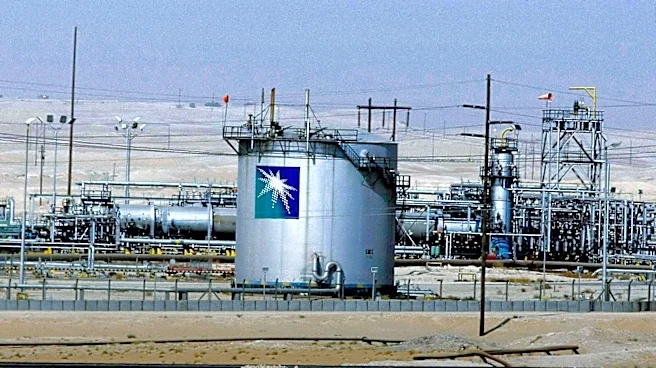
Iraq is experiencing a severe financial crisis due to a significant decline in oil revenues, exacerbated by disruptions in the Strait of Hormuz. The Iraqi government is struggling to meet its financial obligations, including the payment of salaries to civil
servants and social welfare beneficiaries. The crisis has led to delays in salary disbursements, impacting the daily lives of many citizens. The government has acknowledged the financial distress and is considering austerity measures, including reducing spending and potentially borrowing domestically and externally. The situation highlights the fragility of Iraq's economy, heavily reliant on oil exports.
Why It's Important?
The financial crisis in Iraq underscores the vulnerabilities of economies that are heavily dependent on a single resource, such as oil. The situation has significant implications for the country's stability and the well-being of its citizens, as delayed salaries and rising living costs strain households. The crisis also highlights the geopolitical risks associated with key trade routes like the Strait of Hormuz. For the U.S., the situation in Iraq is of interest due to its strategic importance in the Middle East and the potential for increased instability in the region, which could affect global oil markets and international relations.
What's Next?
Iraq may need to implement austerity measures and seek financial assistance to manage the crisis. The government is likely to explore alternative revenue sources and economic diversification strategies to reduce reliance on oil. International stakeholders, including the U.S., may engage in diplomatic efforts to support Iraq's economic stability. The situation could also prompt discussions on regional cooperation to ensure the security of trade routes like the Strait of Hormuz, which are vital for global energy supplies.