



What's Happening?
Democrats have escalated their demands for Immigration and Customs Enforcement (ICE) reform by tying it to the funding of the Department of Homeland Security (DHS), which also includes the Transportation Security Administration (TSA). This move has transformed
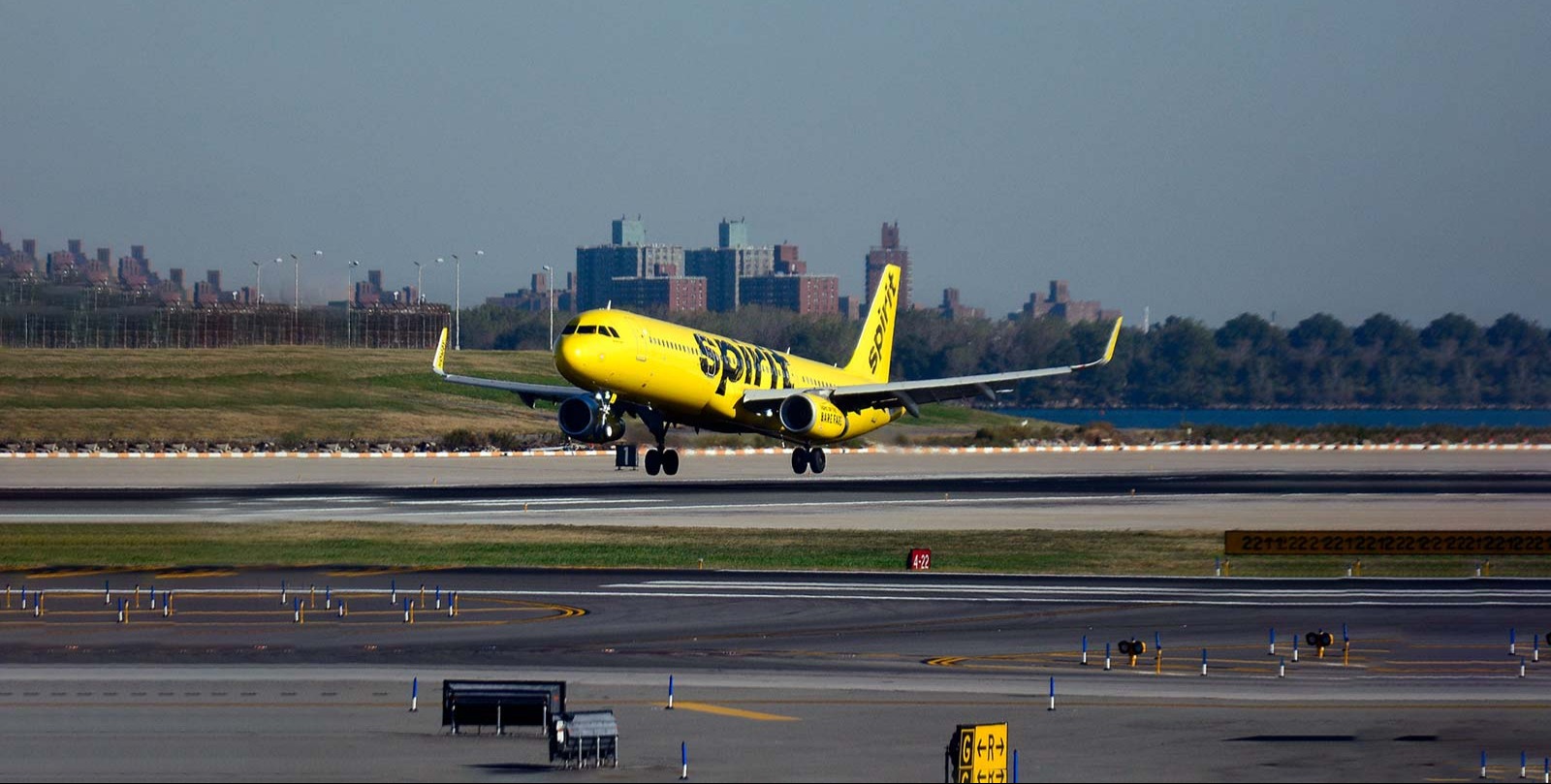
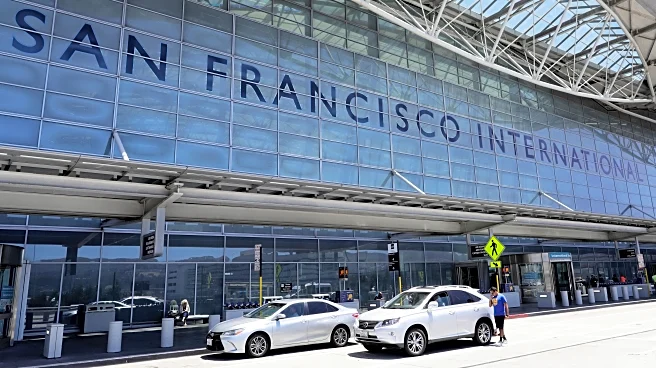
a political argument into a legislative standoff. The Democrats attempted to fund TSA independently to protect airport security from the broader immigration enforcement debate, but Republicans refused to separate the issues. As a result, TSA workers began missing paychecks, leading to increased absenteeism and staffing shortages. This has caused longer lines and delays at airports, affecting travelers nationwide. The Trump administration has reframed the issue from ICE misconduct to government dysfunction, using ICE agents to fill gaps in airport security, which has complicated the Democrats' position.
Why It's Important?
The standoff over ICE reform and TSA funding has significant implications for U.S. politics and public policy. The Democrats' strategy to link ICE reform with DHS funding has led to a broader debate about government functionality and accountability. The situation highlights the challenges of balancing moral and legal arguments with practical governance realities. The disruption at airports has shifted public perception, with travelers experiencing the direct impact of the political impasse. This has put pressure on Democrats, who are now seen as contributing to the dysfunction, despite their initial focus on ICE accountability. The issue underscores the complexities of legislative negotiations and the potential for political strategies to backfire when they lead to widespread public inconvenience.
What's Next?
The standoff is expected to continue as Democrats push for major ICE reforms, including warrant requirements and clearer identification for agents. The Trump administration has rejected proposals to fund DHS without ICE, insisting on additional demands such as the SAVE America Act. TSA has warned that airport chaos will persist unless DHS is fully funded. The situation may lead to further negotiations, but the path to resolution remains uncertain. Both parties face pressure to address the immediate disruptions while also considering long-term immigration policy reforms. The outcome of this standoff could influence future legislative strategies and the political landscape ahead of upcoming elections.
Beyond the Headlines
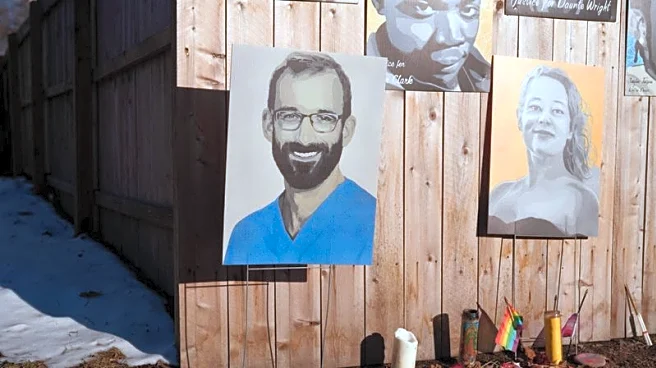
The deeper implications of this standoff involve the ongoing debate about the role and accountability of federal agencies like ICE. The Minnesota shootings have raised questions about ICE's conduct and oversight, which remain unresolved. The Democrats' attempt to address these issues through legislative means reflects a broader pattern of prioritizing moral and legal arguments. However, the practical challenges of governance and the need for compromise highlight the difficulties in achieving meaningful reform. The situation also illustrates the potential for political narratives to shift quickly, affecting public perception and the ability of parties to maintain control over the discourse.