







What's Happening?
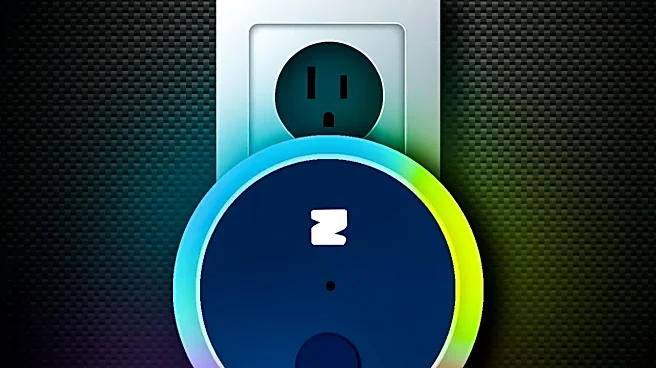
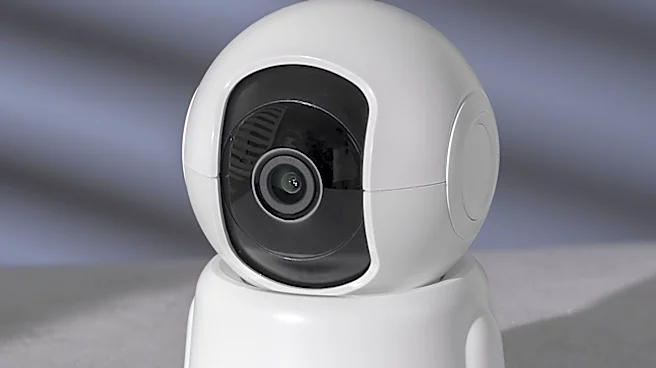
Xfinity has launched WiFi Motion, an opt-in feature that allows compatible home routers to detect activity within a residence without relying on cameras, microphones, or traditional security sensors. This technology works by identifying changes in WiFi signals
between the gateway, extenders, and connected devices. When a person, pet, or object moves through these signals, the system logs an activity event and can send in-app alerts to the user. Users can customize settings, including selecting specific areas for monitoring, adjusting sensitivity, and reviewing activity history. The system offers Home Watch, Away Watch, and Dark Watch modes. While it can reduce alerts from small pets, it cannot reliably distinguish between people, children, or larger animals. Xfinity, through its parent company Comcast, reserves the right to share WiFi Motion data with third parties if legally mandated, such as during police investigations or legal orders. The feature is off by default and must be manually enabled or disabled via the Xfinity app.
Why It's Important?
This development is significant for the home security market and consumer privacy in the U.S. It introduces a new, camera-free method for activity detection, potentially appealing to consumers concerned about visual surveillance. However, the inability to differentiate between people and animals, coupled with the lack of external monitoring or emergency response, means it cannot fully replace traditional home security systems. The feature's reliance on WiFi signal changes also means its effectiveness can be influenced by factors like room setup, wall materials, device placement, and WiFi strength. The provision allowing Comcast to share WiFi Motion data with third parties under legal requirements raises important privacy considerations, as it means data about in-home activity could be accessed by law enforcement or other entities, even without explicit user consent beyond the initial opt-in. This could set a precedent for how data collected by smart home devices is handled and shared.
What's Next?
The adoption and effectiveness of Xfinity's WiFi Motion will likely be closely monitored by both consumers and competitors in the home security and smart home sectors. Xfinity may continue to refine the technology, potentially improving its ability to differentiate between types of movement or integrating it with other smart home functionalities. There could be increased scrutiny from privacy advocates regarding the data sharing policy, potentially leading to calls for greater transparency or stricter regulations on how such data is collected, stored, and shared. Other internet service providers or technology companies might explore similar camera-free motion detection solutions, further diversifying the options available for home monitoring. Consumers will need to weigh the convenience of this new technology against its limitations and privacy implications when deciding whether to activate it.
Beyond the Headlines
The introduction of WiFi Motion highlights a broader trend in technology: the increasing ability of everyday devices to collect data about our physical environments without explicit, traditional sensors like cameras or microphones. This 'ambient sensing' capability blurs the lines between convenience and surveillance, raising complex ethical and legal questions about privacy in the home. As more devices become interconnected and capable of detecting subtle environmental changes, the concept of a truly private space may evolve. The legal framework for data privacy, particularly concerning data generated by non-traditional sensors, is still developing. This technology could also contribute to the ongoing debate about the 'internet of things' and the extent to which companies can collect and utilize data from devices within private residences, even when users opt-in. It underscores the need for clear, comprehensive privacy policies and user education regarding the capabilities and data handling practices of smart home technologies.