





What's Happening?
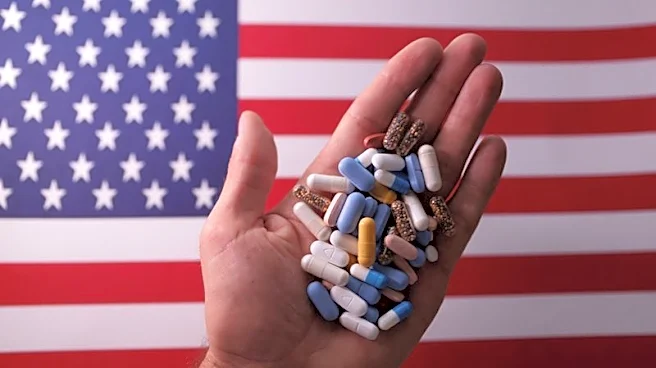
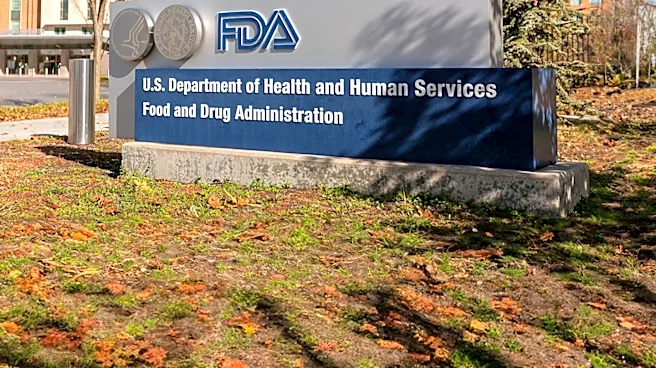
The U.S. Food and Drug Administration (FDA) has announced a temporary policy allowing specialized pharmacies to compound and supply six experimental peptides—BPC-157, epitalon, KPV, MOTS-c, Semax, and TB-500—to patients with prescriptions without facing
penalties. This decision grants enforcement discretion, not full FDA approval, meaning these peptides have not undergone the rigorous long-term human trials typically required to prove safety and effectiveness. The policy is a stopgap measure intended to gather real-world data while the agency determines their long-term status. Advocates argue this move could improve patient safety by shifting supply from unregulated gray markets to licensed pharmacies under physician supervision. However, FDA scientists and medical professionals caution that the scientific evidence supporting the efficacy and safety of these peptides is currently insufficient, and misleading claims about their nature and benefits are widespread.
Why It's Important?
This FDA policy change is significant as it creates a legal pathway for patients to access experimental peptides through compounding pharmacies, potentially impacting the healthcare landscape and supplement industry. While proponents view it as a step towards safer access and expanded healthcare options, critics highlight the substantial risks associated with unapproved substances. The move could legitimize a 'gray market' that has operated with little oversight, but it also places a burden on physicians to navigate the ethical complexities of prescribing compounds with unproven safety and efficacy. For consumers, it means increased availability of these peptides, but also a greater need for caution and informed decision-making, as insurance typically does not cover compounded peptides, making them more expensive than gray-market alternatives. This situation underscores the ongoing tension between patient demand for novel treatments and the FDA's mandate to ensure drug safety and effectiveness.
What's Next?
The temporary nature of the FDA's enforcement discretion means that the agency will continue to evaluate these six peptides, gathering data on their real-world use, reported side effects, and quality issues. This period will be crucial for the FDA to decide whether these substances should be added to the official list of compounds pharmacies can make. Stakeholders, including compounding pharmacies, physicians, and patient advocacy groups, will likely continue to lobby the FDA with their perspectives. Meanwhile, the 'gray market' for peptides is expected to persist due to lower costs, creating a dual system of access. Researchers will continue to study these compounds, with ongoing experiments aimed at understanding their mechanisms of action and potential risks. Patients considering these peptides will need to engage in thorough discussions with knowledgeable physicians about the knowns and unknowns, as definitive answers regarding safety and efficacy are still years away.
Beyond the Headlines
This development highlights a broader ethical and regulatory challenge in the U.S. healthcare system: how to manage patient demand for experimental treatments when scientific evidence is still emerging. The FDA's decision reflects a pragmatic approach to an existing market, acknowledging that people are already using these substances and attempting to bring some level of oversight. However, it also raises concerns about the potential for a 'two-tiered' system where those who can afford compounded peptides might access treatments not available to others, or treatments that lack robust scientific validation. The spread of misinformation about these peptides, often marketed as 'endogenous' or 'natural' without scientific backing, underscores the need for greater public education and critical evaluation of health claims. This situation could set a precedent for how the FDA handles other emerging, unproven substances, balancing innovation and patient access with safety and scientific rigor.