



What's Happening?
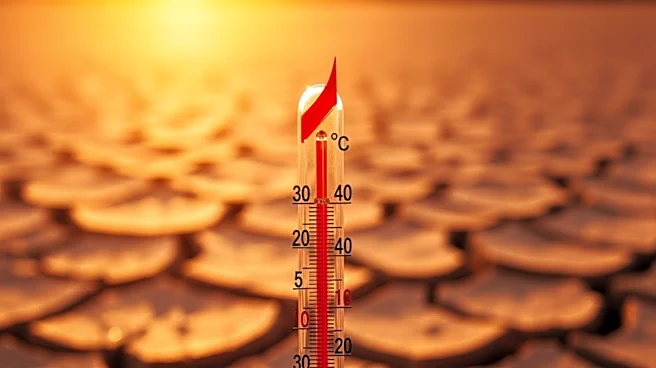
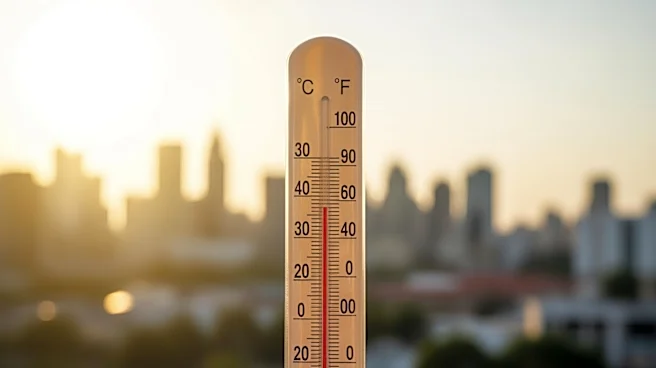
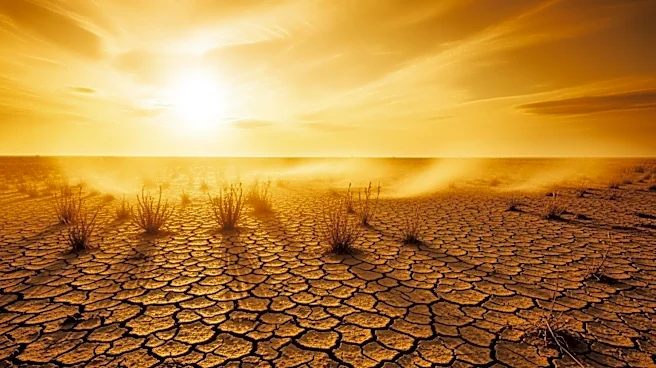
Meteorologists have reported that March was the hottest month on record for the continental United States in 132 years. This unprecedented heat is attributed to climate change, which is increasing the frequency and intensity of extreme heat events. The
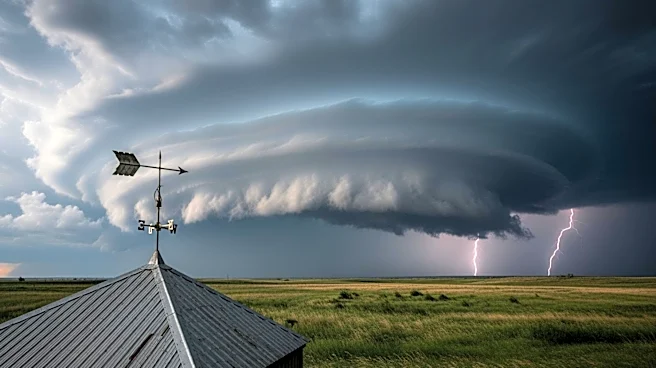
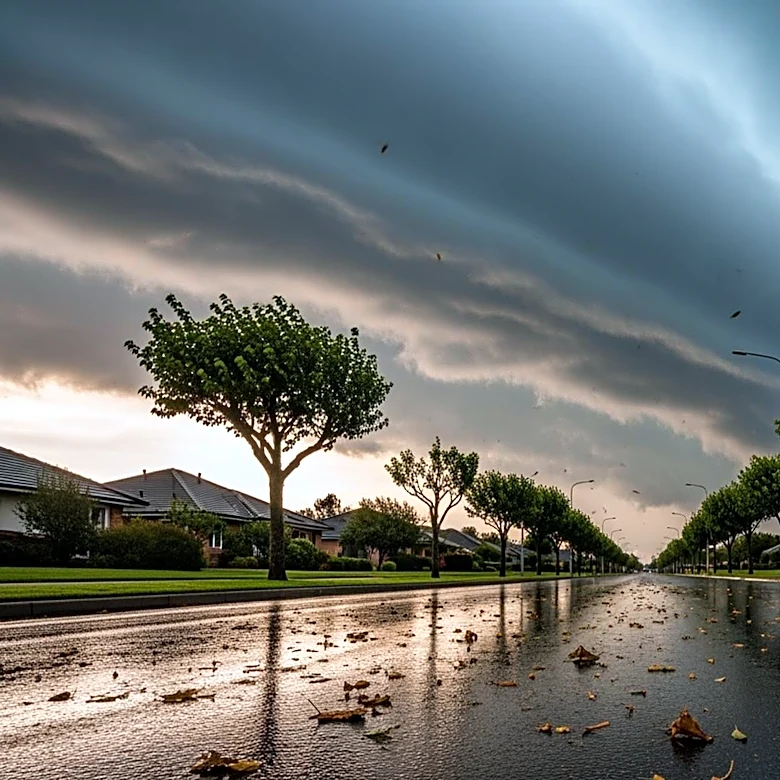
data, sourced from federal weather records, highlights a significant deviation from historical temperature norms, marking a concerning trend in climate patterns. The report comes amid a series of severe weather events across the country, including tornadoes and damaging winds affecting over 50 million people from Texas to Michigan. Additionally, Typhoon Sinlaku is impacting US islands in the Pacific Ocean, further complicating the weather situation.
Why It's Important?
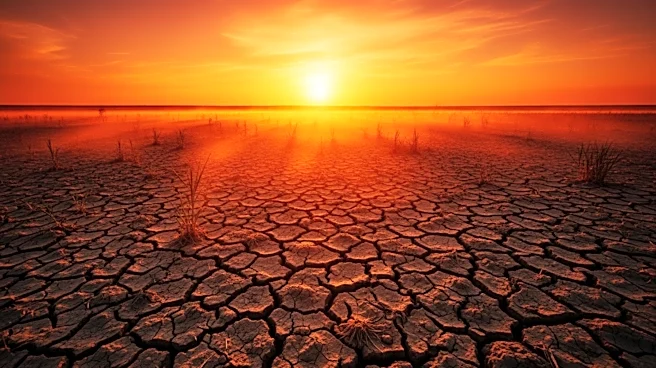
The record-breaking heat in March underscores the growing impact of climate change on weather patterns in the United States. This trend poses significant challenges for public health, agriculture, and infrastructure, as extreme heat can lead to increased energy demand, crop failures, and health risks such as heatstroke. The situation also highlights the urgent need for climate adaptation and mitigation strategies to address the escalating risks associated with global warming. The severe weather alerts affecting millions of Americans further emphasize the need for preparedness and resilience in the face of increasingly volatile weather conditions.
What's Next?
As the United States continues to experience extreme weather events, there is a pressing need for policymakers and communities to enhance their climate resilience strategies. This includes investing in infrastructure that can withstand extreme weather, developing early warning systems, and implementing policies to reduce greenhouse gas emissions. The ongoing impacts of Typhoon Sinlaku and the severe weather alerts across the country may prompt further discussions on climate policy and emergency preparedness at both the state and federal levels.
Beyond the Headlines
The record heat in March may have long-term implications for the US economy, particularly in sectors such as agriculture and energy. Farmers may face challenges in crop production due to altered growing seasons and increased water demand. The energy sector might experience higher demand for cooling, leading to potential strain on power grids. Additionally, the increased frequency of extreme weather events could influence insurance markets, as companies adjust to the heightened risk of weather-related claims.