


What's Happening?
Ceasefire negotiations between the United States and Iran have reached a deadlock, with Iran refusing to meet U.S. officials in Islamabad. Mediators, including Pakistan, Turkey, and Egypt, have been unable to facilitate dialogue, as Iran deems U.S. demands
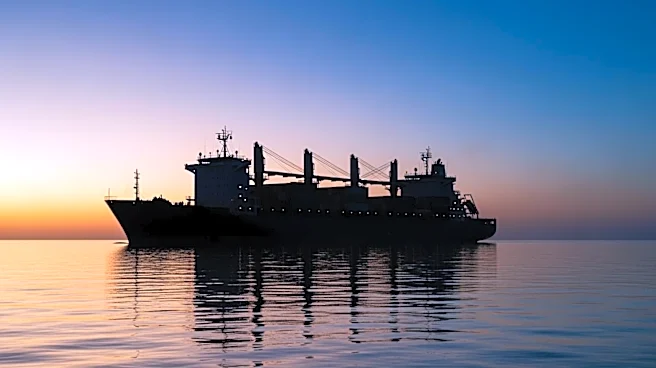
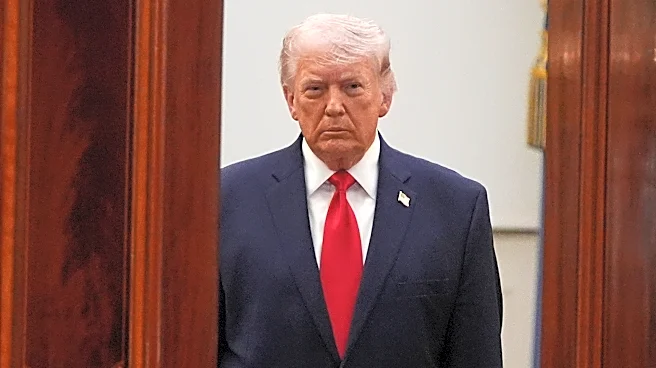
unacceptable. President Donald Trump has claimed that Iran requested a ceasefire, a statement Iran has denied. The U.S. has indicated willingness to consider a ceasefire if Iran reopens the Strait of Hormuz. However, Iran's demands for reparations and U.S. military withdrawal from the Middle East remain unmet, complicating the prospects for a resolution.
Why It's Important?
The impasse in negotiations highlights the deep-seated mistrust and conflicting interests between the U.S. and Iran. The failure to reach a ceasefire could prolong regional instability and impact global oil markets, given the strategic importance of the Strait of Hormuz. The situation also reflects broader geopolitical tensions involving regional powers like Turkey and Egypt, which are seeking to mediate. The outcome of these talks could influence U.S. foreign policy and military presence in the Middle East, with significant implications for international relations and security.
What's Next?
With the current deadlock, mediators may explore alternative venues and proposals to revive talks. The U.S. and Iran may need to reassess their positions and demands to find common ground. The involvement of additional regional actors could also play a role in facilitating dialogue. The situation requires careful monitoring, as any escalation could have far-reaching consequences for regional and global stability.