

What's Happening?
A record snow drought, coupled with unprecedented heat, is affecting much of the American West, leading to concerns about future water supplies and increased vulnerability to wildfires. According to the National Snow and Ice Data Center, snow cover and depth
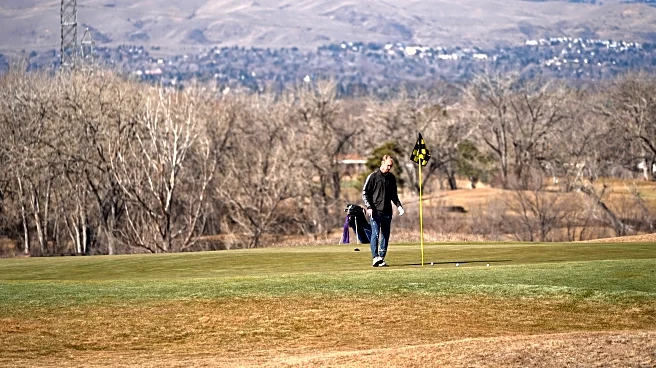
are at their lowest levels in decades, with at least 67 Western weather stations recording their warmest December through early February on record. The snowpack in Oregon is not only at a record low but is 30% lower than the previous record. This lack of snow is impacting winter tourism and recreation, as well as raising concerns about water availability for agriculture, cities, and hydropower systems. The situation is exacerbated by the fact that much of the precipitation that would typically fall as snow is instead falling as rain, which runs off more quickly. Scientists attribute these conditions to climate change, which is causing warmer temperatures and altering precipitation patterns.
Why It's Important?
The snow drought in the Western US has significant implications for water resources, agriculture, and wildfire management. A robust snowpack is crucial for providing a steady flow of water into rivers and creeks, which supports agriculture, urban water supplies, and hydropower systems. The lack of snow or a rapid melt could lead to water shortages later in the year, affecting various sectors. Additionally, the early disappearance of snow leaves the ground exposed to warmer weather, drying soils and vegetation more quickly, which could trigger an early wildfire season. This situation poses challenges for fire management and increases the risk of destructive wildfires. The economic impact is also notable, as winter tourism and recreation industries suffer from the lack of snow. Overall, the snow drought highlights the broader impacts of climate change on regional weather patterns and resource management.
What's Next?
Meteorologists predict wetter, cooler weather across the West in the coming week, which may alleviate some of the snow drought conditions. However, temperatures are expected to remain warmer than usual, and scientists are not optimistic that the snow will be sufficient to return to average levels. Efforts to mitigate the impacts of the drought may include increased water conservation measures and strategic planning for wildfire management. Stakeholders, including government agencies and local communities, will need to adapt to these changing conditions and develop strategies to manage water resources and reduce wildfire risks effectively.