

What's Happening?
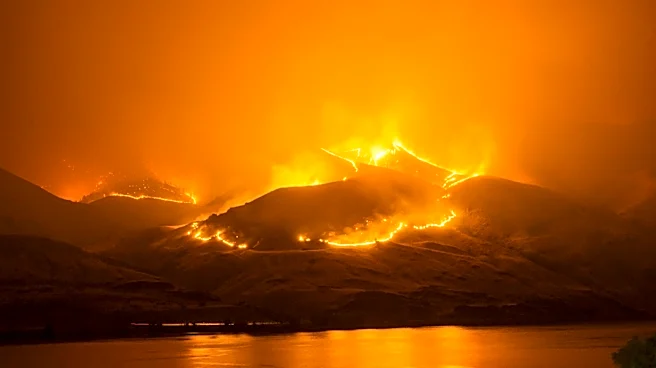
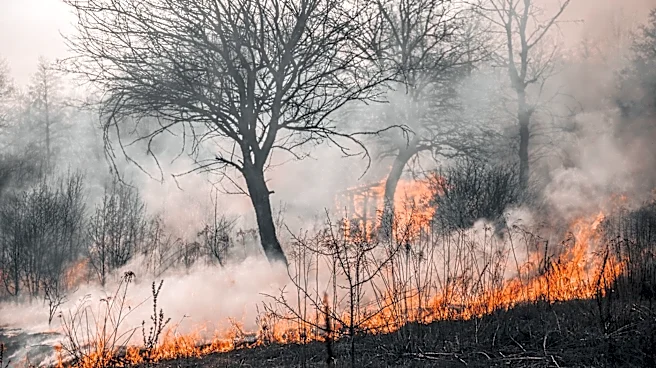
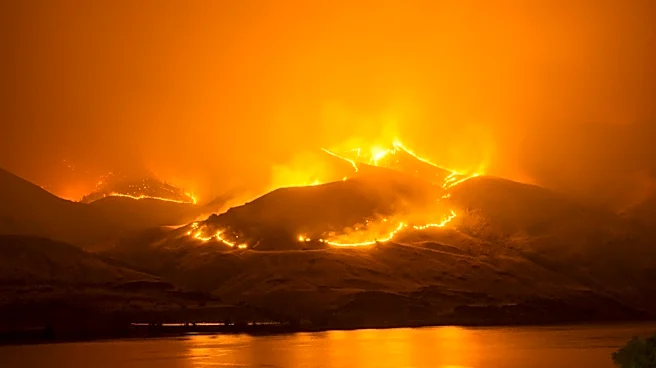
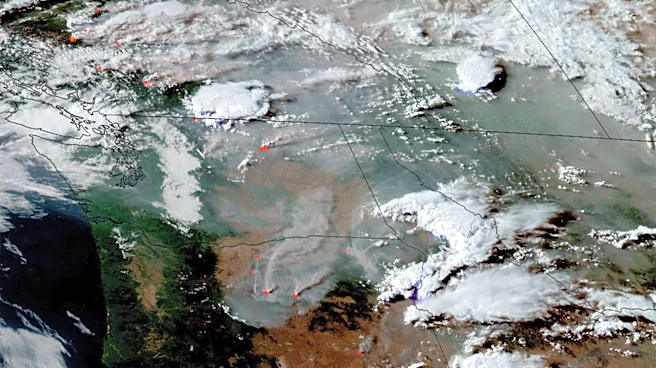
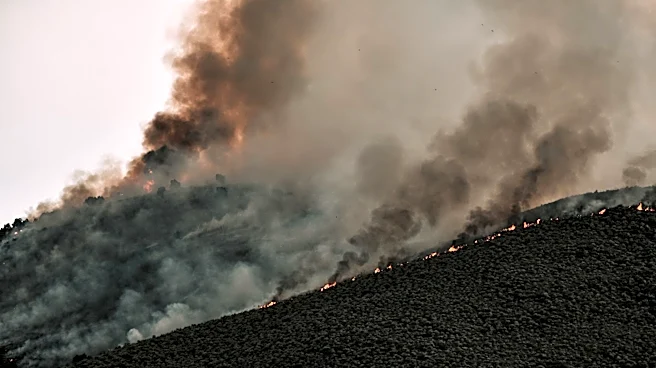
The Pacific Northwest is experiencing an unprecedented wildfire season, with over one million acres burned due to prolonged heat and dry conditions. The National Interagency Fire Center reports that more than 45 active large fires are currently burning,
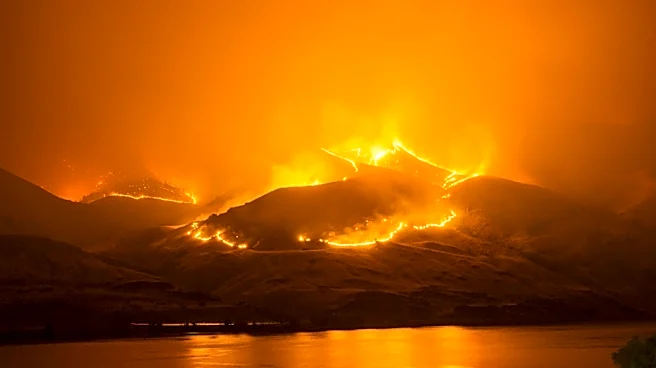
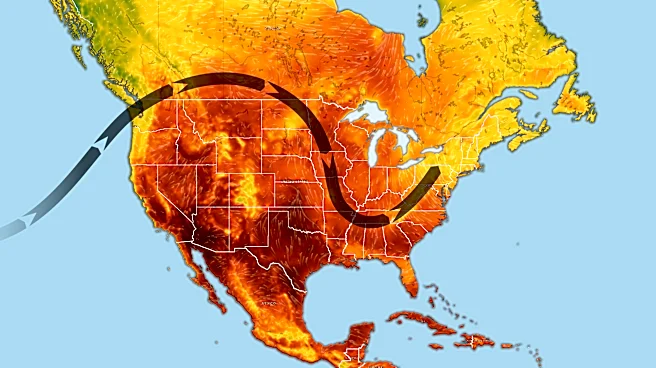
with 31 in Oregon alone. These fires, primarily ignited by lightning strikes, are spreading rapidly due to hot temperatures, dry vegetation, and gusty winds. The Big Grass Fire, the largest in the nation, has scorched over 300,000 acres across Oregon and Idaho, prompting mandatory evacuations in multiple communities. The wildfires are not only threatening rural communities and critical infrastructure but also degrading air quality across large portions of the U.S., with smoke reaching as far as North Dakota.
Why It's Important?
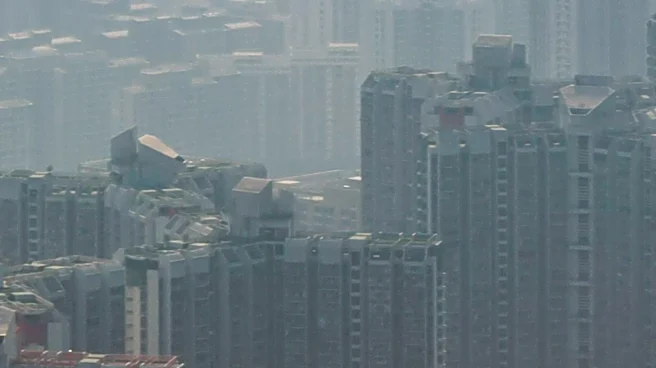
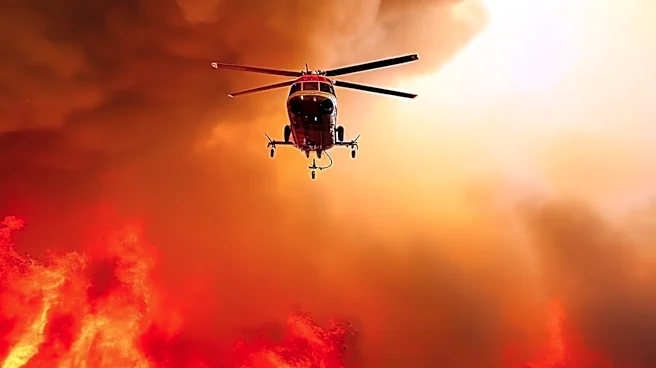
The wildfires pose significant threats to public health, safety, and the environment. The smoke from these fires is causing hazardous air quality conditions, which can lead to respiratory issues and other health problems for residents in affected areas. The fires also threaten homes, infrastructure, and natural resources, leading to potential economic losses. The strain on firefighting resources is immense, with thousands of personnel deployed to combat the blazes. The situation highlights the increasing frequency and intensity of wildfires, likely exacerbated by climate change, and underscores the need for effective fire management and mitigation strategies.
What's Next?
The wildfire threat is expected to continue as fire weather conditions remain dangerous. Fire Weather Watches have been issued for parts of Washington, Idaho, and Montana, with low humidity and high winds potentially allowing fires to spread further. The National Interagency Fire Center has raised the preparedness level to its highest, indicating a severe strain on resources. Efforts to contain the fires will continue, with support from state and federal agencies. The ongoing situation may prompt discussions on improving wildfire preparedness and response strategies, as well as addressing the underlying factors contributing to the increased fire activity.