






What's Happening?
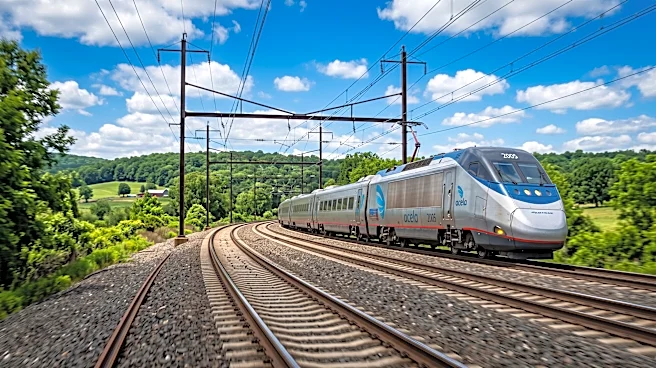
The Acela train, operated by Amtrak, serves as the fastest rail link between Boston and New York City, significantly reducing travel time compared to driving. This high-speed service operates on a dedicated corridor, connecting major financial and cultural
hubs along the Northeast Corridor, including Boston, New York, Philadelphia, Baltimore, and Washington. Acela trains incorporate Swiss engineering and American adaptations, featuring a tilting mechanism that enables higher speeds on curved tracks, ensuring a smoother ride. The service offers more luxurious amenities, such as food and beverage service and wider seats with increased legroom, distinguishing it from the more affordable Northeast Regional service. Multiple daily departures are available, with up to 10 services between Washington D.C. and Boston within a 24-hour period. The Boston to New York City route is a critical component of East Coast mobility, with Acela utilizing advanced signaling and banked curves to achieve top speeds, making it a strategic option for corridor navigation.
Why It's Important?
The Acela train's role as the fastest rail connection between Boston and New York City is crucial for business travelers, tourists, and regional connectivity. By cutting travel time to approximately three and a half hours, it offers a competitive alternative to short-haul flights and car travel, especially when considering airport security and traffic delays. The service's premium amenities and focus on efficiency cater to time-sensitive professionals, allowing for productive work during transit. This rail link supports the economic resilience of the Northeast by facilitating face-to-face collaboration between Boston's technology and education sectors and New York's finance, media, and legal industries. Furthermore, rail travel on the Acela contributes to reduced carbon emissions per passenger mile compared to driving or flying, aligning with broader state and federal goals for sustainable transportation and helping to alleviate congestion on highways and in airports.
What's Next?
Amtrak has outlined plans for future enhancements to the Acela service, including refreshing equipment, expanding frequencies, and integrating more digital tools for booking and real-time updates. These improvements aim to enhance reliability and the overall passenger experience. Newer trainsets are expected to further leverage the corridor principles that define current operations, making the Boston to New York journey more attractive to a wider audience. Continued investment in signaling, track upgrades, and station facilities will be essential to meet growing demand without compromising the service's primary advantage of swift and dependable travel between these critical Northeast cities. As regional policies increasingly prioritize lower-carbon travel, the Acela is positioned to become an even more central asset in the transportation mix.
Beyond the Headlines
The Acela's success highlights a broader shift towards sustainable and efficient intercity travel in the U.S., particularly in densely populated corridors. Its technological advancements, such as the tilting mechanism, represent a commitment to modern rail infrastructure that can compete with other modes of transport. The service's ability to foster economic ties between major urban centers underscores the enduring importance of physical connectivity in an increasingly digital world. The premium experience offered by Acela also reflects a growing demand for comfortable and productive travel environments, where the journey itself can be an extension of the workday or a relaxing leisure experience. This model could influence future investments in high-speed rail projects across other U.S. regions, demonstrating the potential for rail to play a more significant role in national transportation strategy and environmental goals.