








What's Happening?
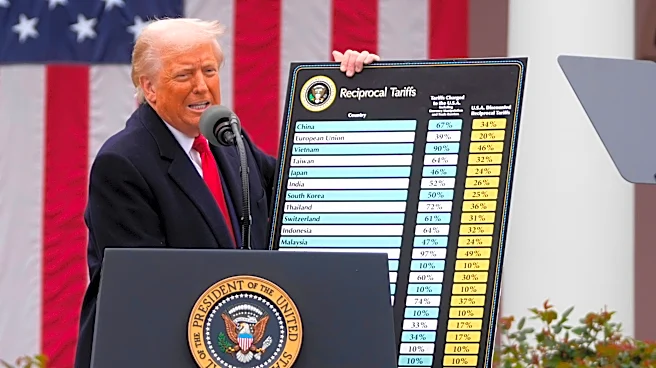
The Office of the U.S. Trade Representative (USTR) has announced a final tariff action imposing a 25% tariff on certain goods imported from Brazil. This decision follows a Section 301 investigation into Brazil's trade practices, which identified issues
such as unfair digital trade, insufficient anticorruption enforcement, and illegal deforestation. The tariffs, set to take effect on July 22, 2026, aim to address these concerns and are in addition to existing tariffs under Section 122 of the Trade Act of 1974. The USTR has adjusted the list of products subject to the tariff, exempting certain items like aluminum hydroxide and specific pharmaceuticals, while removing others from the exemption list.
Why It's Important?
The imposition of tariffs on Brazilian goods reflects ongoing trade tensions between the U.S. and Brazil, with potential implications for both economies. For U.S. businesses and consumers, the tariffs could lead to higher prices for imported goods, affecting industries reliant on Brazilian products. Conversely, the tariffs may pressure Brazil to address the identified trade issues, potentially leading to changes in its trade policies. This action also underscores the U.S. government's commitment to addressing unfair trade practices and protecting domestic industries, which could influence future trade negotiations and agreements.
What's Next?
As the tariffs take effect, both the U.S. and Brazil may engage in further negotiations to resolve the trade disputes. Brazil could seek to address the U.S.'s concerns to avoid prolonged economic impacts. Additionally, other countries may monitor the situation closely, as it could set a precedent for how the U.S. handles similar trade issues with other nations. The outcome of these negotiations could shape future trade relations and impact global trade dynamics.
Beyond the Headlines
The USTR's tariff action highlights broader issues of international trade relations and economic diplomacy. The decision to impose tariffs as a tool for addressing trade disputes raises questions about the effectiveness and consequences of such measures. It also emphasizes the importance of balancing economic interests with diplomatic relations, as trade policies can have far-reaching impacts on global economic stability and cooperation.