



What's Happening?
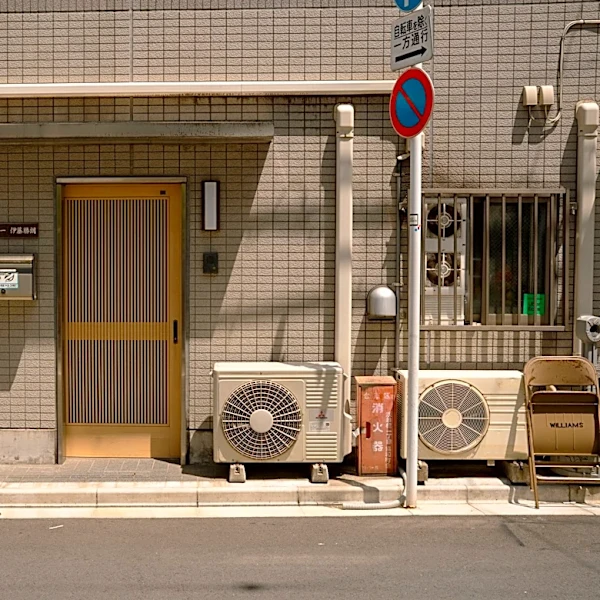
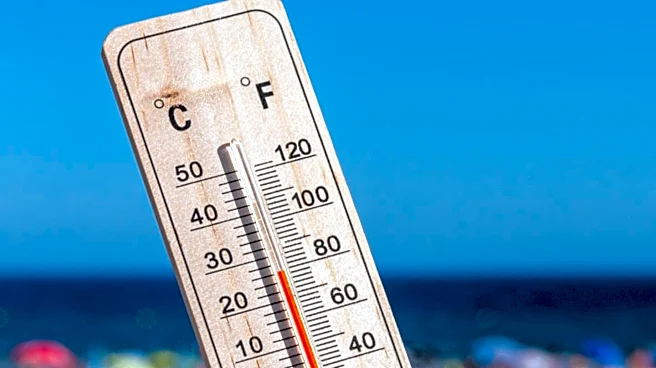
Japan is experiencing dangerously high temperatures, resulting in over 10,000 people being hospitalized for heatstroke in a single week. This figure is more than double the same period last year. The Fire and Disaster Management Agency reported that 10,857
people were transported by ambulance from July 13 to July 19. Fourteen people died, and 321 are in serious condition. The elderly are particularly affected, accounting for 62% of cases. Heatstroke alerts have been issued for 39 prefectures, with temperatures reaching 40 degrees Celsius or higher in some areas.
Why It's Important?
The surge in heatstroke cases underscores the severe impact of climate change on public health. Japan's record temperatures are part of a global trend of increasing heat waves, which pose significant risks to vulnerable populations, particularly the elderly. The situation highlights the need for effective public health strategies and infrastructure to mitigate heat-related illnesses. It also raises concerns about the long-term implications of climate change on health systems and the importance of international cooperation in addressing environmental challenges.