



What's Happening?
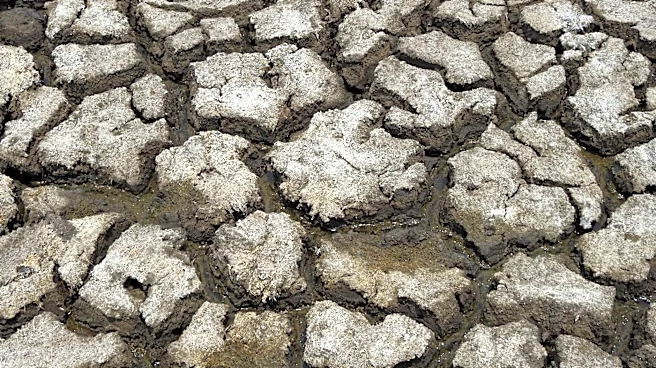
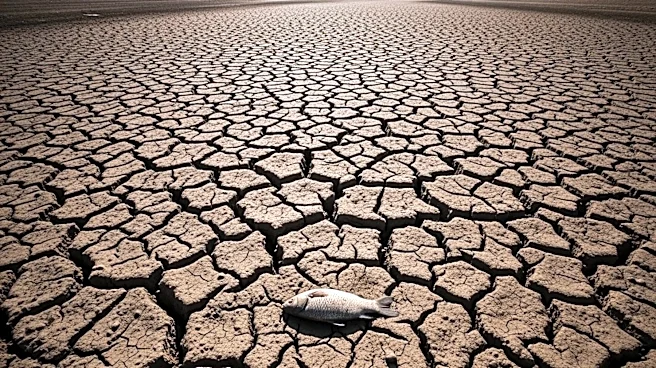
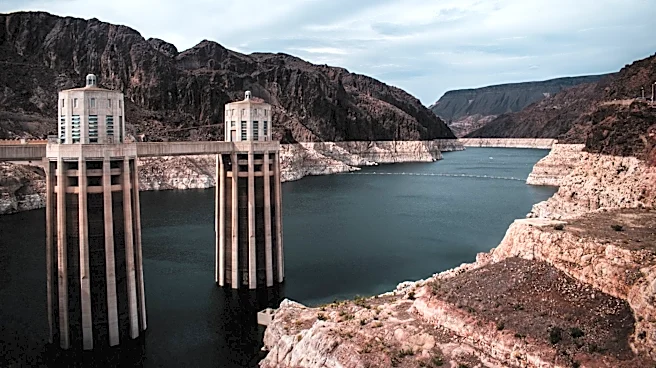
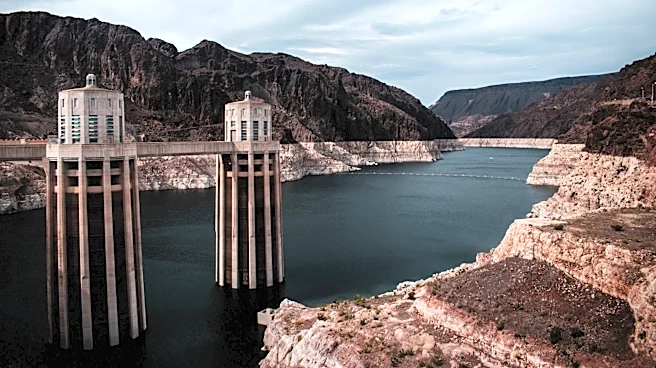
The San Carlos Reservoir in Arizona is experiencing critically low water levels due to insufficient snowfall and ongoing drought conditions. The reservoir, which is crucial for local agriculture and wildlife, has seen its water levels drop to less than
1% of capacity. This has led to a significant fish kill, prompting officials to close the reservoir indefinitely. The situation highlights the challenges posed by climate variability and the need for effective water management strategies in the region.
Why It's Important?
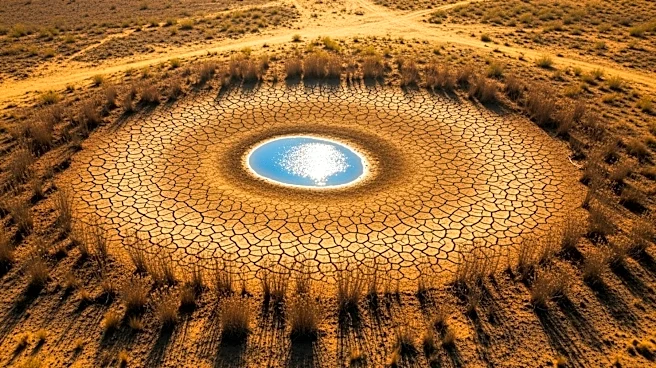
The low water levels at San Carlos Reservoir underscore the broader impacts of climate change and drought on water resources in the Southwest. The reservoir's depletion affects agricultural productivity, local ecosystems, and recreational activities, posing economic and environmental challenges. Addressing these issues requires coordinated efforts to improve water conservation and management practices. The situation also serves as a warning of the potential long-term consequences of climate change on regional water supplies.
What's Next?
Efforts to mitigate the impact of the reservoir's low water levels will likely focus on enhancing water management and conservation strategies. The upcoming monsoon season may offer some relief, with forecasts suggesting a possibility of above-average rainfall. However, long-term solutions will require addressing the root causes of water scarcity and implementing sustainable practices to ensure the resilience of water resources in the face of climate change.