





What's Happening?
El Salvador is receiving international acclaim for its transformation into a leading tourism destination in Central America, as highlighted by National Geographic. The country is actively shedding its past image of gang violence, with significant improvements
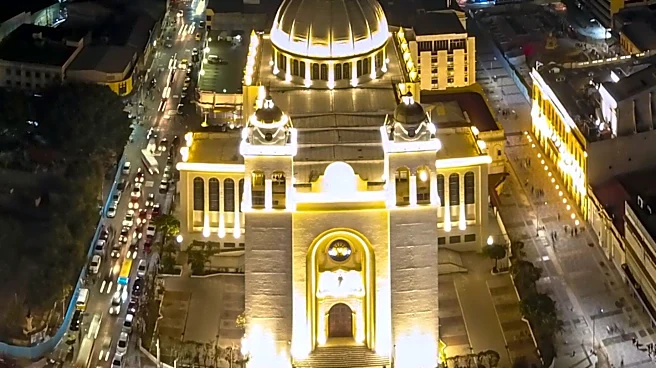
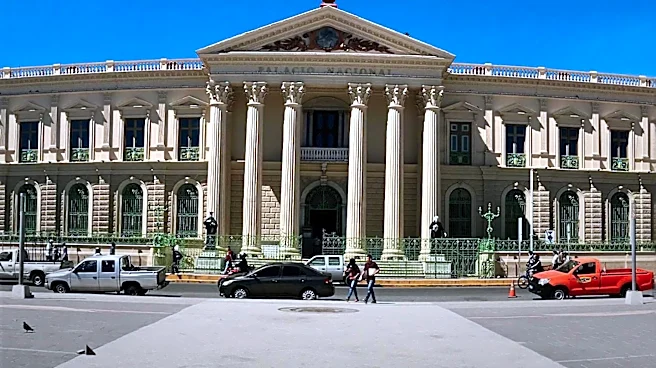
in security and urban development. San Salvador, once characterized by gang-controlled neighborhoods, now presents a more peaceful and renewed urban environment to visitors. This shift in perception is attracting thousands of international tourists who are exploring El Salvador's diverse destinations, cultural attractions, and natural landscapes. The country's 'Surf City' initiative, running along the Pacific coast through La Libertad, has also become a prominent surf destination, hosting world-class events like the Surf City El Salvador Pro and the ISA World Junior Surfing Championship. These developments are contributing to the expansion of El Salvador's tourism sector and its growing reputation on the global stage.
Why It's Important?
This recognition by National Geographic signifies a crucial turning point for El Salvador, impacting its economic development and international relations. The enhanced perception as a safe and attractive tourist destination can lead to increased foreign investment, job creation in the hospitality and service sectors, and a boost to local economies. For U.S. travelers, this offers a new, accessible Central American option for vacations, potentially diverting tourism from other regions. The success of initiatives like 'Surf City' demonstrates the potential for niche tourism markets to drive economic growth. Furthermore, a more stable and prosperous El Salvador could contribute to regional stability, potentially reducing migration pressures and fostering stronger diplomatic ties with the U.S. The shift from a narrative of violence to one of tourism and development is vital for the country's long-term progress and its standing in the international community.
What's Next?
El Salvador is expected to continue its efforts to consolidate its position in the regional tourism market. This will likely involve further investment in infrastructure, promotion of its cultural and natural attractions, and continued focus on maintaining security. The country may also seek to host more international events, particularly in sports tourism, to further boost its profile. The increased tourist influx could lead to the development of new hotels, restaurants, and tour operators, creating more economic opportunities. International travel advisories may be updated to reflect the improved security situation, encouraging more U.S. citizens to visit. The long-term success will depend on sustained government policies that support tourism, community engagement, and environmental protection to ensure the industry's sustainability.
Beyond the Headlines
The transformation of El Salvador extends beyond mere tourism figures; it represents a profound societal shift. The reduction in gang violence and the subsequent urban regeneration efforts suggest a reassertion of state control and a renewed sense of civic pride. This could have deeper implications for governance, rule of law, and social cohesion within the country. The focus on tourism as an economic driver also highlights a strategic pivot away from traditional industries, potentially leading to a more diversified and resilient economy. Ethically, the challenge will be to ensure that the benefits of tourism are distributed equitably and that local communities are not displaced or marginalized by development. Culturally, the influx of international visitors could lead to both the preservation and commercialization of local traditions, requiring careful management to maintain authenticity.